



🎣 Halibut fishing: how specialised trophy charters work in Norway
Halibut in Norway is not just a fish, but a dream and a challenge for every angler. It is a powerful, intelligent and unpredictable opponent that attracts anglers from all over the world. Specialised halibut charters offer a unique format for hunting this giant and guarantee plenty of adrenaline.
Here is everything you need to know to ensure that your first halibut is not a fluke, but the result of a well-planned expedition.
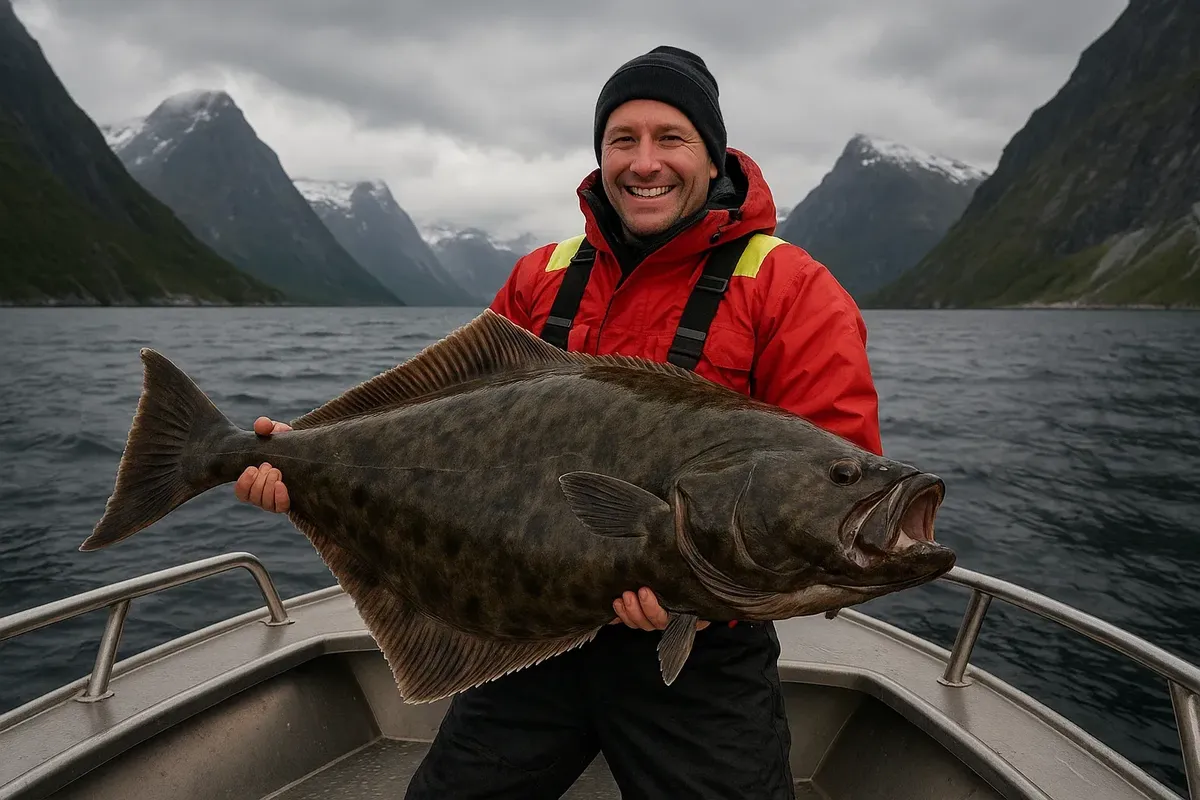
📍 Where to fish for halibut in Norway?
The most famous and successful locations:
- Lofoten Islands (Ballistad, Henningsver, Svolvær areas)
- Peak season: May–September
- Features: this is where halibut weighing 50–100 kg are regularly caught.
- Senja Island and Tromsø
- Peak season: June–August
- Special features: record-breaking halibut weighing up to 150 kg, deep bays and excellent fishing conditions.
- Vesterålen
- Peak season: June–September
- Special features: strong tidal currents, lots of large halibut, experienced captains required.
🚤 What is a trophy halibut charter?
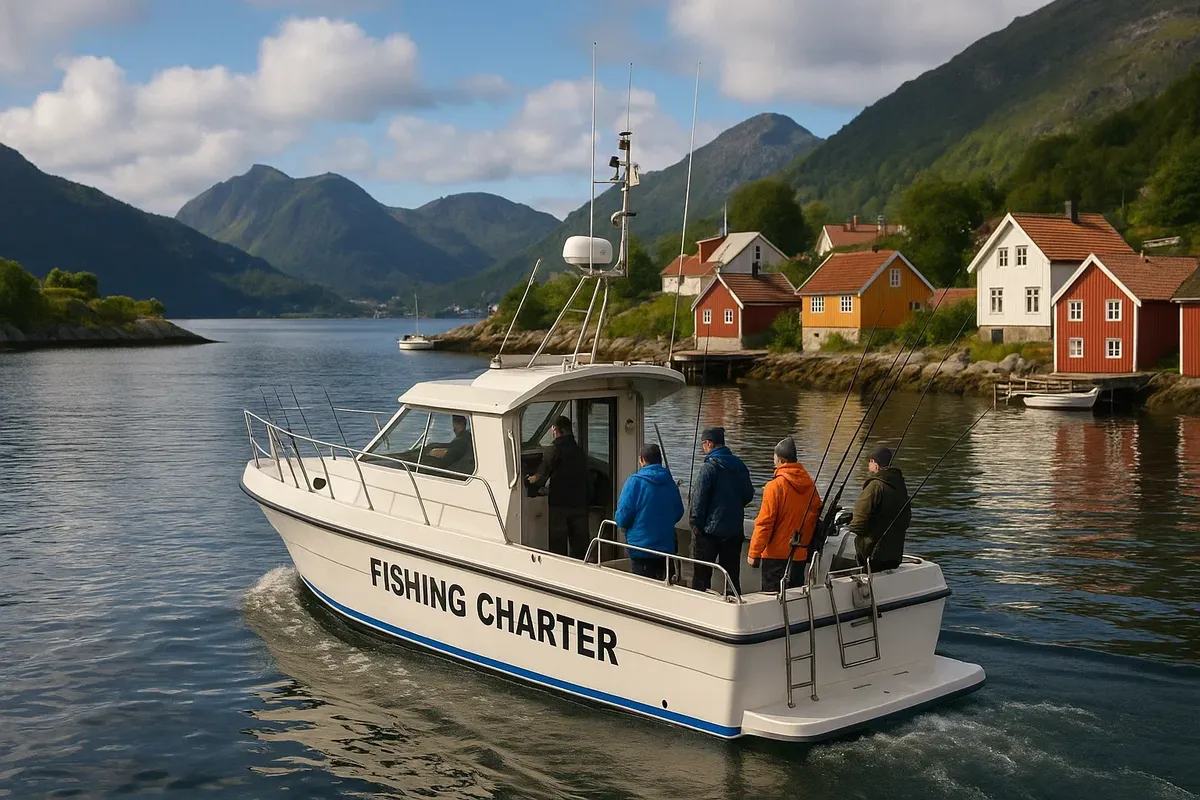
This is a specialised fishing trip with experienced guides and crew, focused on catching large halibut. Charters are usually organised as follows:
Duration:
- 8–10 hours (one-day trips)
- 2–3 days with overnight stay on board for the most serious trophy hunters
Boat types:
- Boats ranging from 8 to 12 metres in length with powerful engines, echo sounders and GPS navigation.
- Spacious decks with sturdy rod holders for jigging.
Crew and guides:
- Experienced captains who know the area and the specifics of halibut fishing.
- Russian-speaking guides are often available.
🐟 Minimum size and catch limits:
- In Norway, only halibut 80 cm and above may be caught.
- Smaller fish must be released back into the sea.
- Each person can take up to 18 kg of fish fillets plus one large trophy halibut.
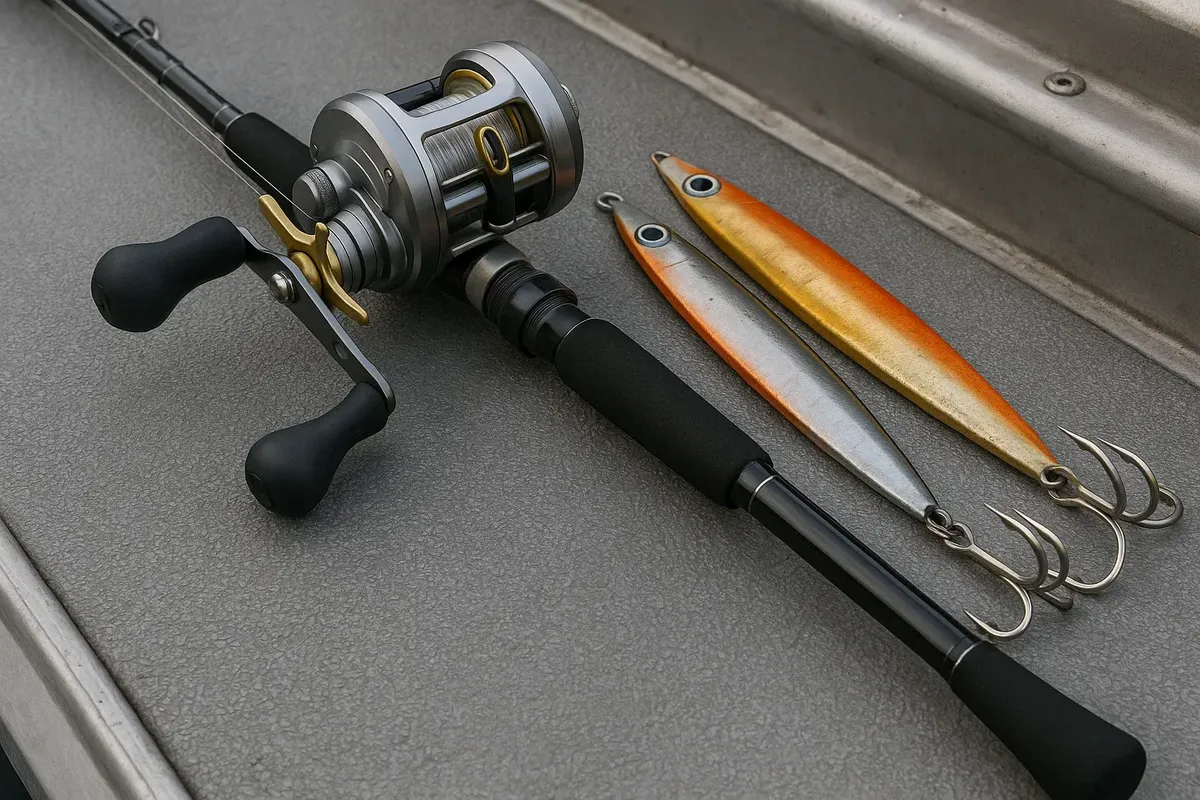
🎯 Fishing technique: jigging for halibut
How does it work?
- The main method is vertical jigging using heavy jigs (200 to 500 g).
- Halibut lie on the bottom and attack the bait sharply, so jigging should be rhythmic and confident.
Tackle and rigging:
- Powerful spinning rod (test 100–500 g, length 2.1–2.4 m).
- Braided line with a diameter of 0.30–0.40 mm.
- Strong leader and sharp large hook (usually single or assist hook).
Fighting tactics:
- After hooking, halibut often makes strong downward jerks, so patience and skilful use of the reel drag are important.
- It can take anywhere from 30 minutes to 1.5 hours to land a large fish (50+ kg).
🏋️♂️ Physical preparation:
Fishing for halibut requires good physical condition:
- Be prepared for serious strain on your back, arms and shoulders.
- Regular training (e.g. swimming, strength exercises) will help you withstand the intense struggle with large fish.
📅 How to book a trophy charter?
- Plan your trip in advance (4–6 months before the season).
- The best months (June–August) are booked up very quickly.
- Check immediately if Russian-speaking guides are available, if necessary.
- A deposit (20–30%) is payable upon booking, with the balance payable on arrival.
- Prices usually start at €600–1000 for a charter for a group of 3–4 people (one-day trip).
📋 What to bring on a halibut charter:
- Warm and waterproof clothing (membrane suit, gloves, hat).
- Sturdy waterproof boots.
- Sunglasses and sunscreen.
- Personal fishing tackle (if you are not renting).
- Light snacks and drinks on board (usually provided by the organiser).
- A good camera or action camera to capture your trophy.
🎣 5 key tips for halibut fishing in Norway:
- Take your time: Halibut are cautious fish. Work the bait patiently.
- Listen to the captain: A good guide knows the depth and features of the terrain.
- Check the tide forecast: The best time to fish for halibut is during the tidal currents.
- Have your tackle ready to fight: Large halibut attack sharply and powerfully.
- Don't skimp on equipment: Poor-quality tackle will result in large fish getting away.
Trophy halibut charters are a special kind of fishing adventure. If you want to experience what it's like to battle a sea giant, choose your location, boat and crew wisely. Good preparation and a professional approach will ensure you have a fishing trip you'll remember for a lifetime!

2 comments
Log in to leave a comment