


☕️ The best coffee roasters in Norway
Norway is rightfully considered one of Europe’s key specialty coffee countries. It is here that a distinctive approach to coffee has emerged — thoughtful, conscious and, in many ways, philosophical. The best coffee roasters Norway are not just about flavour or trendy beans, but about origin, roasting as a craft and the pursuit of expressing coffee’s character as purely as possible. It is no coincidence that the Norwegian roasting school has had a noticeable influence on the global coffee scene.
The role of roasters in Norway is difficult to overestimate. They shape what eventually becomes the most popular coffee in Norway, set taste benchmarks and define how Norwegian coffee is perceived beyond the country’s borders. Importantly, strong coffee roasters are not concentrated only in Oslo — across the country, roasters operate with their own philosophy, local identity and recognisable style. This ranking naturally complements our selection of the best coffee shops in Oslo and fits into Norway’s national food rankings, showing how coffee has become an essential part of the country’s cultural and gastronomic identity.
☕️ Oslo: the heart of Norwegian coffee roasting
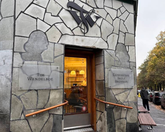
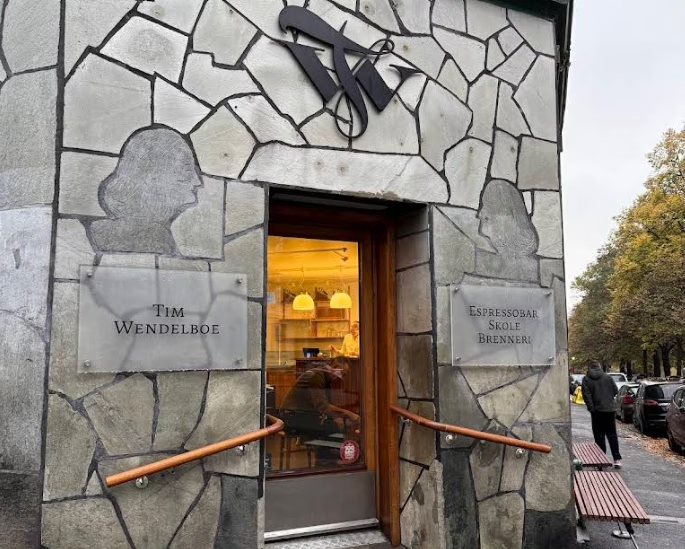
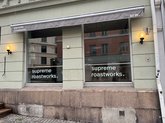
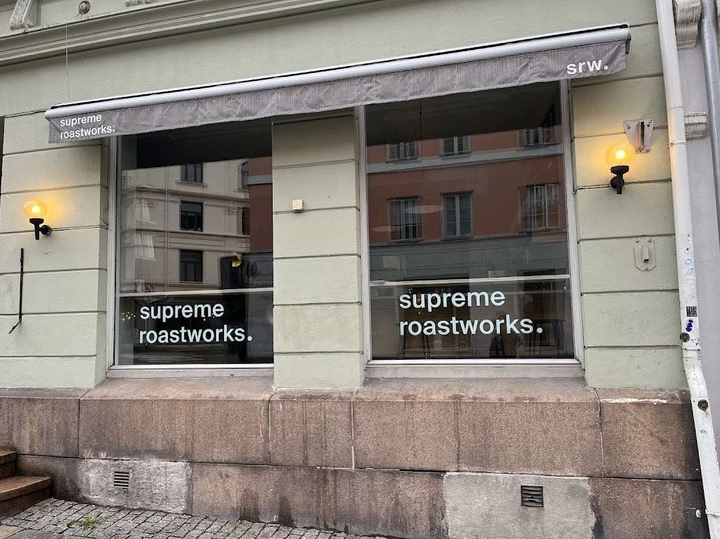
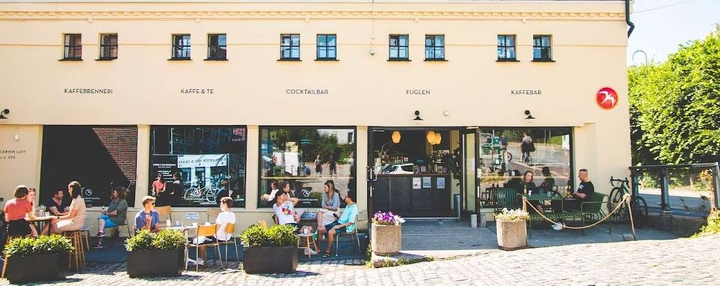
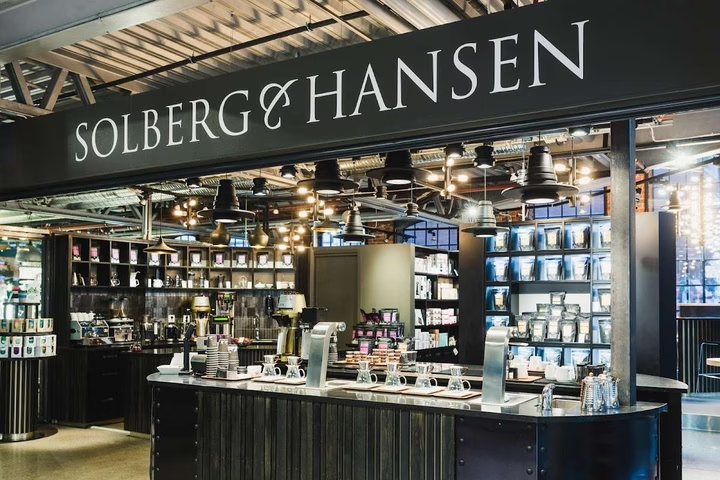
Oslo is the centre of Norway’s coffee roasting scene and the place where many of the country’s most influential roasters began shaping their philosophy. The city is closely associated with light roast profiles, transparency in sourcing and a strong educational approach to coffee. This is where discussions about quality, origin and technique often start — and later spread across the country.
☕️ Oslo and national leaders


☕️ The west coast: Bergen and regional coffee roasters
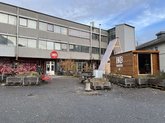
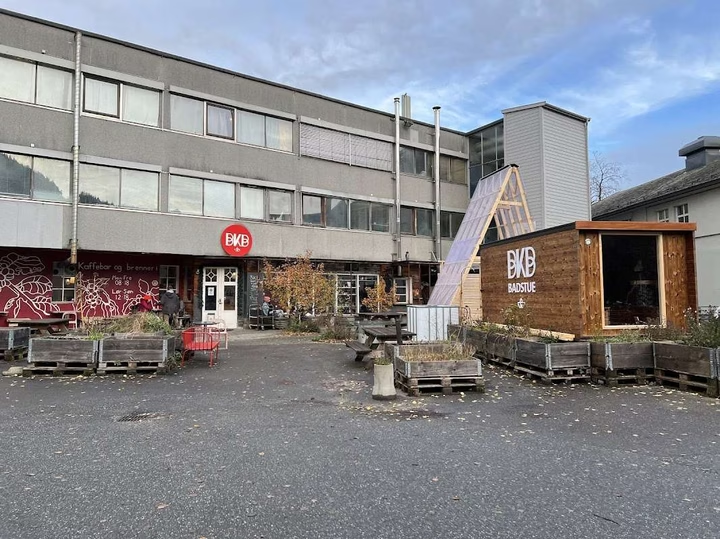
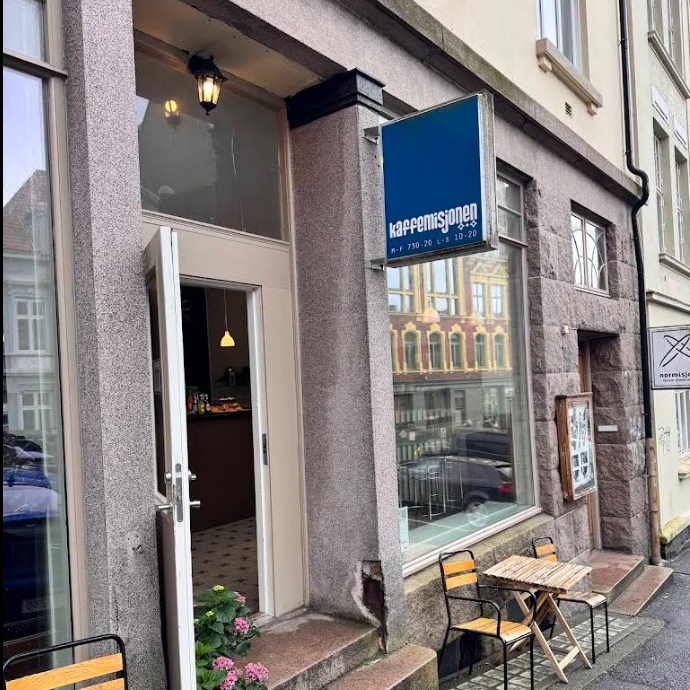
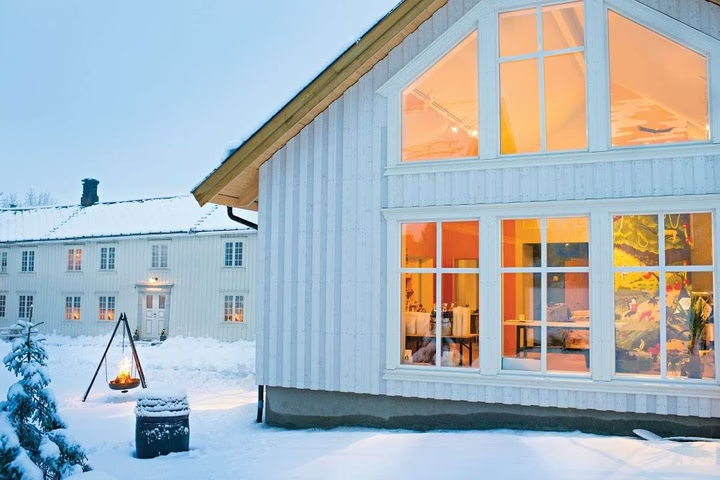
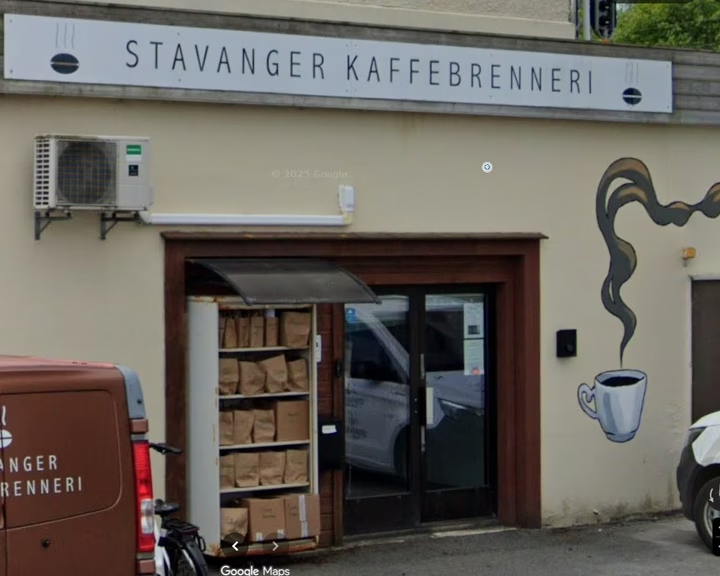
The development of coffee roasting in Norway is strongly shaped by the regions, and the west coast plays a key role in this process. Bergen has formed its own distinct coffee scene, where roasting is closely tied to local communities, small batch production and a strong sense of place. Here, coffee often reflects regional identity rather than national trends.
☕️ Bergen and the Western Regions
Daniel, Netherlands
I was surprised to discover how many strong coffee roasters exist across Norway, not just in Oslo. Each region has its own approach and character, which makes Norwegian coffee culture far more diverse than I expected. This ranking helped me see the country’s coffee scene as a whole.
☕️ The north and local roasting traditions
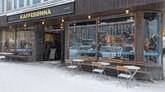
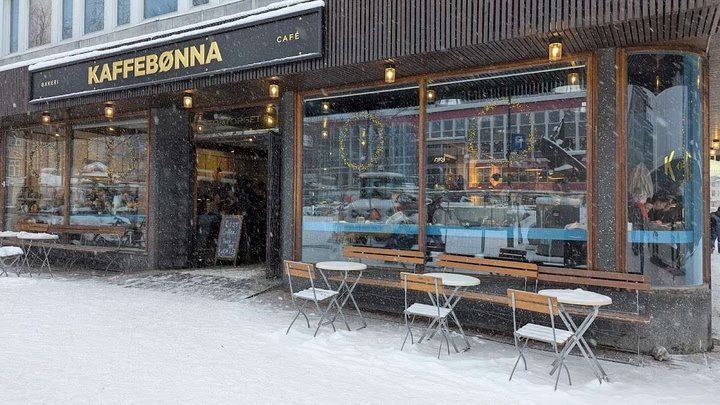
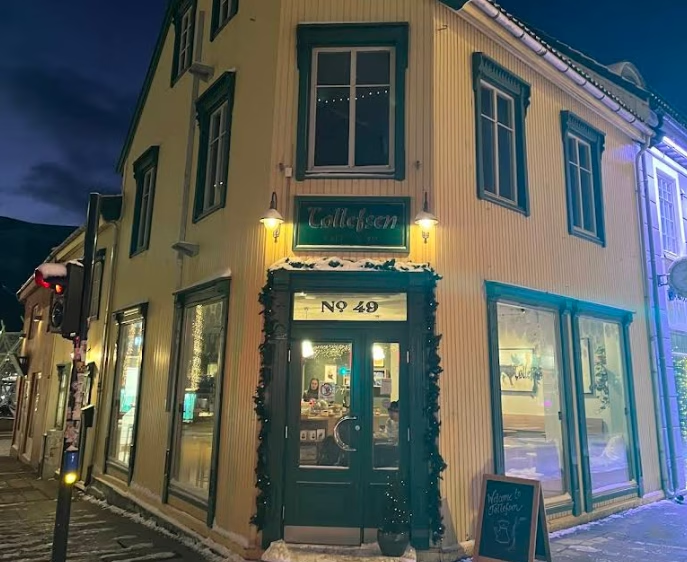
Coffee roasting in Norway is not limited to the south or major cities — it is actively developing even in the northern regions. Here, roasting is often carried out by small-scale producers who work closely with local cafés and communities. The result is a more intimate coffee culture, shaped by climate, daily life and regional identity.
☕️ North and local roasters
Aiko, Japan
This ranking helped me understand why Norwegian coffee is considered among the best in the world. It’s not just about light roasting, but about consistency, philosophy, and respect for origin. Seeing how many different regions contribute to this culture really changed my perception of Norwegian coffee.
☕️ How to use this ranking
This ranking reflects the editorial perspective of the catalogue rather than a numerical “best-of” list. Coffee roasters are grouped by regions and roasting schools, highlighting differences in philosophy, flavour profiles and technical approaches.
Norwegian coffee culture is not uniform — styles, roast levels and sourcing strategies vary widely from one roaster to another. The list is regularly updated as the scene evolves and new roasters gain recognition.
❓ FAQ — Popular questions about Norwegian coffee roasters
💡 Norwegian roasters are known for their focus on origin, light roasting and clarity of flavour. Many helped shape the global specialty coffee movement.
💡 Light roasting allows the natural characteristics of the beans to stand out, such as acidity, sweetness and terroir.
💡 Yes. Norway consistently ranks high in international coffee competitions and is widely respected in the specialty coffee community.
💡 No. Strong roasters can be found across the country — from Bergen to Tromsø and smaller regional cities.
💡 Many do. Direct trade and long-term relationships with producers are common practices.
💡 Light to medium-light roasted filter coffee is the most widespread, though espresso culture is also growing.
💡 Yes. Most roasters sell beans in their cafés, online shops, or directly at their roastery.
💡 Prices are higher than average, but reflect quality, sourcing ethics and local production costs.
💡 Yes, though single-origin coffees remain very popular.
💡 Absolutely. Many cafés and roasters are happy to explain flavour profiles and brewing methods to newcomers.
This ranking reflects the editorial perspective of the catalogue and is based on research, experience and reader interest. We invite you to join the discussion — if you know a coffee roaster in Norway worth recommending, or want to share your experience, leave a comment below.

0 comments
Log in to leave a comment