



🥘 The best restaurants with traditional Norwegian cuisine
Norwegian cuisine is more than a collection of dishes — it is an essential part of the country’s cultural identity. Shaped by climate, nature and everyday life, it is built on simple ingredients, respect for raw products and recipes refined over generations. Traditional Norwegian cuisine brings together history, regional character and food traditions that remain very much alive today.
This ranking is created for those looking for authentic Norwegian food, rather than tourist-oriented adaptations of national dishes. Here you will find restaurants where classic Norwegian dishes are served in their natural context — whether in the capital, along the coast or in northern regions. Traditional Norwegian cuisine reveals itself differently across the country, and this diversity is what makes it especially interesting. For a broader overview of Norway’s gastronomy, we also recommend exploring our national restaurant ranking, and — if relevant — combining it with our seafood-focused guide.
🍽️ Classic Norwegian cuisine and historic restaurants in Oslo
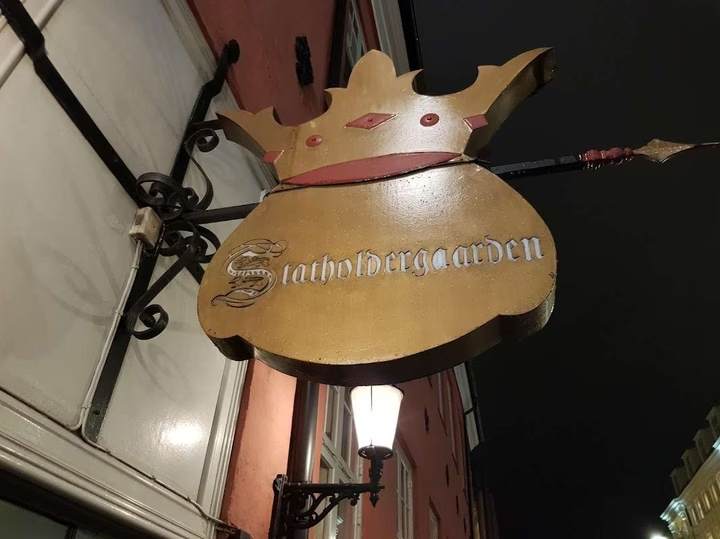
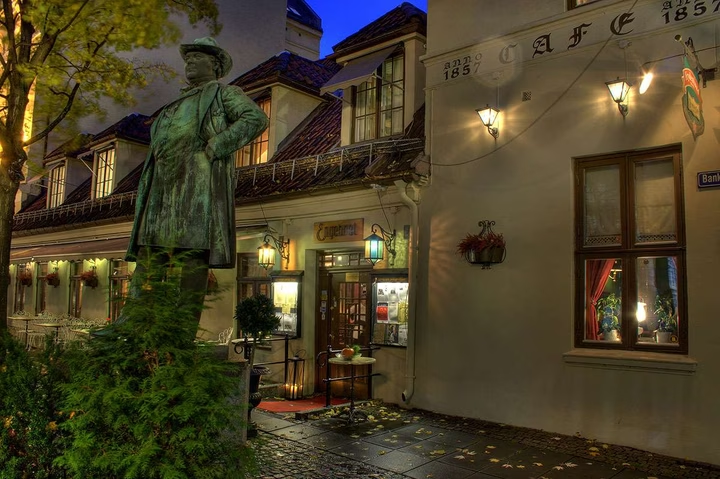
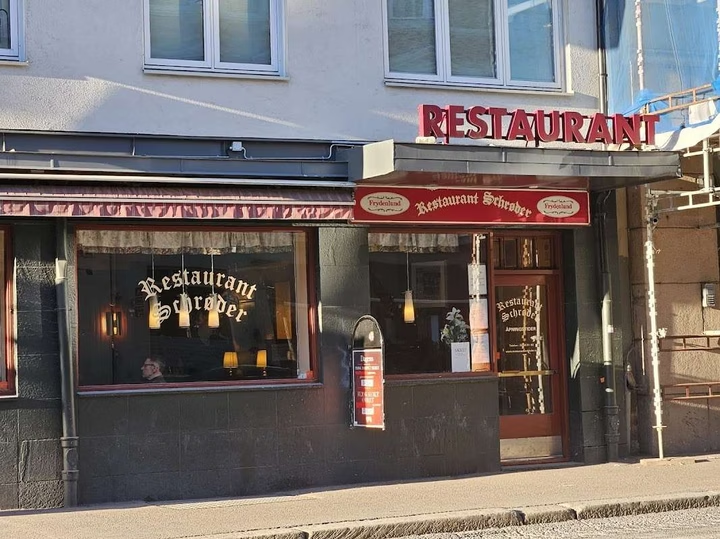
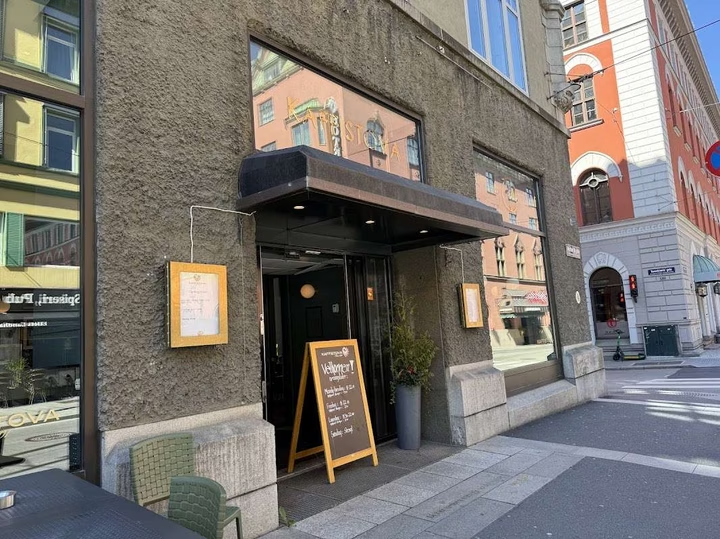
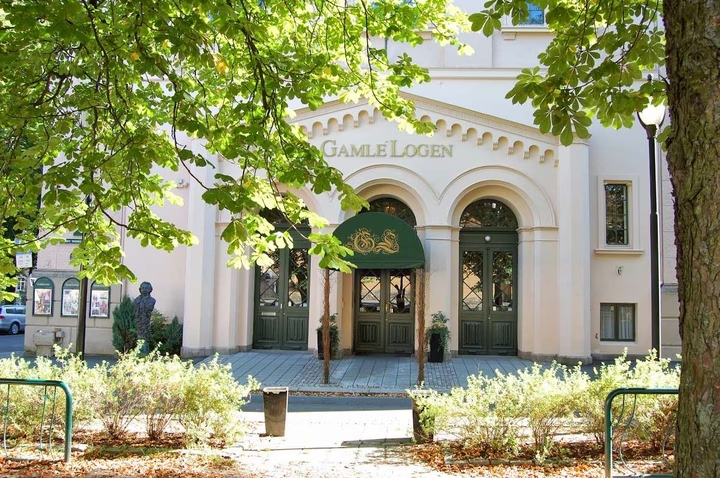
Oslo plays a key role in preserving Norway’s gastronomic traditions. It is here that historic restaurants, traditional interiors and recipes “as they were” shape the understanding of what good Norwegian food means in its most classic form. These places are not focused on experimentation — their value lies in continuity, respect for ingredients and an atmosphere that reflects the spirit of another era.
🍽️ Historic and Classic Restaurants in Oslo





🌊 Traditions by the sea and along the coast
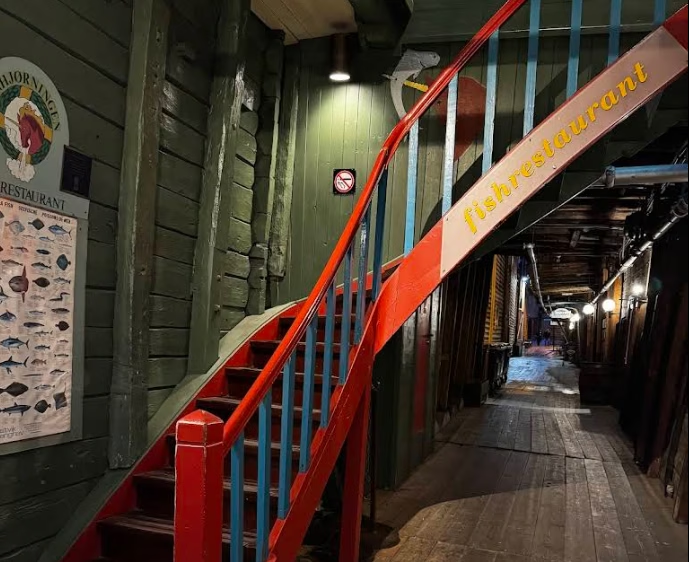
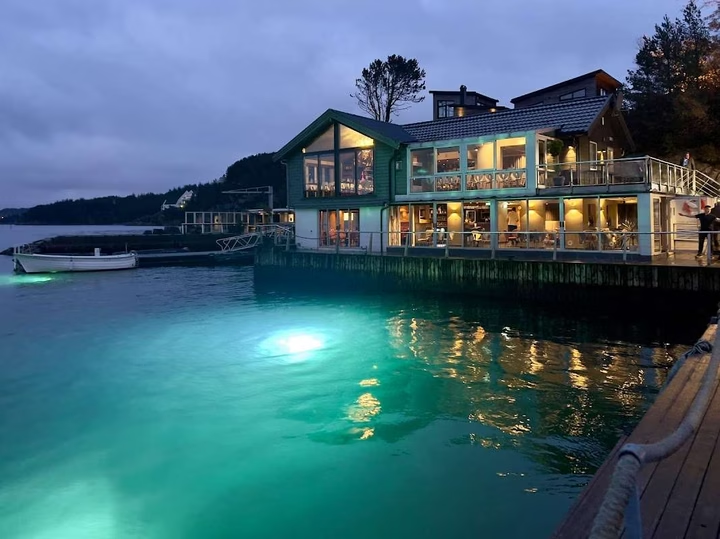
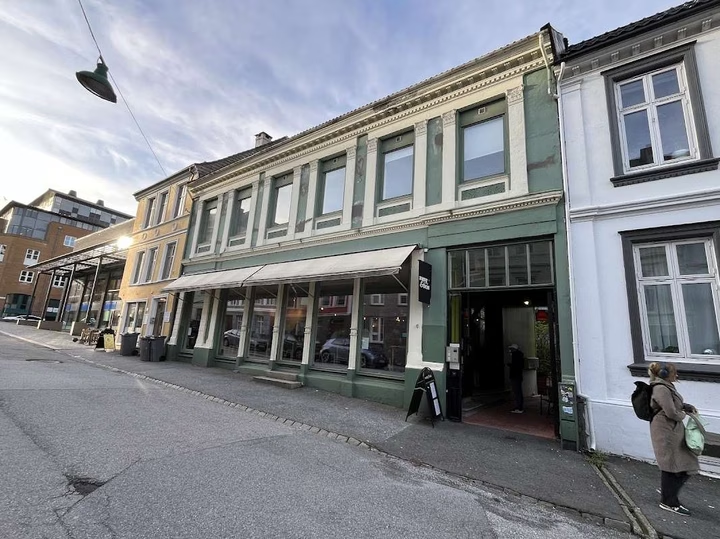
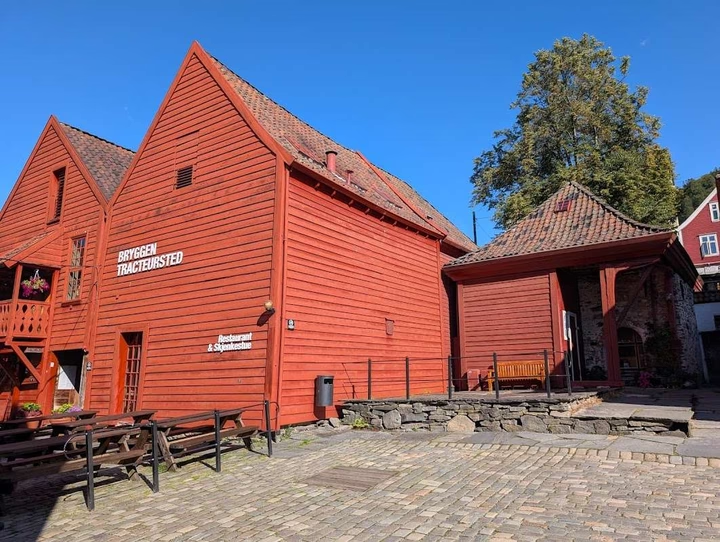
Along Norway’s coastline, traditional cuisine is deeply connected to the sea. Fish, seasonality and coastal dining formats form the foundation of what is known as Norwegian traditional dishes — simple in composition, yet rich in flavour, where freshness and origin are essential. Here, traditions are not fixed; they evolve with the catch, the seasons and everyday life by the water.
🌊 Coastline, Bergen and waterside traditions




Anna, Netherlands
This ranking helped me realise that traditional Norwegian cuisine isn’t limited to Oslo. Exploring coastal towns and regional restaurants gave a much deeper understanding of classic Norwegian dishes and local food culture. It completely changed how we planned our food-focused route through Norway.
🏔️ Regional Norwegian cuisine and local traditions
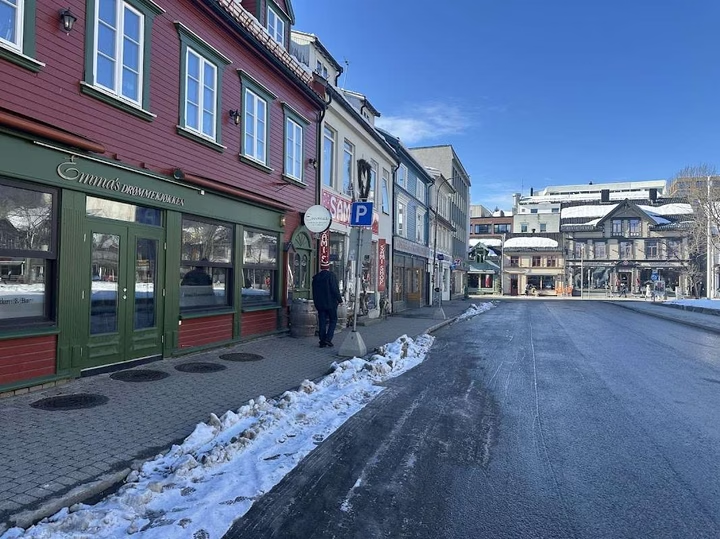
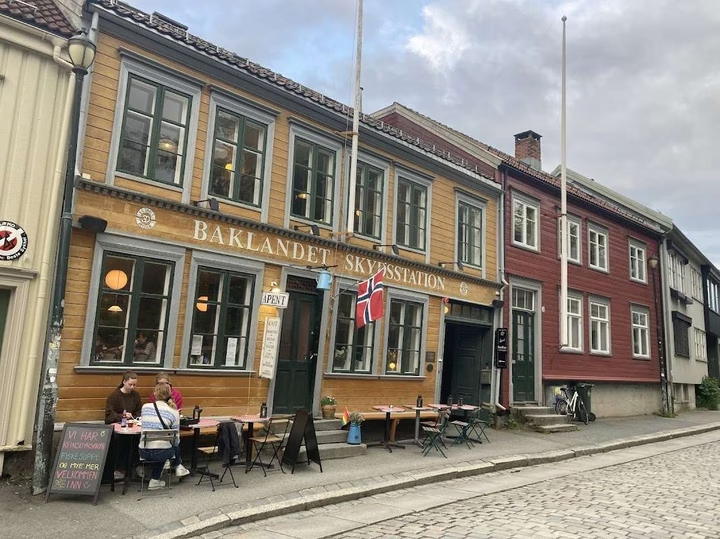
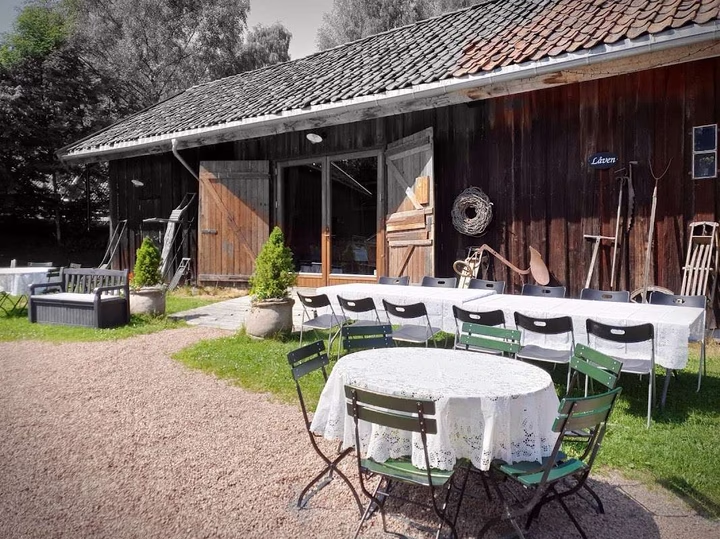
Authentic traditional Norwegian cuisine is often felt most strongly outside the major cities — in northern regions, small towns and historic inns where food remains part of everyday life. Here, the idea of good Norwegian food is defined not by presentation or trends, but by simplicity, nourishment and respect for the environment people live in. Climate, available ingredients and daily routines directly shape what is cooked and how it is served.
🏔️ Regions, North and National Symbols



Kenji, Japan
This ranking showed us that traditional Norwegian cuisine is best experienced outside the main cities. We travelled to smaller towns and northern regions specifically for local food, and those meals became the highlight of our trip. It was clear that some dishes are truly worth the journey, not just a stop along the way.
👉 How to use this ranking
This ranking reflects the editorial perspective on traditional Norwegian cuisine and is structured around regions, dining formats and historical context. Restaurants are not ordered by position, but grouped by where and how traditional Norwegian food is best experienced — in the capital, along the coast or in regional settings.
Traditional cuisine in Norway is a living and evolving tradition. Recipes adapt to seasons, climate and modern life while maintaining a strong connection to the past. For this reason, the list is updated regularly as new places appear and established restaurants continue to develop. Use this ranking as a guide for discovering Norwegian food culture thoughtfully, rather than as a fixed checklist.
❓ Frequently Asked Questions about Traditional Norwegian Cuisine
💬 Traditional Norwegian food is based on local ingredients, seasonality and simple preparation. It often includes fish, meat, potatoes, dairy products and dishes shaped by climate and regional traditions rather than complex techniques.
💬 Authentic Norwegian food is most commonly found in historic restaurants, regional inns and smaller towns, where recipes are closely tied to local culture rather than tourist expectations.
💬 No. Norwegian cuisine varies significantly by region. Coastal areas focus more on fish and seafood, while inland and northern regions rely more on meat, preserved foods and hearty dishes adapted to colder climates.
💬 Prices can be high, especially in historic or well-known restaurants, but many traditional eateries offer simpler, affordable meals that reflect everyday Norwegian food culture.
💬 A traditional Norwegian dinner is usually simple, filling and seasonal. Portions are generous, flavours are clean, and the focus is on quality ingredients rather than elaborate presentation.
💬 Yes. Traditional dishes are still part of everyday life in Norway, especially in regions and smaller towns, although modern variations are common in cities.
💬 Some are popular with visitors, but many traditional restaurants are frequented by locals, especially those with long histories or strong regional identities.
💬 Oslo offers historic restaurants and national symbols, but many travellers find that traditional Norwegian cuisine feels more authentic in regional towns and rural areas.
💬 Reservations are recommended for well-known historic restaurants, particularly in Oslo and Bergen, while smaller regional places may be more flexible.
💬 Norwegian cuisine places a stronger emphasis on seafood, preservation methods and regional variation, shaped by geography and climate more than by shared Nordic trends.
Editorial note
This ranking is curated according to the editorial perspective of our catalogue and reflects how we see traditional Norwegian cuisine across different regions and formats.
If you disagree with the selection, know restaurants that deserve to be included, or want to share your own experience — join the discussion in the comments.

0 comments
Log in to leave a comment