



What should you bring home from Lofoten, and how do you choose Sámi crafts?
Share
Save
In brief: Lofoten souvenirs can include local ceramics, wool products, art prints or Sámi work with an identifiable maker. Buying on the islands does not establish Sámi origin. Look for a maker's name and verifiable marking: Sámi Duodji concerns traditional crafts, while Sámi Made covers a wider product range. Confirm a particular item's availability in advance.
Checked 25 October 2026. Sámi Duodji; Sámi Made; Visit Lofoten.
A guide to choosing. Checked 25 October 2026.
| Topic | What to check | Source |
|---|---|---|
| Local product | A connection to Lofoten and Sámi authorship are separate questions. | Source, 25.10.2026 |
| Duodji | Traditional Sámi crafts and art. | Source, 25.10.2026 |
| Sámi Duodji | A mark for traditional duodji made by Sámi makers. | Source, 25.10.2026 |
| Sámi Made | A broader range of Sámi-made or Sámi-designed products. | Source, 25.10.2026 |
| Administration | Saami Council administers the marks on behalf of the Sámi people. | Source, 25.10.2026 |
| Register | Search by name, company or licence number. | Source, 25.10.2026 |
| Local choices | Textiles, ceramics, glass, jewellery and artwork. | Source, 25.10.2026 |

What makes a good gift from Lofoten?
Choose an object with a clear story: who made it, where and from what? Visit Lofoten describes local wool, crafts and art. A gift can be connected to the islands without being Sámi.
The local art scene includes ceramics, textiles, glass, jewellery and artwork. A print or suitably sized textile can suit small luggage; plan protective packing for fragile pieces. These are options, not confirmed stock at a particular shop.
Tip: Decide what connection you want the gift to have with the trip. For an island memento, ask about a local maker. To support a Sámi maker, check Sámi authorship specifically. See our Norway souvenirs guide for more ideas.
What does duodji mean, and why does the maker matter?
Duodji means traditional Sámi crafts and art, including the creative process and its result. It is not a generic term for any northern pattern. The mark administrator relates the tradition to material, form, technique and purpose.
Ask the seller who made the item and where to find the maker's information. A Norwegian label, reindeer motif or shop location does not replace the answer. Sametinget explains Sámi Duodji as a guide to genuine duodji made by a Sámi maker.
Do not ask a person to prove identity through appearance. Discuss the product's origin, maker and claimed certification. Our Sámi culture guide provides context.

How do Sámi Duodji and Sámi Made differ?
Sámi Duodji is for Sámi-made duodji meeting traditional criteria for materials, forms, techniques and use. Sámi Made covers a broader range, including contemporary design.
Important: Sámi Made does not automatically mean traditional handcraft. It can cover physical and digital products, including production commissioned by a Sámi design owner. For duodji specifically, choose the relevant category rather than any familiar logo. Sámi Made, checked 25 October 2026.
The marks belong to the Sámi people and are administered through Saami Council. They help buyers distinguish Sámi products from borrowed styling. Absence of a mark does not by itself prove a fake, but an unconfirmed origin should not be treated as established.
Where should you look for Lofoten souvenirs?
Start with local art and craft venues, then check their current selection. Visit Lofoten's local products and gallery listings do not establish that every venue stocks certified duodji.
In Svolvær, begin with the gift and souvenir shop directory. For an event, our Lofoten craft festivals guide is a starting point; confirm the date and participants separately. Do not assume a regular market in a particular village.
Ask about the maker's products first, then opening hours and visiting arrangements. For a Sámi product, finding the maker in the official register and asking how to buy may be more useful than visiting a random souvenir shop.

How do you check an item before buying?
Steps
- Ask for the maker's or producer's name.
- Find them in the official Sámi Trademarks register.
- Select the filter for the relevant mark.
- Match the name or licence number to the label.
- Ask which particular item the mark applies to.
The register supports searches by name, company and licence number. Checked 25 October 2026.
Common mistake: Confusing the place of sale with the place of manufacture. «Bought in Lofoten», «made in Lofoten» and «made by a Sámi maker» mean different things. Ask for an explanation of each claimed origin and keep the label with your receipt.
Example: A shelf holds a mug with an island view and a signed item marked Sámi Duodji. The mug may work as a trip memento; the marked item needs a match between maker and mark. Price or an impressive display alone does not establish cultural origin.
How do you choose and pack a gift?
Before paying, ask about material, size, care and packaging. A maker's card helps the recipient understand the gift's connection to the trip. Do not invent a symbol's meaning: ask how the maker explains it.
Checklist: Maker's name saved, origin understood, claimed marking checked, price known, care noted and packaging suitable. Check carriage and import rules for the specific material and destination. General travel tips do not automatically cover food, animal materials or knives on your itinerary.
If travelling south, compare our Bergen and Oslo souvenir ideas. Buy where convenient while retaining origin information. A product need not be sold in Lofoten to be Sámi.
Frequently asked questions
No. Place of purchase does not establish maker or tradition. Check local connection and Sámi origin separately. Visit Lofoten, checked 25 October 2026.
It is a certification mark for genuine duodji made by a Sámi maker and meeting traditional craft criteria. Sámi Trademarks, checked 25 October 2026.
Not necessarily. It covers a wider product and design range, rather than replacing traditional duodji. Sámi Made, checked 25 October 2026.
Search the name, company or licence number and compare the mark category with the item. Official register, checked 25 October 2026.
Local textiles, ceramics, glass or an art print with a named maker. Confirm availability at the chosen venue. Visit Lofoten, checked 25 October 2026.
No. But without enough maker information, the claimed origin is not verified either. Saami Council, checked 25 October 2026.
Confirm the event and participants first. A regional souvenir guide does not establish a permanent market or duodji in stock. Visit Lofoten, checked 25 October 2026.
The maker's name, material, manufacturing location and meaning of claimed marking. Keep the label and maker information. Sámi Trademarks, checked 25 October 2026.
Share
Save

Read also

When are summer and winter sales in Norway?
Find out when summer sales, January sales and Black Friday happen in Norway, how to check the previous price and what return rules mean for shoppers.

Expensive? Yes. But smarter: why prices are high in Norway and how to save money
We analyse the reasons for high prices in Norway and give you some life hacks: where and how to shop so you don't overpay. Tax Free, sales, outlets, planning.
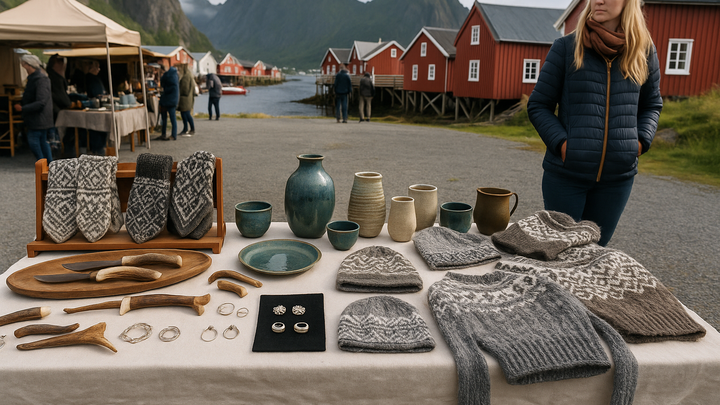
Lofoten by hand: craft festivals and how to choose the best souvenir
Where and when to find craft festivals in Lofoten, which cultural fairs to visit and how to choose the best souvenirs. Tips and shopping checklist.
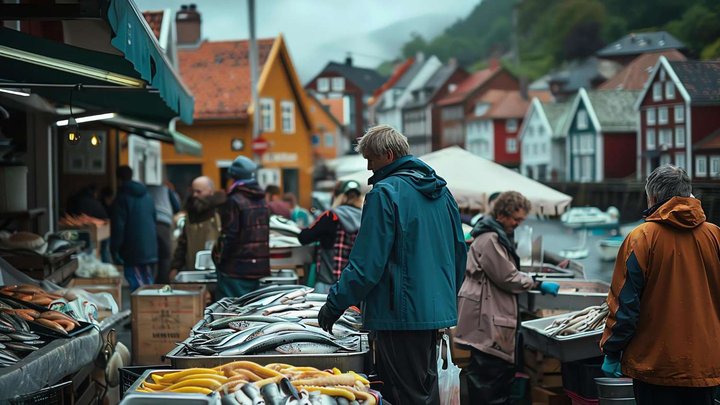
The taste of the sea in Norway: Bergen fish market and farmers' markets
A guide to Bergen's fish market and Norway's farmers' markets: where to find them, what to try and buy, and useful tips for tourists.

When are Norway's Christmas markets in 2026?
Check Christmas markets in Oslo, Bergen, Trondheim, Røros and Bygdøy for 2026: dates, admission, holiday hours, gifts and programme details before visiting.
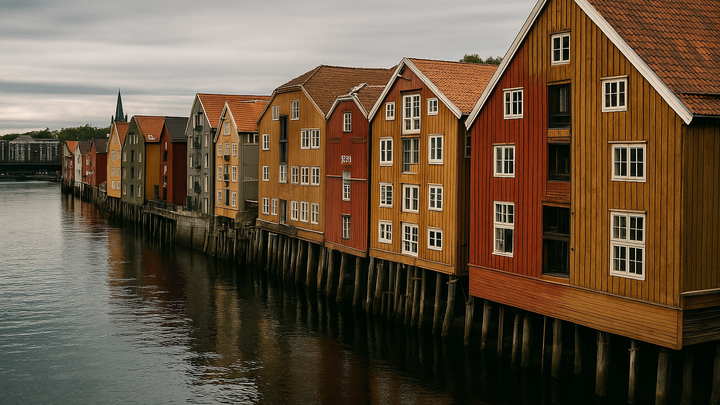
The west coast: Stavanger, Ålesund and Trondheim — what to buy and where
Find out where to buy local brands, souvenirs and stylish accessories in Stavanger, Alesund and Trondheim.
1 comment
Log in to leave a comment