


Coffee shops in Oslo: 12 places for espresso, filter and hand brew
Share
Save
This page lists coffee shops in Oslo: in the city centre, in Grünerløkka and in the residential neighbourhoods around. It helps you choose where to have an espresso or a filter coffee, on the go or at a slower pace: every place has an address and a short description, and photos and more details open in the card.
Grünerløkka and Vulkan: the coffee quarter for an unhurried walk


City centre and Bjørvika: on your way between Karl Johans gate and the Opera House


Neighbourhoods around the centre: the coffee shop round the corner


Coffee shops in Oslo on the map: city centre, Grünerløkka and the neighbourhoods
The map shows only the places on this page. Tap a point to open the card with the address and description.
Which group suits you
This page is useful if you want coffee on the way to the train, plan to spend an hour or two in a coffee quarter, or are looking for a coffee shop near where you are staying.
| If you need | What to look at | Which group fits | What to check |
|---|---|---|---|
| Coffee on the way: to the train, a museum or along the main street | Distance from Karl Johans gate and early opening on weekdays | City centre and Bjørvika | The place's own opening hours for the day of your visit |
| An hour or two among several coffee shops | Several places within walking distance of each other | Grünerløkka and Vulkan | Weekends: many open later than on weekdays |
| Coffee near where you are staying, without a trip to the centre | The district in the address on the card | Neighbourhoods around the centre | Short days: many close early in the afternoon |
| Beans to take home | The words «brenneri», «forretning» or «butikk» in the description | Any group, most often Grünerløkka and Vulkan | Whether beans are on sale that day: ask at the counter |
| Coffee in the evening | Places that stay open into the evening | City centre and Bjørvika, Grünerløkka and Vulkan | Whether the place turns into a bar in the evening |
| Coffee on a Sunday | The place's Sunday hours | Any group | Later opening and earlier closing than on weekdays |
How to choose a coffee shop: three situations
- Decide first what you need: a cup on the way, an hour in a coffee quarter, or beans to take home.
- Light roast and filter coffee are the norm here. If you prefer dark Italian espresso, read the description in the card.
- The groups are split by area: check the address in the card, not just the name.
- To see production and buy beans straight from a roastery, use the list of coffee roasters at the bottom of the page. Here you drink the coffee on the spot.
The coffee shops are grouped by area, because few people cross the whole city for one cup: you choose what is on your way or nearby. The group «City centre and Bjørvika» is for those walking along Karl Johans gate, heading for the train or the Opera House. «Grünerløkka and Vulkan» is for those who have an hour and want to compare two or three places in the same quarter: the coffee shops there are within walking distance of each other. «Neighbourhoods around the centre» is for those who live or rent in Frogner, Majorstuen, St. Hanshaugen or near Galgeberg and want a coffee shop close to home.
Coffee in the city is usually lightly roasted. VisitOSLO says in its coffee guide (updated 24 September 2026) that the local roast is lighter than in most other places, and that you should not count on decaf in the craft coffee shops. If you like a dense, dark espresso, read the description in the card and the menu on the place's website. Filter coffee and hand brew are common, but the beans change from week to week.
If your aim is to buy beans rather than drink a cup, the list of coffee roasters is a better fit. This page also includes places with their own roastery, but the focus here is coffee on the spot. All coffee shops in the city, including those not listed here, are in the catalogue category Coffee shops and espresso bars. Transport and districts are described on the Oslo page.
What to check before you go
- Opening hours: many coffee shops close early in the afternoon on weekdays and open later at weekends. Check the hours with the place before you set off.
- Mondays and public holidays: some places stay closed. Look at the place's own pages on the day.
- Seating, sockets and a toilet are not promised in the cards: a takeaway counter is not a place to work on a laptop.
- Decaf, hand brew and plant milk are not always available: ask the barista.
- Sundays: cafés are allowed to open, but the day is shorter.
Coffee shops in the city keep shorter hours than many visitors expect. Several of the places on this page close in the afternoon on weekdays, and at weekends most open later. Early opening is most common in the centre, where people drop in on the way to work. So plan your coffee for the first half of the day, and check the opening hours with the place itself before you go.
On Sundays cafés and coffee shops are allowed to open: the public holidays act exempts places that serve food and drink from the duty to close, unlike ordinary shops. There is more on this in the article on Sunday opening. But a right is not a duty: Sunday hours are shorter than on weekdays, and on public holidays a place may be closed all day.
A small coffee shop or a takeaway counter does not promise a table, a socket or a toilet. The cards say nothing about this, and the page does not guarantee it. If you need to work for an hour on a laptop, pick a place with several photos of the room in the card, and ask on the spot whether it is fine. Plant milk is usually available, but that does not mean the drink is free from traces of nuts or lactose: if you have an allergy, ask the barista about each drink.
Coffee the Norwegian way: what to know about local habits
- Norway is second in the world in coffee consumption per person, after Finland (Norsk Kaffeinformasjon, 21 May 2026).
- 69 per cent of adults drink coffee every day, 4.3 cups on average (Kaffeundersøkelsen 2026, Ipsos for Norsk Kaffeinformasjon).
- 72 per cent drink their coffee black: ask for milk or syrup, they are not added by default.
- At home two in three brew with a filter machine, so people go to a coffee shop for espresso and hand brew.
- Later in the evening some coffee shops in the centre and in Grünerløkka turn into bars: alcohol is sold from the age of 18, drinks above 22 per cent from 20.
People here drink a lot of coffee, and mostly without milk. In the Ipsos survey for the industry body Norsk Kaffeinformasjon (1,203 interviews, February and March 2026, published 21 May 2026), 69 per cent of adult Norwegians say they drink coffee daily, 4.3 cups a day on average, and 72 per cent drink it black. Two in three households own a filter machine, so filter coffee is everyday fare at home. That explains why coffee shops offer so much filter and hand brew, and why the barista will hand you black coffee unless you say otherwise.
The light roast the city is known for rests on baristas and roasters who have won world championships, VisitOSLO writes (24 September 2026). In the cup that means acidity and berry notes rather than bitterness. If the taste is unfamiliar, start with a cappuccino or a flat white rather than black filter coffee.
In the evening some of the coffee shops in the centre and in Grünerløkka change format and run as bars serving alcohol. Coffee is not always served after the switch: ask on the spot. Alcohol is sold from the age of 18, and drinks stronger than 22 per cent from 20. Bring ID.
Questions and answers
In the group «City centre and Bjørvika»: the places are on Karl Johans gate, close to it or on the waterfront by the Opera House. Coffee shops in the centre tend to open early, but not all stay open into the evening: check the hours with the place.
«Koselig» means cosy: a small room with soft light where people stay for a long time. On this page such places are mostly in the groups «Grünerløkka and Vulkan» and «Neighbourhoods around the centre». Look at the photos of the room in the card: the page does not guarantee a seat.
Light roast, filter coffee and espresso made with beans from local roasters. Decaf is rare in the craft coffee shops, as VisitOSLO also warns (24 September 2026).
It depends on the place: the cards say nothing about sockets and tables, so the page does not promise them. Takeaway counters are not suited to work. In larger rooms people often sit for an hour or two, but ask the staff about the rules.
Yes, most are open on Sundays, but later and for fewer hours than on weekdays. Early in the morning it is mostly the places in the centre that are open on weekdays. The law does not require cafés to close on Sundays, but check public holidays separately.
Usually pastries rather than a full lunch: buns, croissants and sometimes sandwiches. What a place offers is in the description in the card. For lunch, see the catalogue category «Cafés and canteens».
Help us keep this page up to date
Has a place closed, moved or changed its opening hours? Leave a comment at the bottom of the page and we will correct it and set a new date.
How this page is made
The places on this page are chosen by the NorgeGuide editorial team. Payment affects neither the selection nor the order. The order within the groups is free and says nothing about quality.
Read also
Share
Save

Read also
The best coffee roasters in Norway
The best coffee roasters in Norway, from Oslo and Bergen to the north: specialty coffee, local roasting styles and why Norwegian coffee is so highly rated.
Bakeries in Oslo and beyond: 12 places in Norway for bread, buns and cakes
Bakeries in Oslo, Bergen, Stavanger and Trondheim: where to go in Norway for fresh bread, coffee and a bun, or a cake. Address and photos in every card.

The best vegan and vegetarian restaurants in Norway
A guide to vegan and vegetarian restaurants in Norway, from Oslo to regional cities: plant-based cafés and places with reliable vegan options.
Pizza in Oslo: 11 pizzerias from Italian classics to New York style
Pizzerias in Oslo: Italian restaurants, New York-style pizza, sourdough and neighbourhood places. Choose by style and district. Address and phone in every card.
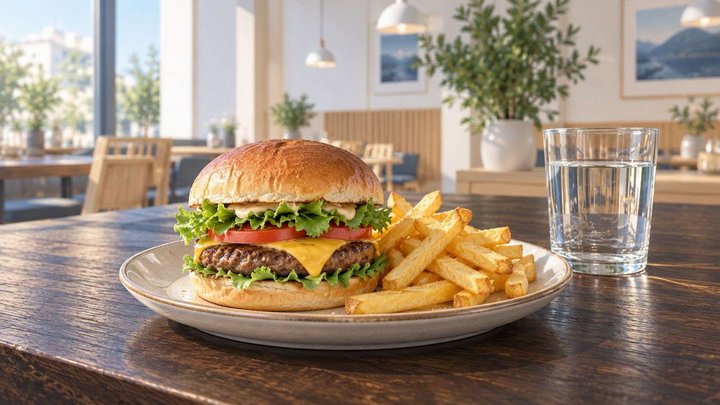
Burgers in Oslo: 9 places in the centre, by the Akerselva river and in the neighbourhoods
Burgers in Oslo: places in the centre, by the Akerselva river and in the neighbourhoods. Choose by area, booking or walk-in. Address and photos in every card.
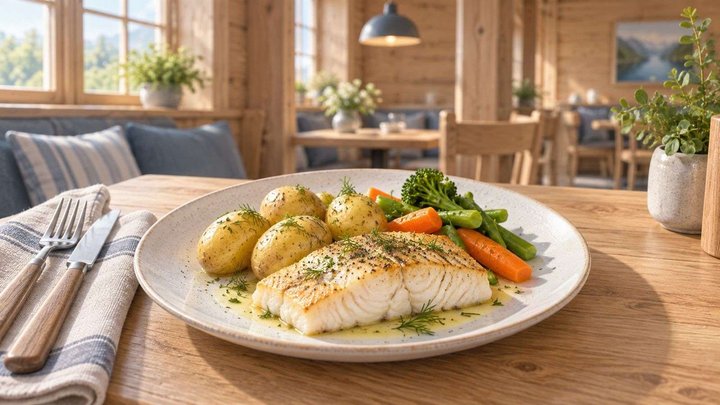
The best restaurants with traditional Norwegian cuisine
A ranking of restaurants serving traditional Norwegian food: classic dishes, historic restaurants in Oslo and regional places worth the trip for dinner.
0 comments
Log in to leave a comment