



How can objects and images introduce you to Norwegian culture?
Share
Save
In brief: Explore Norwegian culture in winter through three themes: painted objects, fairy-tale images and Christmas decorations. Look beyond a familiar pattern to the object's purpose, region and date. Local traditions interacted with outside influences in folk art, explains Norsk Folkemuseum. This helps you understand individual objects. Checked 27 October 2026.
| Fact | Details | Source | Checked |
|---|---|---|---|
| Folk art | Decorated household objects, carving, painting and textiles | Norsk Folkemuseum | 27 October 2026 |
| Regional differences | Forms and decoration developed through interaction between local tradition and external influences | Norsk Folkemuseum | 27 October 2026 |
| The term folkekunst | Around 1870, decorated objects began to be distinguished as folk art | Norsk Folkemuseum | 27 October 2026 |
| Fairy-tale illustration | Kittelsen placed mythical beings in Norwegian landscapes | Skien kommune | 27 October 2026 |
| Julenissen | The modern Christmas figure combines Santa Claus with older ideas about the nisse | Oslo kommune | 27 October 2026 |
| Festive food | Ribbe and pinnekjøtt are presented as common options, not a single menu | Oslo kommune | 27 October 2026 |
| Example winter exhibition | Juleutstilling: 28 November 2026–13 January 2027; check access on your specific day separately | Norsk Folkemuseum | 27 October 2026 |
| Museum collection record | Gives the artist, date, technique and object information | Nasjonalmuseet | 27 October 2026 |
Where should you begin a winter cultural walk?
Start with something you can examine closely: a painted bowl, a fairy-tale illustration or a festive ornament. Each object has a specific purpose and history, so a familiar image becomes clearer after reading the label. This is a useful way to see differences within the country without reducing its culture to a single symbol.
Example
For a winter cultural day, choose an exhibition of household objects, then one fairy-tale illustration and a small Christmas scene. Look for the connections: who used the object, who told the story and how the familiar festive figure emerged.
For the context of conversation and behaviour as a guest, use the Norwegian traditions and etiquette hub. Here the focus is on objects and images rather than social rules.
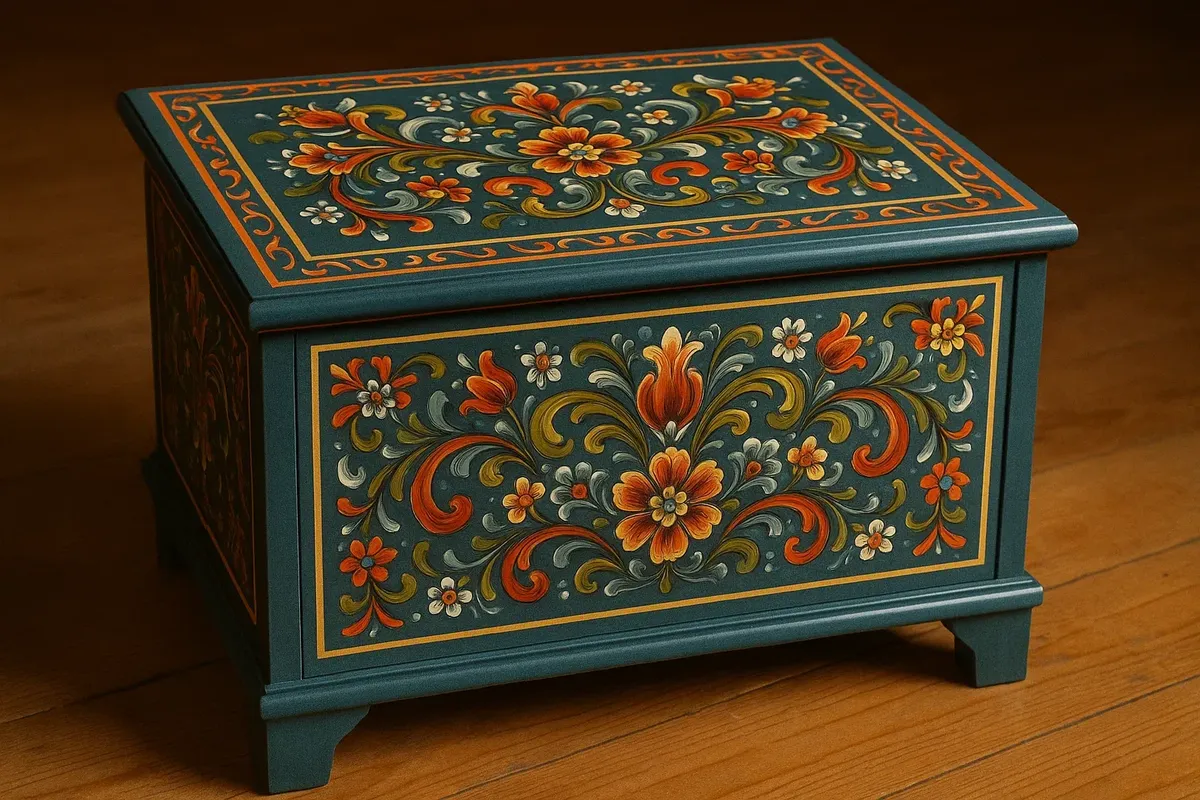
What should you look for in rosemaling beyond the floral pattern?
Rosemaling is decorative painting within folk art. Examine the pattern together with the object: its shape, surface, wear and inscription. A museum object was part of everyday life, not just an image later transferred onto a souvenir.
Norsk Folkemuseum shows painting alongside carving and textiles, explaining regional differences through local tradition and external influences. Source: the museum's folk-art exhibition; checked 27 October 2026.
Tip
Choose one museum object and find three details on its label: what it was used for, where it was made and when. Then compare its ornament with another object rather than guessing the region by colours alone.
Why are trolls linked to landscape and fairy-tale illustration?
In this context, the troll is a fairy-tale figure. Theodor Kittelsen places mythical beings in recognisable nature: forests and rocks become part of the story. Skien kommune describes this approach to the artist; checked 27 October 2026.
Choose an illustration and see how the artist invites you to notice the creature: a rock's outline, the figure's size, shadows and the direction of its gaze. This is observation of an artistic technique, not proof that all Norwegians perceive folklore in the same way.
Important
A troll or nisse on a souvenir does not prove the object's antiquity, local manufacture or religious meaning. Distinguish the subject, the creation date and the origin of the object itself.
For a practical visit to an art collection, see the Nasjonalmuseet guide. Ask the museum whether a particular work is currently on display.
How does a nisse differ from a troll and the modern Julenissen?
A nisse is associated with ideas of a small being around the farmstead, while Julenissen is the Christmas gift-bringer. The modern festive figure combines older folklore with Santa Claus traditions. Oslo kommune explains this; checked 27 October 2026.
On a card or in a shop window, ask what role the character plays: part of a farm scene, a fairy-tale character or a Christmas gift-bringer. A red cap alone does not explain the whole history.
How do you read a Christmas exhibition without treating it as one national custom?
Compare what belongs to a particular period, family or social setting. Modern celebrations consist of different historical layers, so an old room and today's shop window do not have to look alike.
As a specific winter example, Norsk Folkemuseum announces Juleutstilling from 28 November 2026 to 13 January 2027, focusing on the Christmas tree and paper decorations. Source: exhibition page; checked 27 October 2026. This period does not mean the museum operates identically on every public holiday.
If you want venues and programmes, see the Christmas markets guide. An annual tradition does not confirm an event date that has not yet been checked.
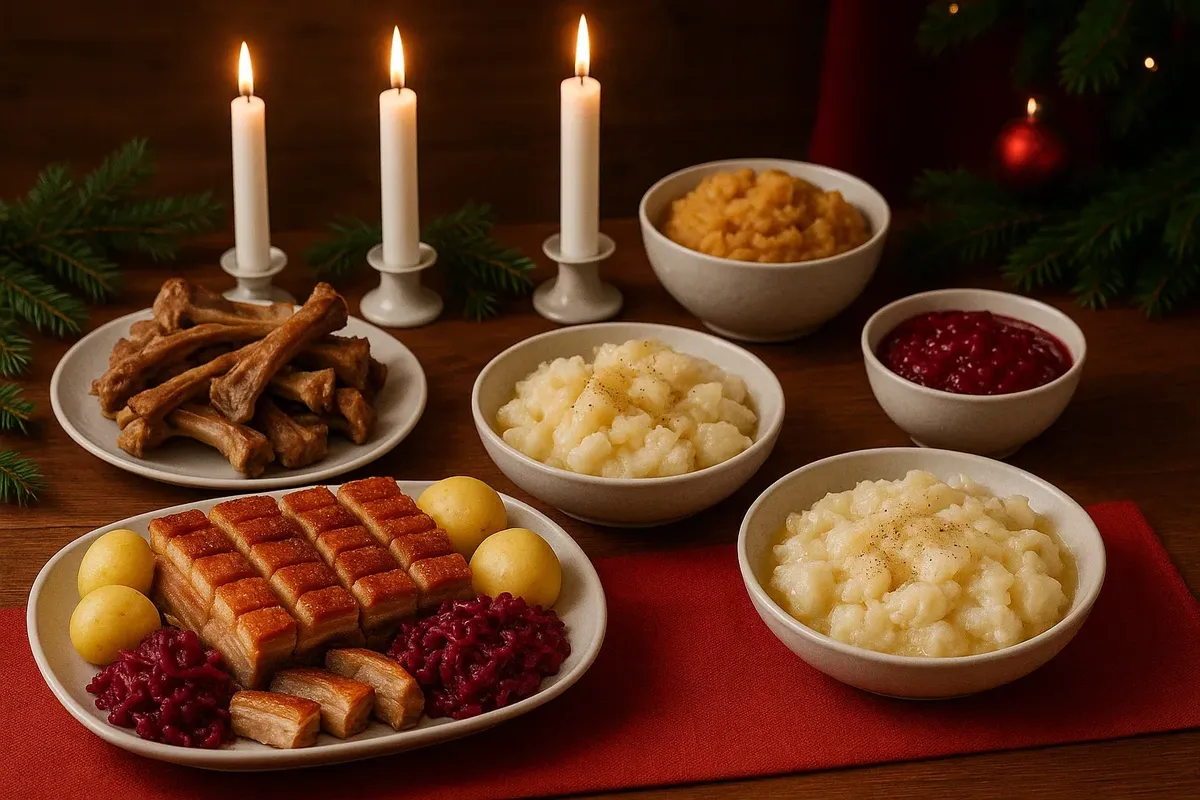
What can the festive table tell you about culture?
Food helps reveal different habits and regional accents. Oslo kommune calls ribbe and pinnekjøtt common Christmas options. This does not claim that every household serves all national dishes at once. Source: the municipal Christmas guide; checked 27 October 2026.
Distinguish the historical table in a museum scene from today's café menu. When ordering food, ingredients and preparation are more useful; the Norwegian flavours guide provides the basics. Do not treat a photograph of Christmas dinner as a universal portrait of every family.
How do you choose an exhibition and prepare a cultural day?
Common mistake
An online collection record does not promise that you can see the work in a gallery. Check the current display and access before visiting, especially if one work is the reason for your trip.
A collection record helps you study the artist, date and material beforehand: the Nasjonalmuseet catalogue provides an example of this structure; checked 27 October 2026. Save the name of the object or exhibition you want to see, and check current access separately.
For places by region, use the selection of cultural attractions. Within a short winter day, examining fewer objects is more useful than trying to recreate a nationwide top ten in one itinerary.
Checklist
Before visiting: theme and specific exhibition; opening dates; accessible rooms; ticket and tour language; winter route between buildings; photography restrictions; a backup if the desired gallery is closed.
Questions and answers
No. Tradition, the object and its origin matter, not just one motif. Norsk Folkemuseum; checked 27 October 2026.
Do not conclude this without information about the maker and object. The museum shows the combination of local and external influences. Norsk Folkemuseum; checked 27 October 2026.
No. Trolls are linked to fairy-tale illustration, while nisser have farmstead and Christmas contexts. Skien kommune and Oslo kommune; checked 27 October 2026.
No. It is a modern figure blending traditions. Oslo kommune; checked 27 October 2026.
28 November 2026–13 January 2027. Check opening on your selected day separately. Exhibition page; checked 27 October 2026.
There is no single compulsory menu. Ribbe and pinnekjøtt are given as common options. Oslo kommune; checked 27 October 2026.
Not necessarily. The catalogue and current display serve different purposes; check availability with the museum.
No. Start with an accessible exhibition and objects whose labels you can read; choose a regional itinerary separately.
Sources
- Norsk Folkemuseum: folk art; checked 27 October 2026.
- Skien kommune: Theodor Kittelsen; checked 27 October 2026.
- Oslo kommune: Christmas figures and customs; checked 27 October 2026.
- Norsk Folkemuseum: Christmas exhibition 2026/2027; checked 27 October 2026.
- Nasjonalmuseet: example collection record; checked 27 October 2026.
Author: Ksenia. Updated: 27 October 2026.
Share
Save

Read also
Which cultural places and events should you choose for a winter trip to Norway?
Plan a cultural winter trip in Norway with ten ideas: museums, theatre, St Lucia's Day, Nordlysfestivalen and Rørosmartnan, plus dates and visiting tips.
From Oslo's museums to Viking secrets: 10 cultural discoveries that will surprise you in Norway
Discover the best museums in Oslo, learn about berry and mushroom picking traditions, visit Varden Fortress and the Telemarkfestivalen festival. A guide to the…
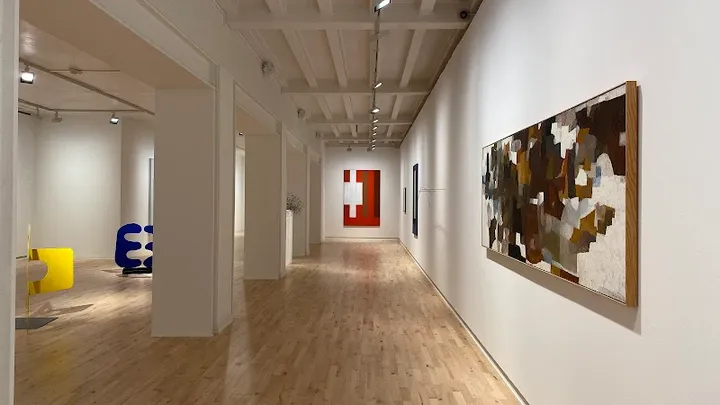
From festivals to the Middle Ages: 10 cultural discoveries in Norway that you will remember forever
Find out why you should visit the Heni Unstad Art Centre, Austrott Castle, the St. Olaf Festival and learn about the traditions of Norway's national day. Disco…
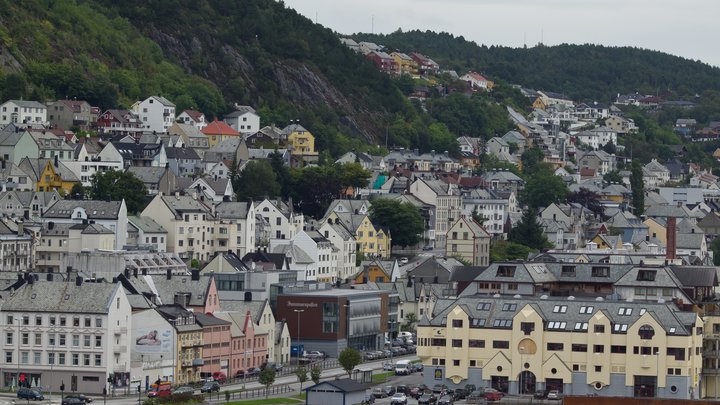
🎨 From Bergen to Vega: Norway's cultural wonders that are worth seeing at least once in a lifetime
Find out why you should visit the KODE museum in Bergen, historic Haugesund, the Stormen cultural centre in Bodø and experience Easter in Norway. Discover uniq…
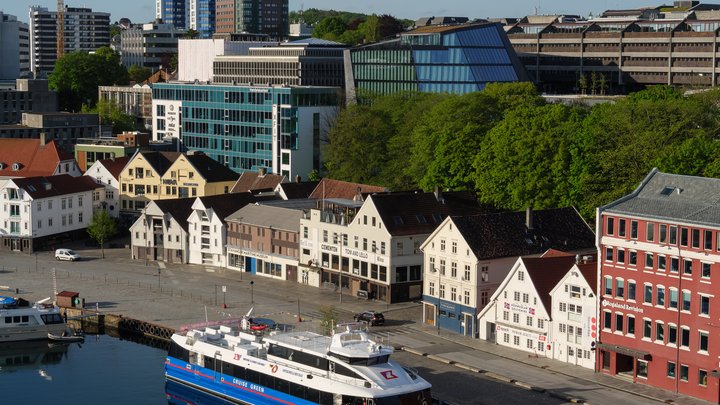
🎨 From Stavanger to Alta: 10 cultural discoveries that will change your perception of Norway
Find out why you should visit Stavanger's museums and the Nuart festival, see the ancient rock carvings in Alta and the old town of Fredrikstad. Discover the r…
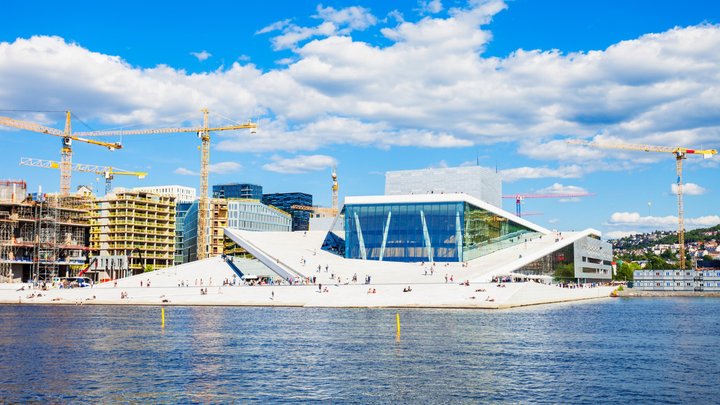
🎨 From Tromsø to Lillehammer: 10 places that will help you understand the culture and soul of Norway
Find out what Tromsø is famous for, why you should visit Kongsvinger Fortress and the Kilden cultural centre. Discover Oslo's best museums and Norway's music f…
2 comments
Log in to leave a comment
Hvilken av disse kulturperlene synes dere er mest unik, og har dere et personlig favorittsted eller en favoritttradisjon tilknyttet rosemaling eller folketro?