


Norwegian food: what is typical Norwegian food, and which dishes should you try?
Updated 27.09.2026. Facts checked against Store norske leksikon (the Norwegian encyclopedia).
Short answer: Typical Norwegian food is based on fish, lamb and dairy. The national dish is fårikål – lamb or mutton boiled with cabbage and whole peppercorns, chosen by popular vote in 1972 and again in 2014. Other well-known dishes and products are brunost (brown cheese), fish soup, stockfish, rakfisk, smalahove and the Christmas dishes pinnekjøtt and lutefisk. Many of them are seasonal: fårikål in autumn, smalahove in the slaughter season, and pinnekjøtt, lutefisk and rakfisk around Christmas.
Key facts
| Dish | Facts | Source, checked |
|---|---|---|
| Fårikål | National dish, chosen in 1972 and 2014; its day is the last Thursday in September | Store norske leksikon, updated 24.09.2026 |
| Brunost | Boiled-down whey with milk and cream; brown because the milk sugar caramelises | Store norske leksikon, updated 03.10.2025 |
| Rakfisk | Fermented trout or char from Telemark, Valdres and Østerdalen | Store norske leksikon, 27.09.2026 |
| Smalahove | Salted, often smoked and boiled sheep's head from Western Norway | Store norske leksikon, 27.09.2026 |
| Pinnekjøtt | 76% of people in Western Norway eat it on Christmas Eve, 14% in Eastern Norway | Store norske leksikon, 27.09.2026 |
| Stockfish | Over 80% of Norway's exports in the 1300s; "Tørrfisk fra Lofoten" is a protected designation | Store norske leksikon, updated 25.11.2024 |
| Kvikk Lunsj | Chocolate-covered wafer from Freia, launched in 1937 | Store norske leksikon, updated 25.11.2024 |
What applies to you?
- You want to try one typical dish: see fårikål and brunost.
- You are travelling around Christmas: see pinnekjøtt and lutefisk and rakfisk.
- You like fish: see fish soup and stockfish.
- You want to know why the food is the way it is: see Norwegian food through history.
- You are looking for a restaurant: see where to eat Norwegian food.
What is typical Norwegian food?
- Meat: fårikål, smalahove and pinnekjøtt.
- Fish: fish soup and stockfish, lutefisk and rakfisk.
- Dairy: brunost.
- Bread and sweets: lefse, flatbread and Kvikk Lunsj.
The history behind the cuisine: Norwegian cuisine through history.
What is the national dish of Norway?
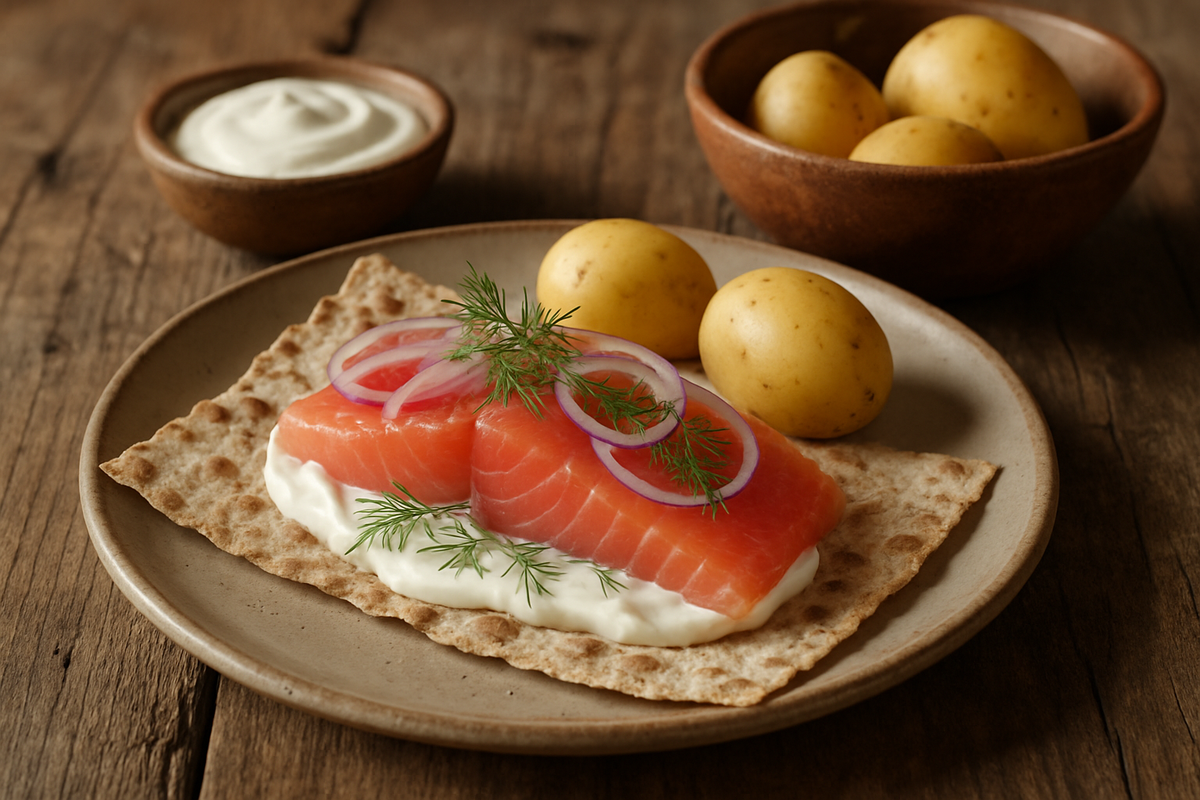
Fårikål is Norway's national dish. It is fresh mutton or lamb boiled with white cabbage and whole black peppercorns. Fårikål was chosen as the national dish by popular vote in 1972 and again in 2014, and Fårikål Day is the last Thursday in September (Store norske leksikon, updated 24.09.2026). More: fårikål – the soul of the Norwegian autumn.
What is brunost made of, and why is it brown?
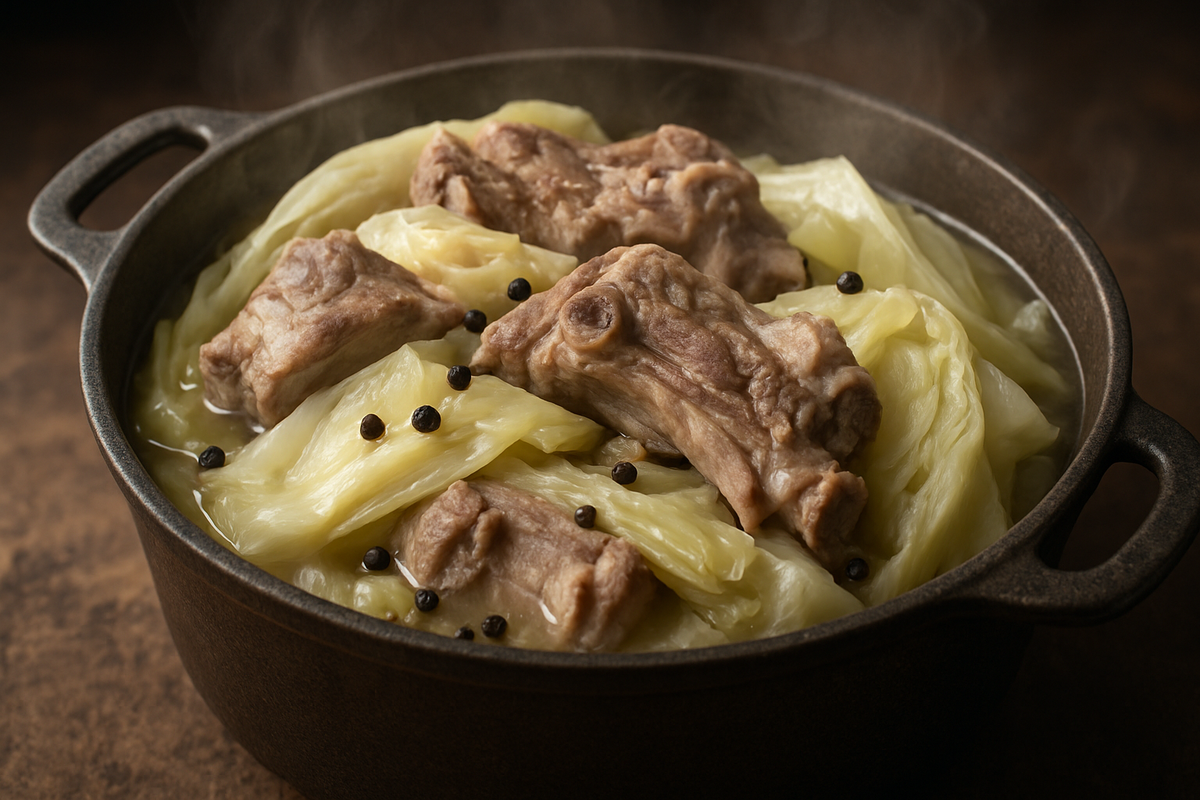
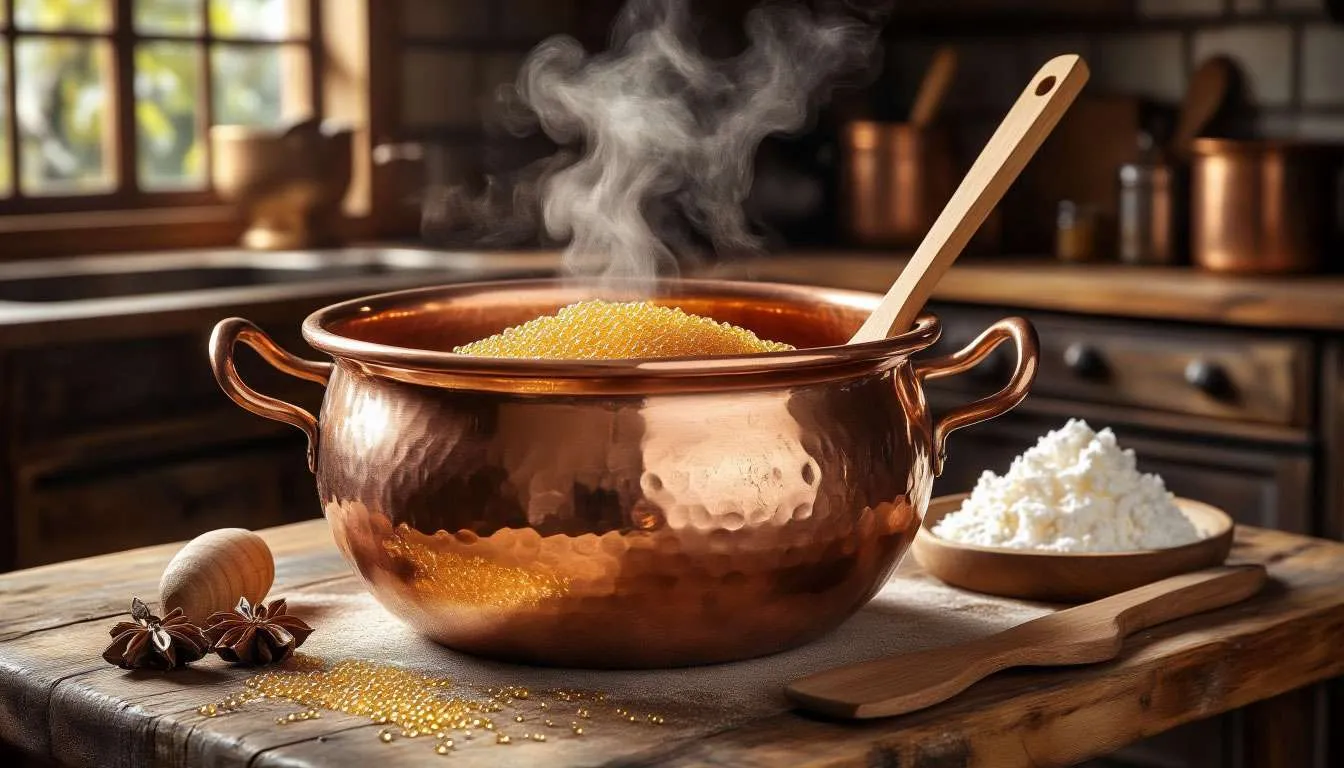
Brunost is boiled-down whey with added milk and cream. Whey contains milk sugar, and the sugar caramelises as the whey is boiled – that is why the cheese is brown and sweetish. The most common types are geitost (goat), Gudbrandsdalsost and fløtemysost. Real brunost has less than 25% water; prim is a softer variant (Store norske leksikon, updated 03.10.2025).
Where does brunost come from? Modern brunost was developed in Gudbrandsdalen in the 1860s, when the dairymaid Anne Solbrå made a new, richer whey cheese. Tretten dairy started production in 1908, the beginning of Gudbrandsdalsost (same source).
More: from brunost to gammelost and brunost for visitors.
What is rakfisk, and how do you eat it?
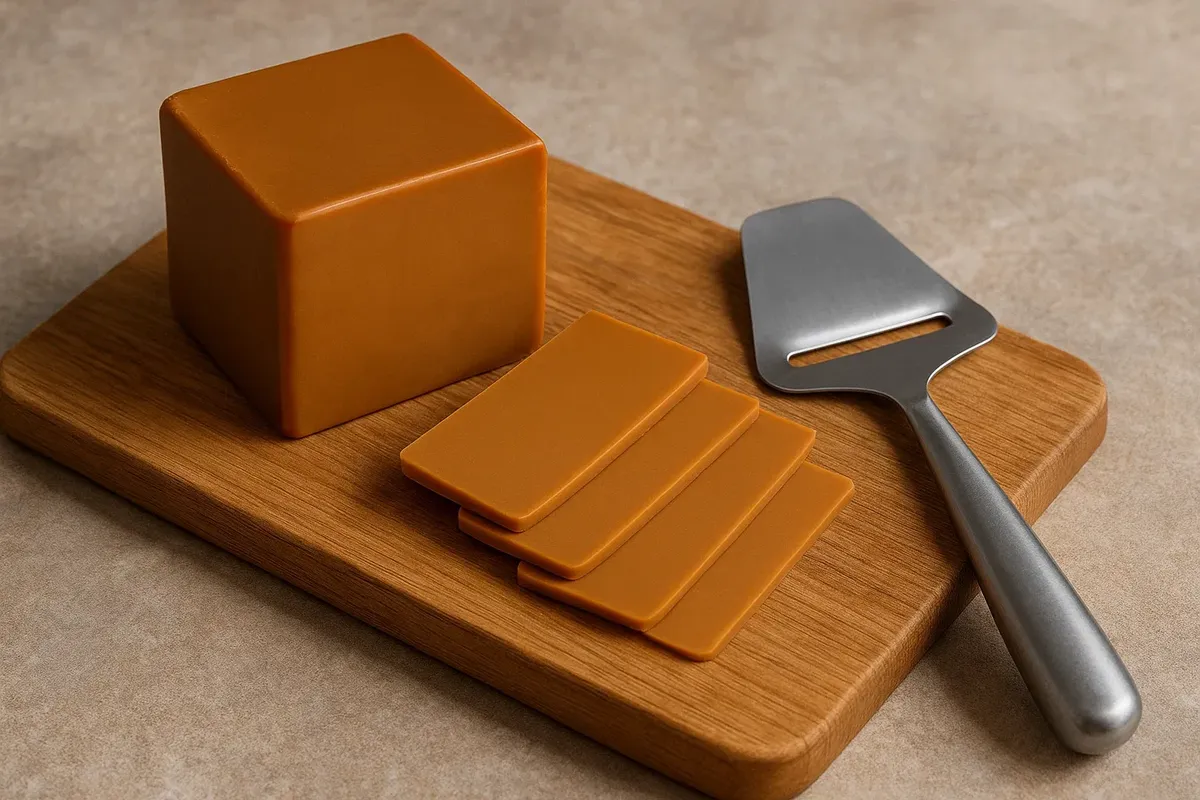
Rakfisk is fermented freshwater fish made from trout or char. The fish is cleaned, lightly salted and left to ferment; lactic acid bacteria give it its distinctive taste and texture. Rakfisk comes from Telemark, Valdres and Østerdalen but is now eaten all over the country, especially around Christmas. It is served cold on flatbread or potato lefse with sour cream, leek, red onion and potatoes. Rakfisk is mentioned in sources from the 1500s (Store norske leksikon, checked 27.09.2026).
What is smalahove?
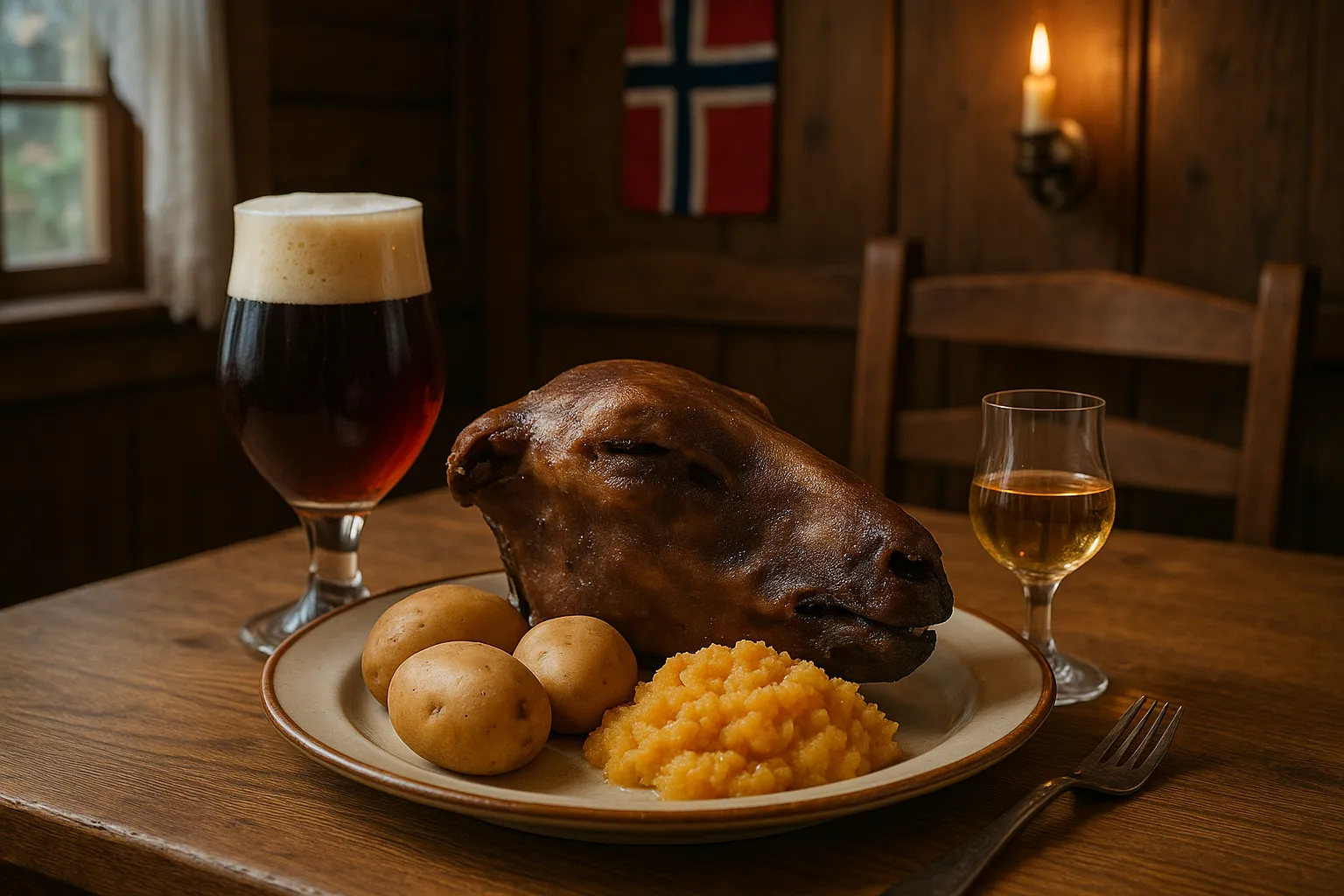
Smalahove is a salted, often smoked and boiled sheep's or lamb's head. The head is singed over an open flame, split, soaked, salted for a couple of days and boiled for several hours. The dish comes from Western Norway and is eaten especially in November, in the slaughter season, with boiled potatoes and mashed swede (Store norske leksikon, checked 27.09.2026). More: smalahove from Western Norway.
Fish soup and stockfish
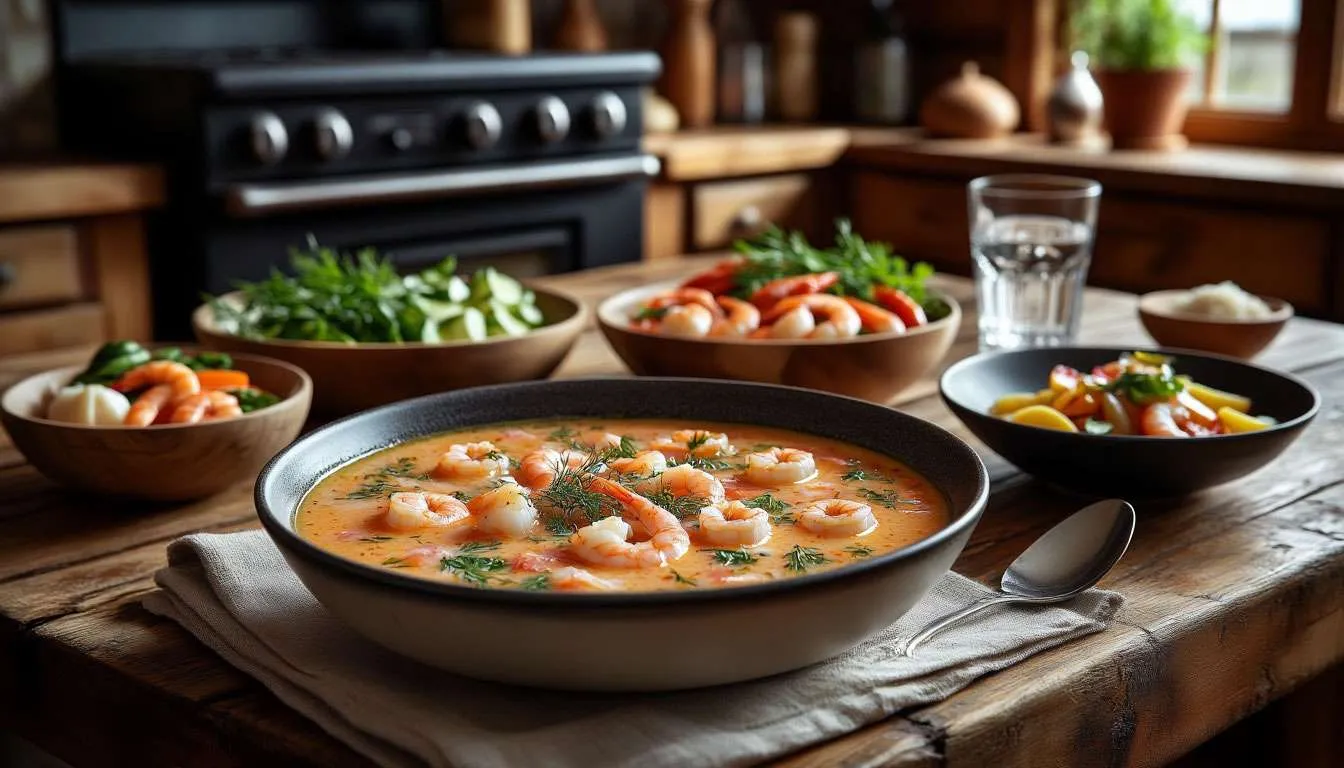
Fish soup (fiskesuppe) is a general term for soups based on fish stock. Bergen fish soup is made with cream or sour cream, vegetables such as carrot and leek, and small fish balls (Store norske leksikon, updated 16.07.2026). Recipe and variants: fish soup from Norway.
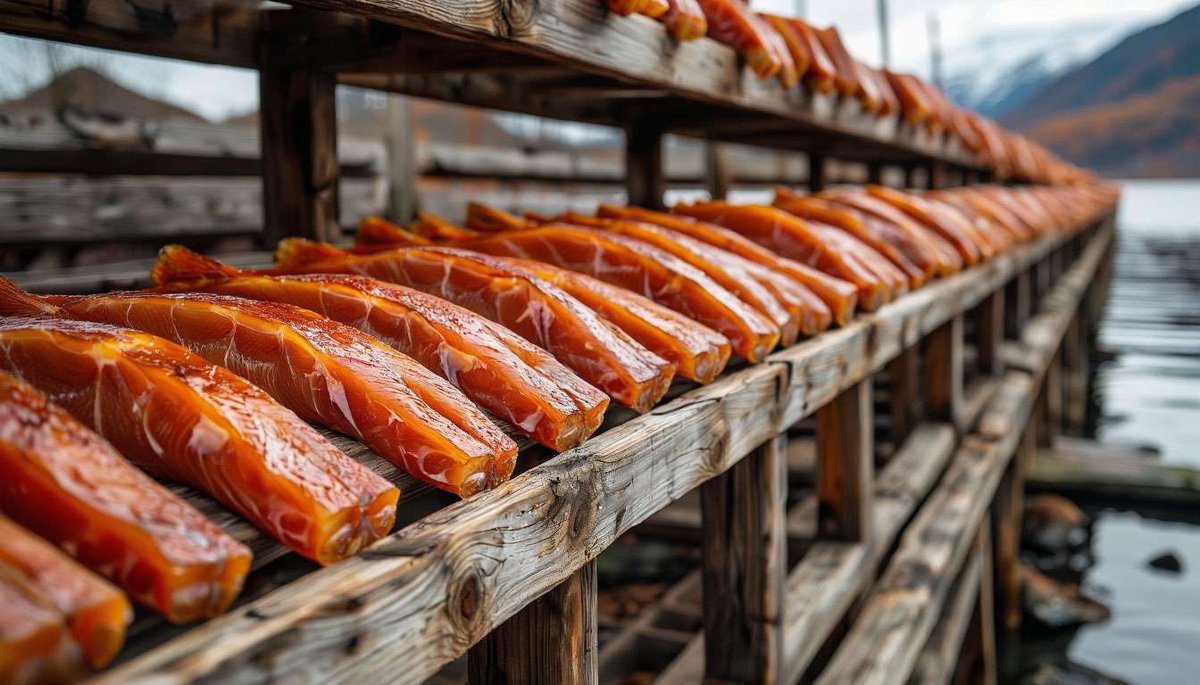
Stockfish (tørrfisk) is mainly cod hung to dry on wooden racks for two to four months. As early as the 1300s stockfish made up over 80% of Norway's exports, and "Tørrfisk fra Lofoten" is a protected geographical designation (Store norske leksikon, updated 25.11.2024). More: from stockfish to rakfisk and Norwegian salmon.
Christmas food: pinnekjøtt and lutefisk
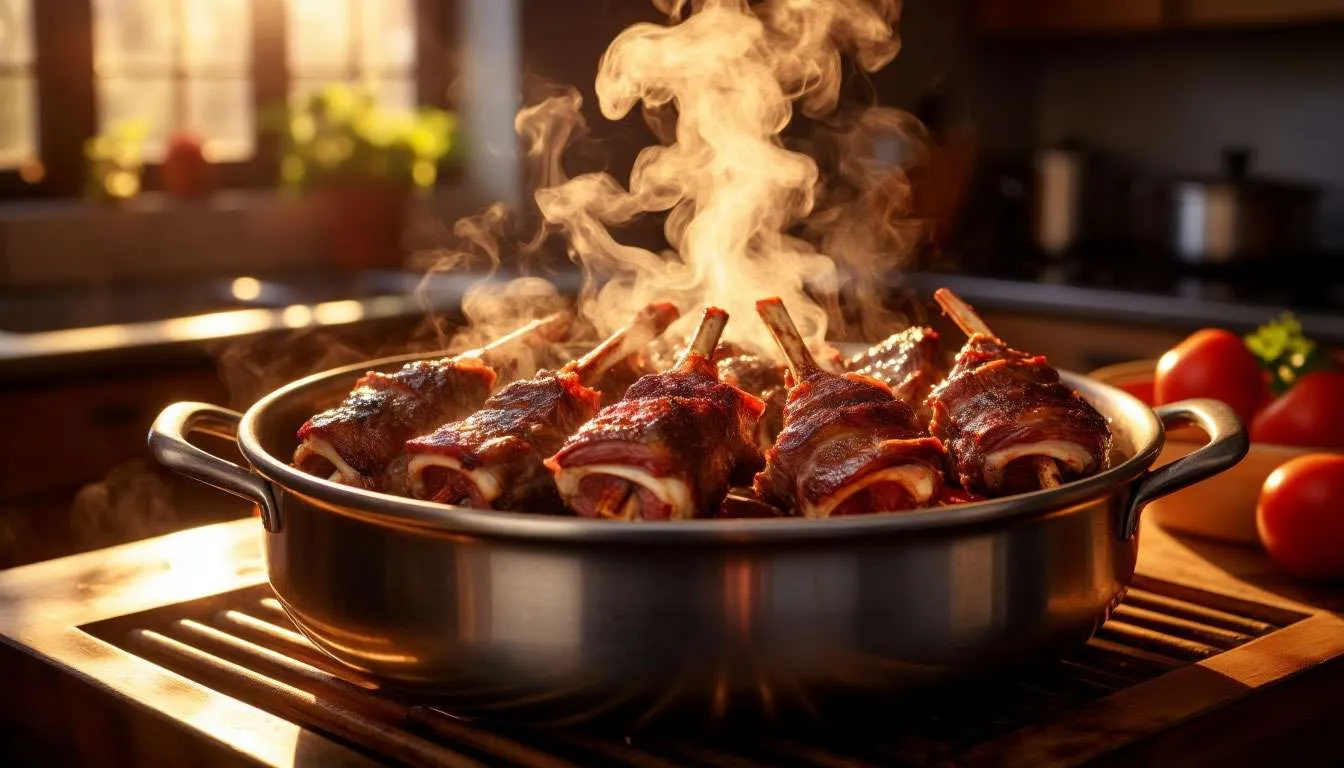
- Pinnekjøtt is salted and dried, sometimes smoked, lamb ribs steamed over birch sticks. 76% of people in Western Norway eat pinnekjøtt on Christmas Eve, compared with 14% in Eastern Norway. It is served with mashed swede and potatoes (Store norske leksikon, checked 27.09.2026).
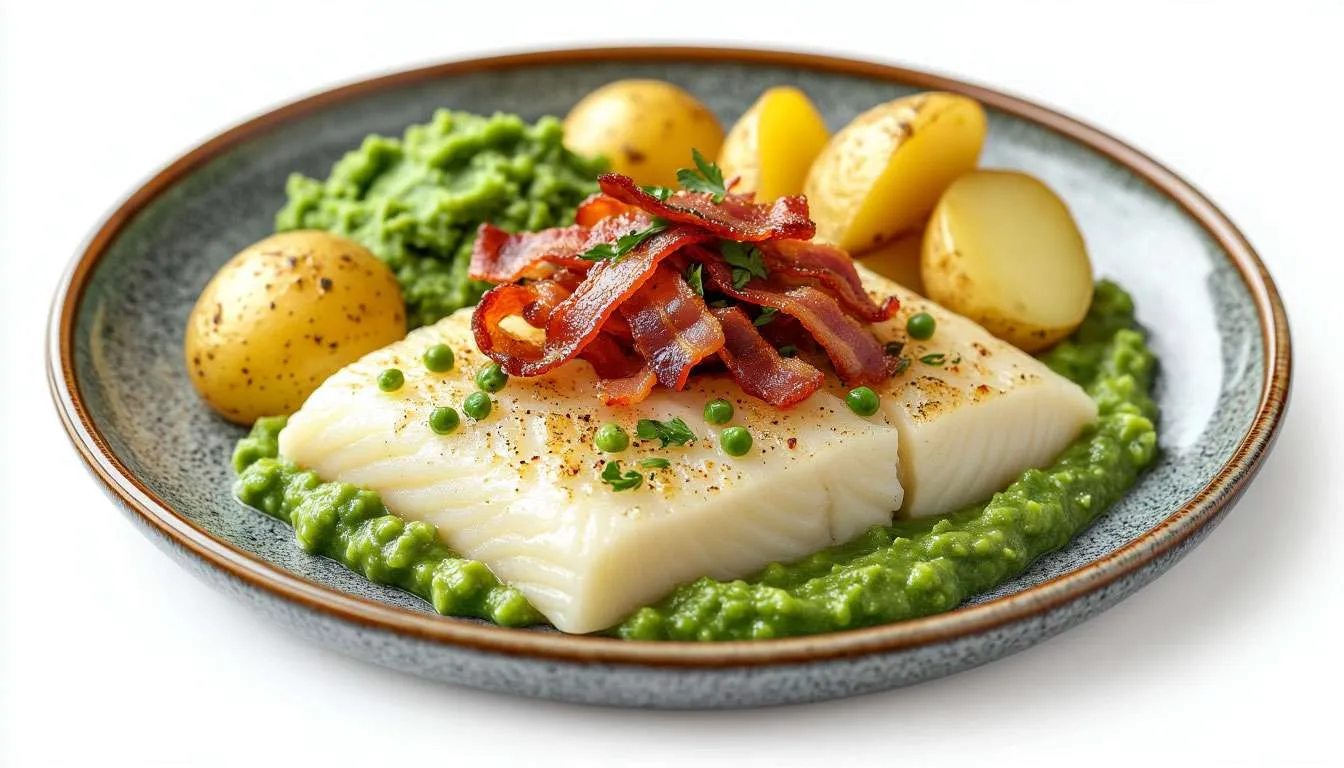
- Lutefisk is stockfish soaked in lye and water, which gives it a soft texture. It is served with bacon, potatoes, mustard sauce or mushy peas. The dish is known from at least the 1500s (Store norske leksikon, updated 03.10.2025).
Lefse, bread and Kvikk Lunsj
Lefse is a flat, round and usually soft bake, today mostly made from wheat flour and potato. Coffee lefse is spread with butter, sugar, cinnamon or brunost (Store norske leksikon, updated 13.04.2026). See also: Norwegian bread: grovbrød, flatbrød and knekkebrød.
Kvikk Lunsj is a Norwegian chocolate-covered wafer from Freia, launched in 1937 (Store norske leksikon, updated 25.11.2024). More sweets: Freia chocolate and Norwegian marzipan and kvæfjordkake and cream cake.
Norwegian food through history: why do Norwegians dry, salt and smoke their food?
- Grain: barley and oats were the most common, because they could be grown in the cool climate. Rye and wheat were imported or grown where the climate allowed (Store norske leksikon, updated 02.06.2026).
- Preserving: food came in short seasons and often in large amounts. So fish and meat were dried, salted, smoked and fermented. This is the background for traditional foods such as stockfish, cured meats and rakfisk (Store norske leksikon).
- Slaughter and milk: animals were slaughtered in autumn, when they were heaviest. Cows calved in spring, so most milk came in summer and was made into cheese, butter and whey products for the winter. Drinking fresh milk only became common in the 1930s (Store norske leksikon).
- Potatoes: spread from the late 1700s and changed the diet, because they gave large harvests in the Norwegian climate (Store norske leksikon).
- The 1800s: the cast-iron stove came into homes, a money economy replaced self-sufficiency, and coffee, sugar and margarine became everyday goods (Store norske leksikon).
Where can you eat traditional Norwegian food?
See our ranking of the best restaurants with traditional Norwegian food, and Norwegian and seafood restaurants in the cities in the table below. What food costs in Norway: food prices in Norway. Table manners: Norwegian table manners.
Norwegian and seafood restaurants in your city
| City | Norwegian restaurants | Seafood restaurants |
|---|---|---|
| Oslo | Norwegian restaurants | Seafood restaurants |
| Bergen | Norwegian restaurants | Seafood restaurants |
| Trondheim | Norwegian restaurants | – |
| Stavanger | – | Seafood restaurants |
| Tromsø | Norwegian restaurants | Seafood restaurants |
| Ålesund | – | Seafood restaurants |
Photos: Norwegian food


People also ask
- What is typical Norwegian food?
- What is the national dish of Norway?
- When is Fårikål Day?
- What is brunost made of?
- Why is brunost brown?
- Where does brunost come from?
- What is rakfisk?
- What is the main ingredient in rakfisk?
- How do you eat rakfisk?
- What is smalahove?
- What is Bergen fish soup?
- What is stockfish?
- What is pinnekjøtt?
- What is lutefisk?
- When was Kvikk Lunsj invented?
- Where can I eat traditional Norwegian food?
- Why do Norwegians dry and salt their food?
- When did potatoes come to Norway?
Frequently asked questions about Norwegian food
Dishes based on fish, lamb and dairy: fårikål, brunost, fish soup, stockfish, rakfisk, smalahove and the Christmas dishes pinnekjøtt and lutefisk (Store norske leksikon).
Fårikål – mutton or lamb boiled with white cabbage and whole black peppercorns. It was chosen by popular vote in 1972 and again in 2014 (Store norske leksikon).
Boiled-down whey with added milk and cream. It turns brown because the milk sugar caramelises during boiling (Store norske leksikon).
From Gudbrandsdalen. The dairymaid Anne Solbrå developed a new, richer whey cheese in the 1860s (Store norske leksikon).
Trout or char, fermented with a little salt (Store norske leksikon).
A salted, often smoked and boiled sheep's or lamb's head, a traditional dish from Western Norway (Store norske leksikon).
Stockfish soaked in lye so that it becomes soft. A traditional Christmas dish (Store norske leksikon).
Salted and dried lamb ribs steamed over birch sticks. Most common in Western Norway on Christmas Eve (Store norske leksikon).
In 1937, by Freia (Store norske leksikon).
Sources
All links checked 27.09.2026.
- Store norske leksikon: fårikål (updated 24.09.2026)
- Store norske leksikon: brunost (updated 03.10.2025)
- Store norske leksikon: rakfisk
- Store norske leksikon: smalahove
- Store norske leksikon: fiskesuppe (updated 16.07.2026)
- Store norske leksikon: tørrfisk (updated 25.11.2024)
- Store norske leksikon: pinnekjøtt
- Store norske leksikon: lutefisk (updated 03.10.2025)
- Store norske leksikon: lefse (updated 13.04.2026)
- Store norske leksikon: Kvikk Lunsj (updated 25.11.2024)
- Store norske leksikon: Norwegian food and food culture (updated 02.06.2026)
Readers' experiences
Which Norwegian dish did you like best – and which one did you not dare to try? Write in the comments at the bottom of the page. We use your experiences when we update the guide.





2 comments
Log in to leave a comment