
Practical Norway: plugs, tap water, pant, tipping and smoking – quick answers
Updated 29.09.2026. Facts checked against the Norwegian Food Safety Authority (Mattilsynet), the Norwegian Directorate of Health, Infinitum, the Great Norwegian Encyclopedia and Lovdata.
Short answer: Norway uses type C and F sockets with 230 volts and 50 Hz – from the UK or the US you need an adapter. Tap water is safe to drink: 99.7 per cent of the population get drinking water of satisfactory hygienic quality (Mattilsynet). The deposit (pant) on bottles and cans is NOK 2 up to 0.5 litres and NOK 3 above 0.5 litres. Tipping is optional. Smoking is banned indoors at restaurants and bars, on public transport and at the entrances to public buildings.
Key facts
| Topic | Facts | Source, checked |
|---|---|---|
| Plugs and sockets | Type C and F, 230 V, 50 Hz | Electrical Safety First; WorldStandards, 29.09.2026 |
| Tap water | 99.7% of the population get drinking water of satisfactory hygienic quality | Mattilsynet, annual report 2024, 29.09.2026 |
| Pant (deposit) | NOK 2 up to 0.5 litres, NOK 3 above 0.5 litres | Infinitum, 29.09.2026 |
| Tipping | Optional; most common at restaurants and bars; taxable for the person who receives it | Store norske leksikon (updated 14.06.2026) |
| Prices at restaurants | All prices must include VAT and public charges | Price Information Regulations § 3, Lovdata, 29.09.2026 |
| Smoking | Banned indoors at all restaurants and bars since 1 June 2004; banned in premises, on transport and at entrances, e-cigarettes included | Store norske leksikon; Norwegian Directorate of Health (updated 12.05.2026) |
| Public toilets in Oslo | Many municipal toilets cost NOK 5, at stations and shopping centres up to NOK 20 | NorgeGuide, overview checked 25.09.2026 |
What applies to you?
- You need to charge your phone: see plugs and adapters.
- You wonder if you can drink the water: see tap water.
- You have empty bottles: see pant.
- You are eating out: see tipping and smoking rules.
- You need a toilet in Oslo: see public toilets.
What plugs are used in Norway, and do you need an adapter?
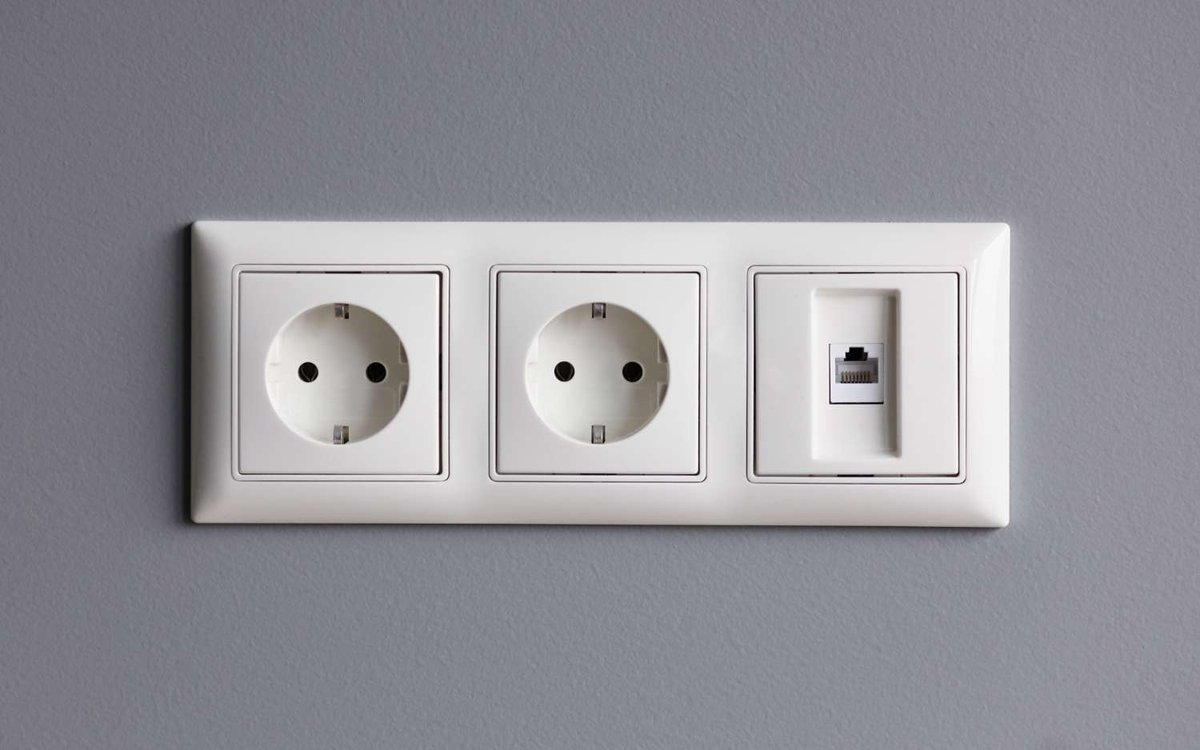
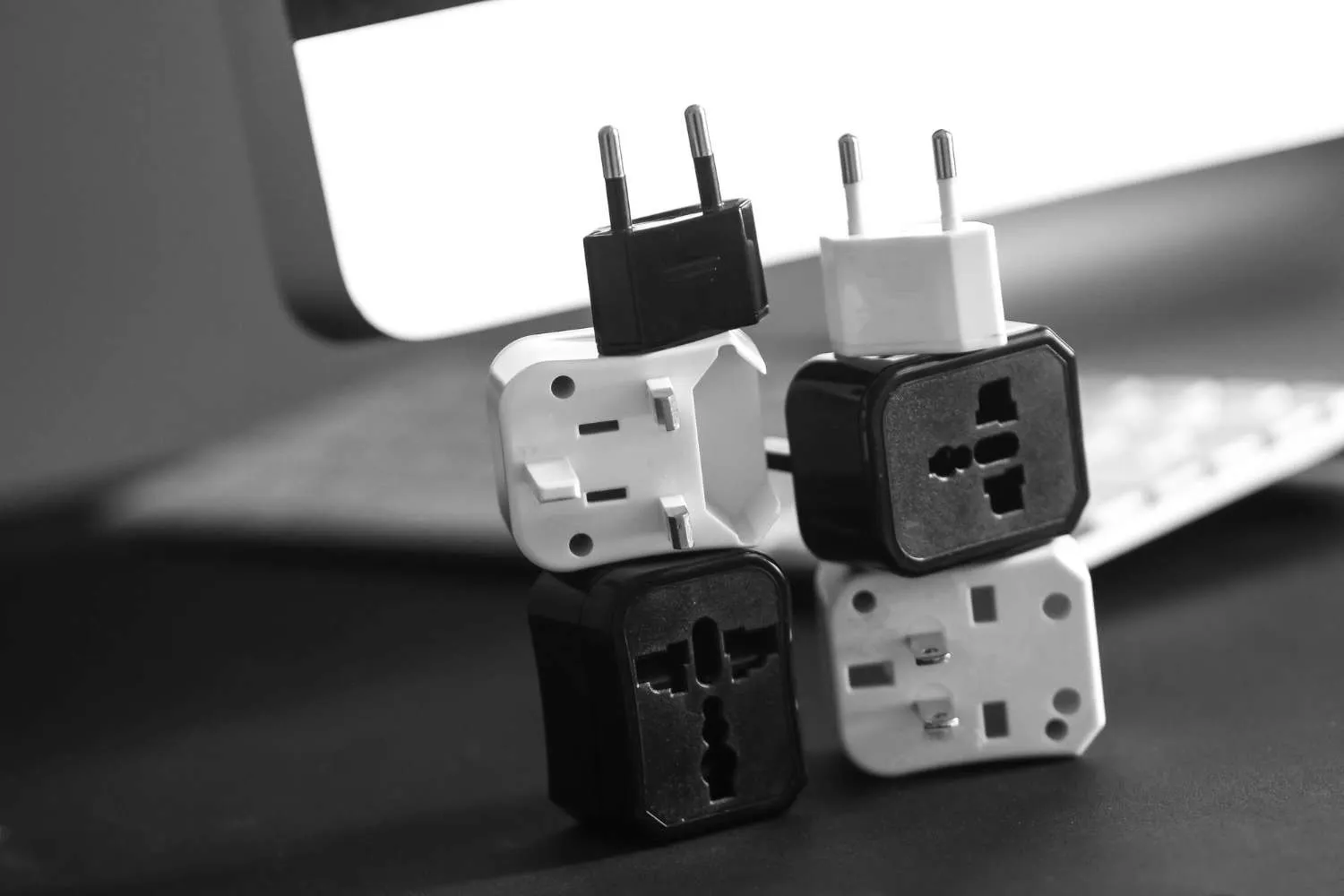
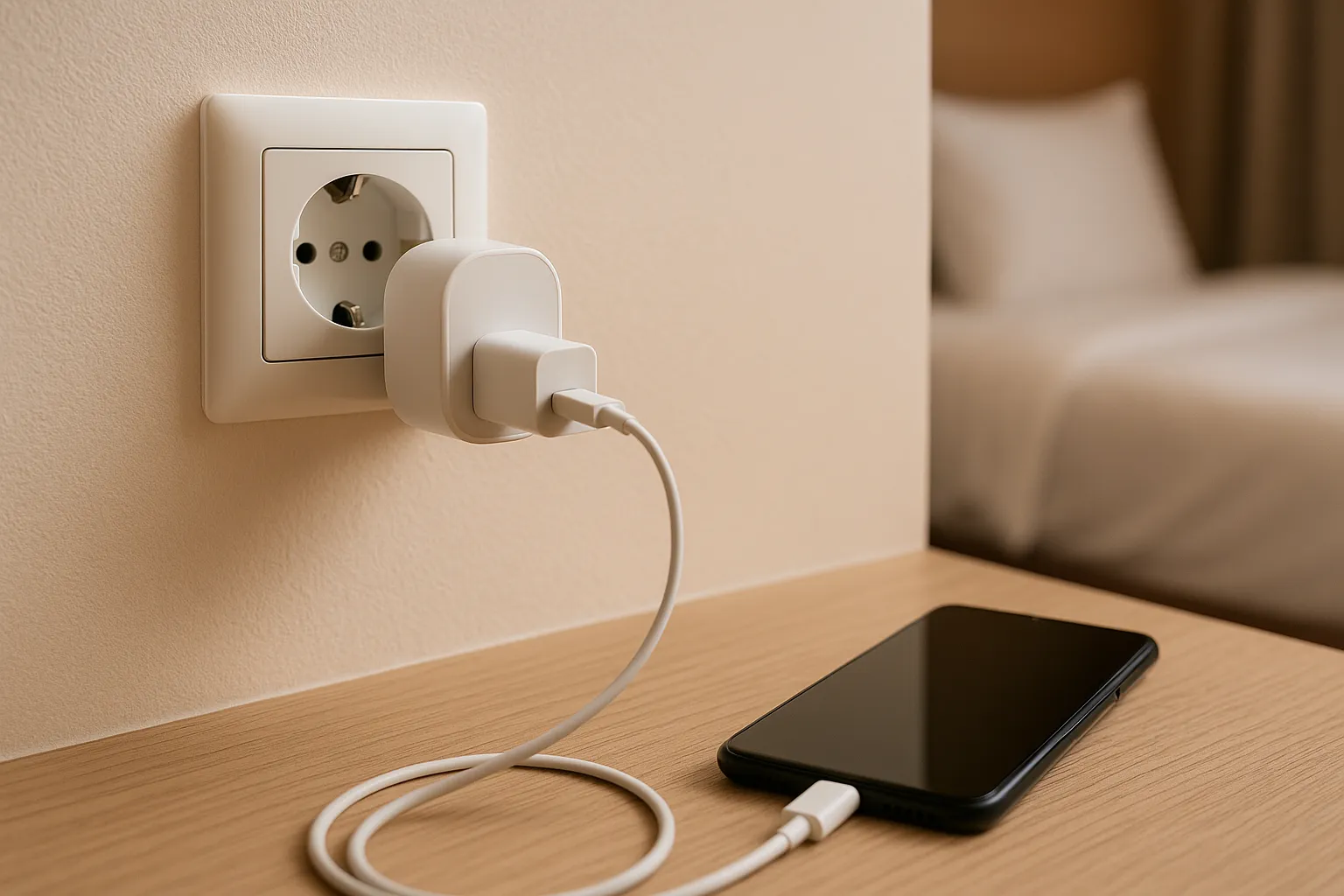
- Type C and F: Norway uses type C (the Europlug with two round pins) and type F (with earthing). The voltage is 230 V and the frequency 50 Hz (Electrical Safety First).
- Type E also fits: type C and E plugs can be used in type F sockets (WorldStandards).
- From the UK and the US: you need a plug adapter. An adapter does not convert the voltage (Electrical Safety First). Check the label on your charger: if it says 100–240 V, it works on Norwegian power.
Can you drink tap water in Norway?
Yes. According to the Norwegian Food Safety Authority, about 99.7 per cent of the population get drinking water of satisfactory hygienic quality (annual report 2024). The figure applies to water from waterworks. If your cabin has its own well, ask the owner whether the water is drinkable. There is no need to buy bottled water – bring a bottle and fill it from the tap.
What is pant, and how much do you get back?
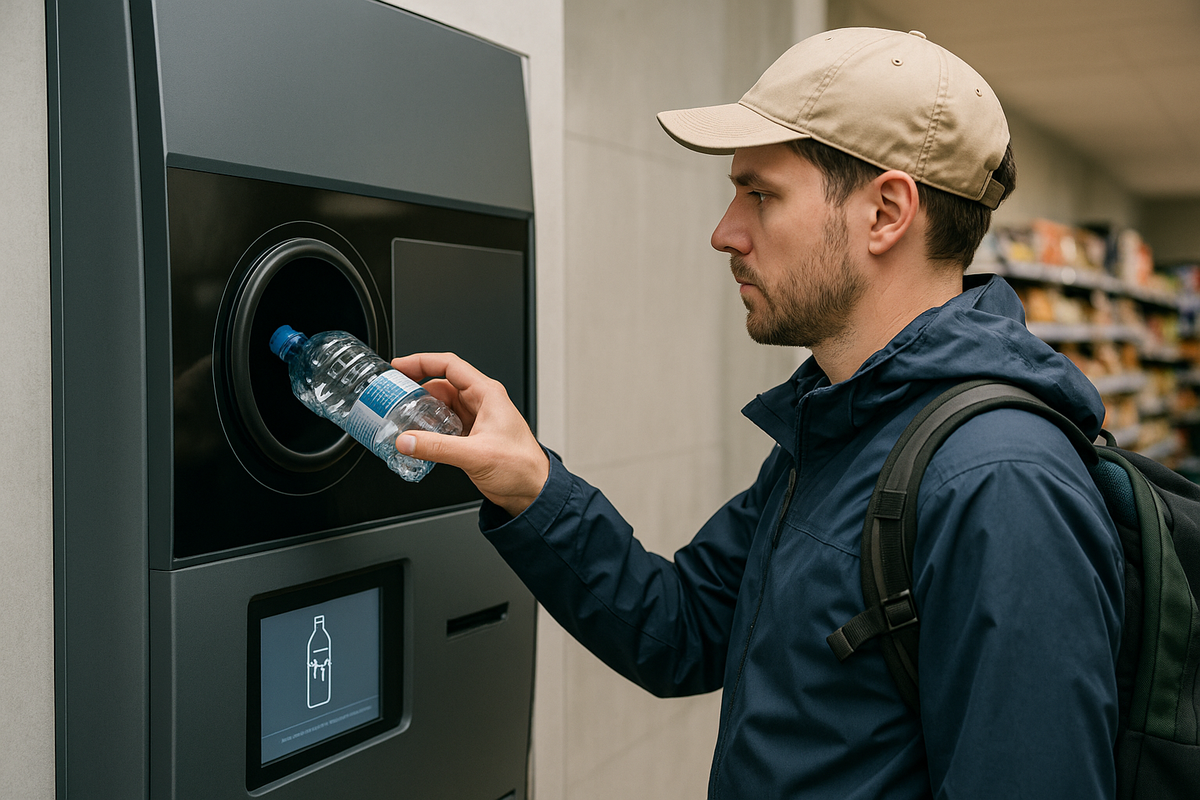
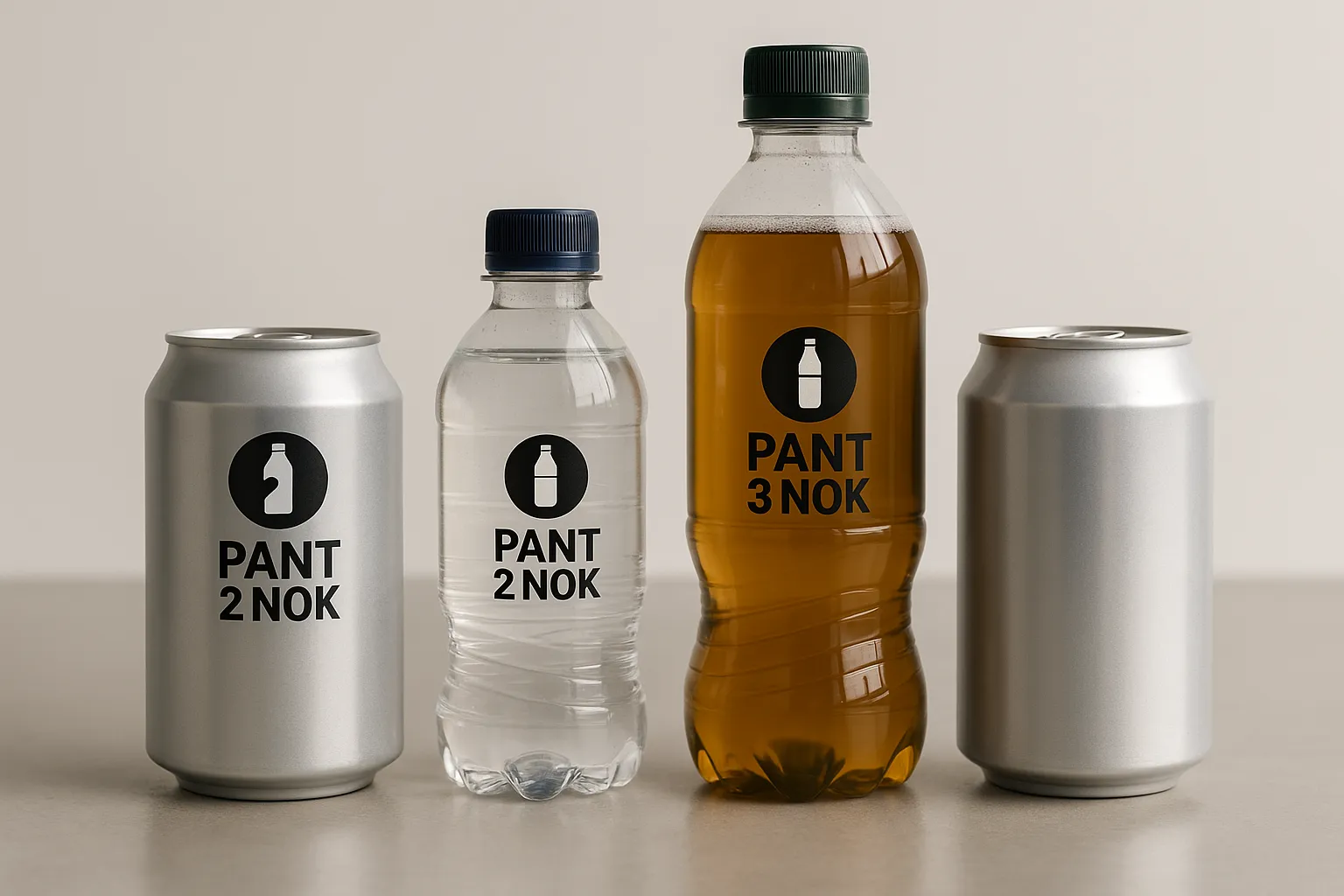
- Amount: NOK 2 for bottles and cans up to 0.5 litres, NOK 3 above 0.5 litres (Infinitum). The amount is printed on the packaging.
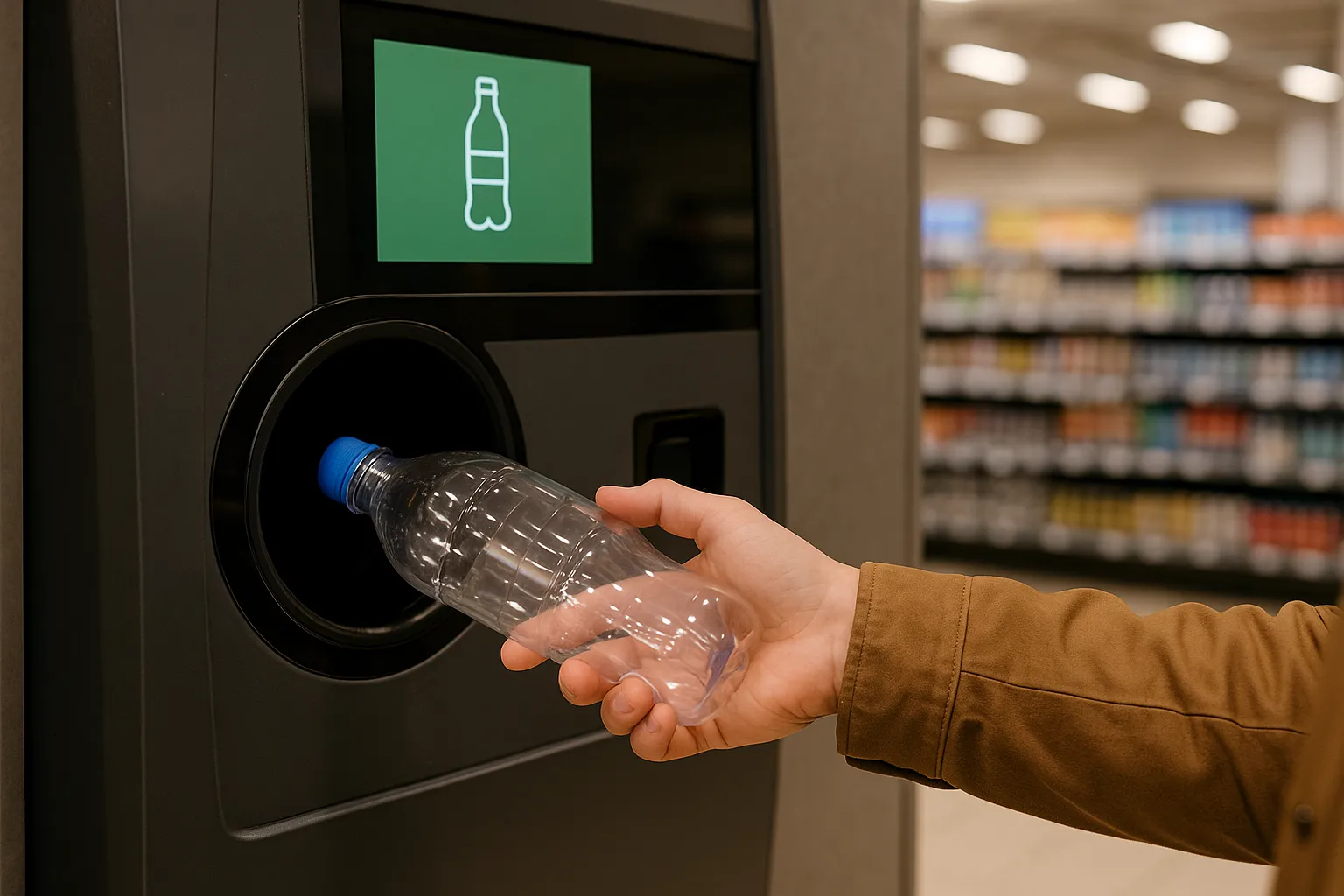
- Where: you return bottles and cans in the deposit machine at the supermarket. The machine gives you a slip that you use at the checkout or get paid out.
- How: return the packaging empty and undamaged, with the label on.
More on pant and recycling: recycling and pant machines in Norway.
Do you have to tip in Norway?
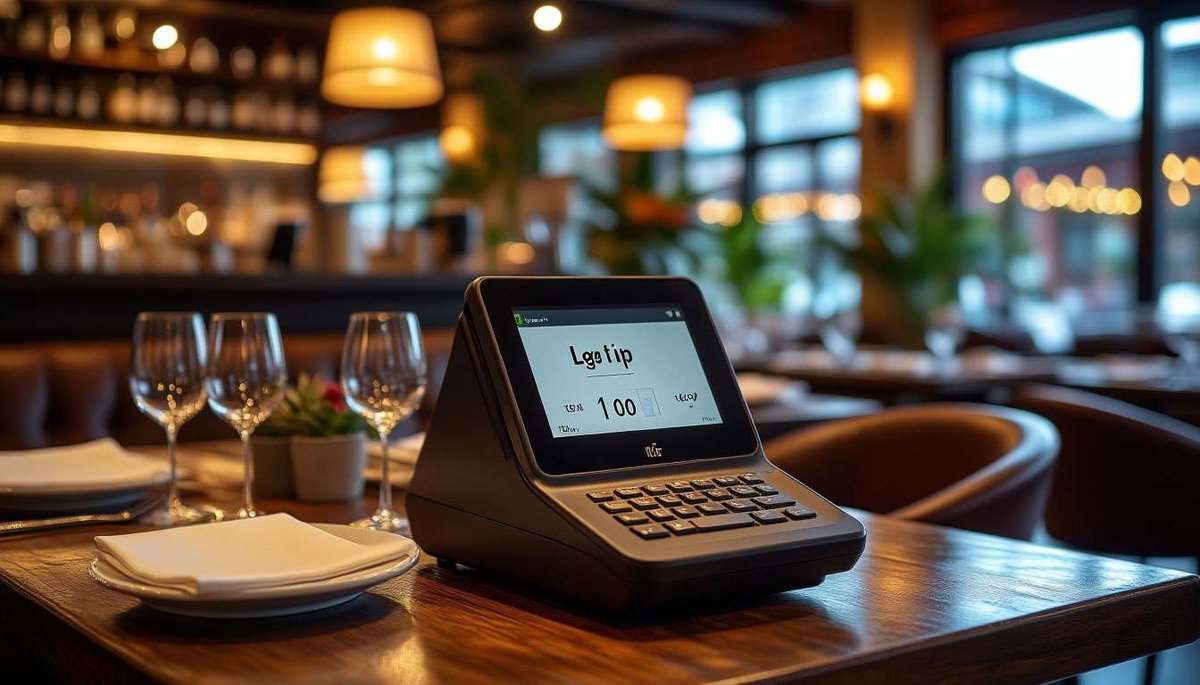
- Optional: tipping is voluntary. It is most common at restaurants and bars, and there are local norms for how much people give (Store norske leksikon).
- The menu price is the full price: all prices must include VAT and public charges (Price Information Regulations § 3).
- Tax: tips are taxable for the person who receives them, and since 2019 employers report tips in the same way as wages (Store norske leksikon).
Tipping by card, cash or Vipps: see currency, cards and tipping in Norway.
Where can you smoke in Norway?
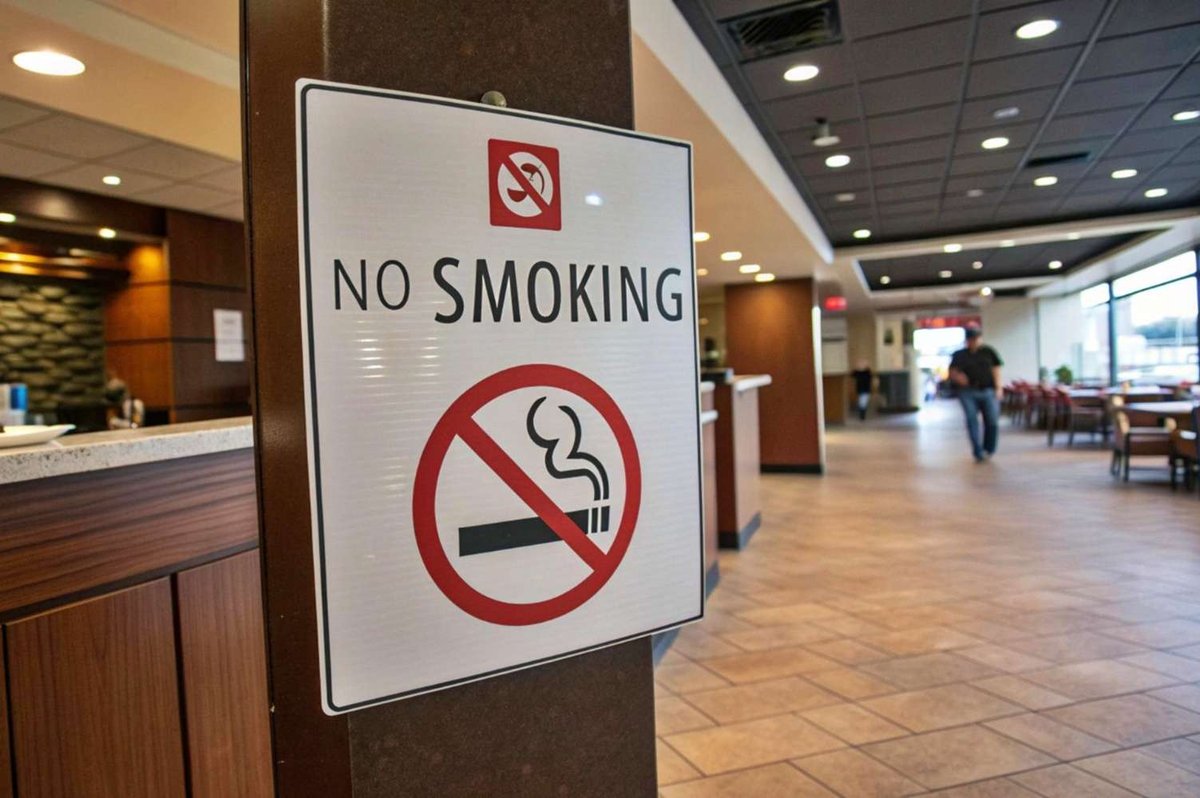
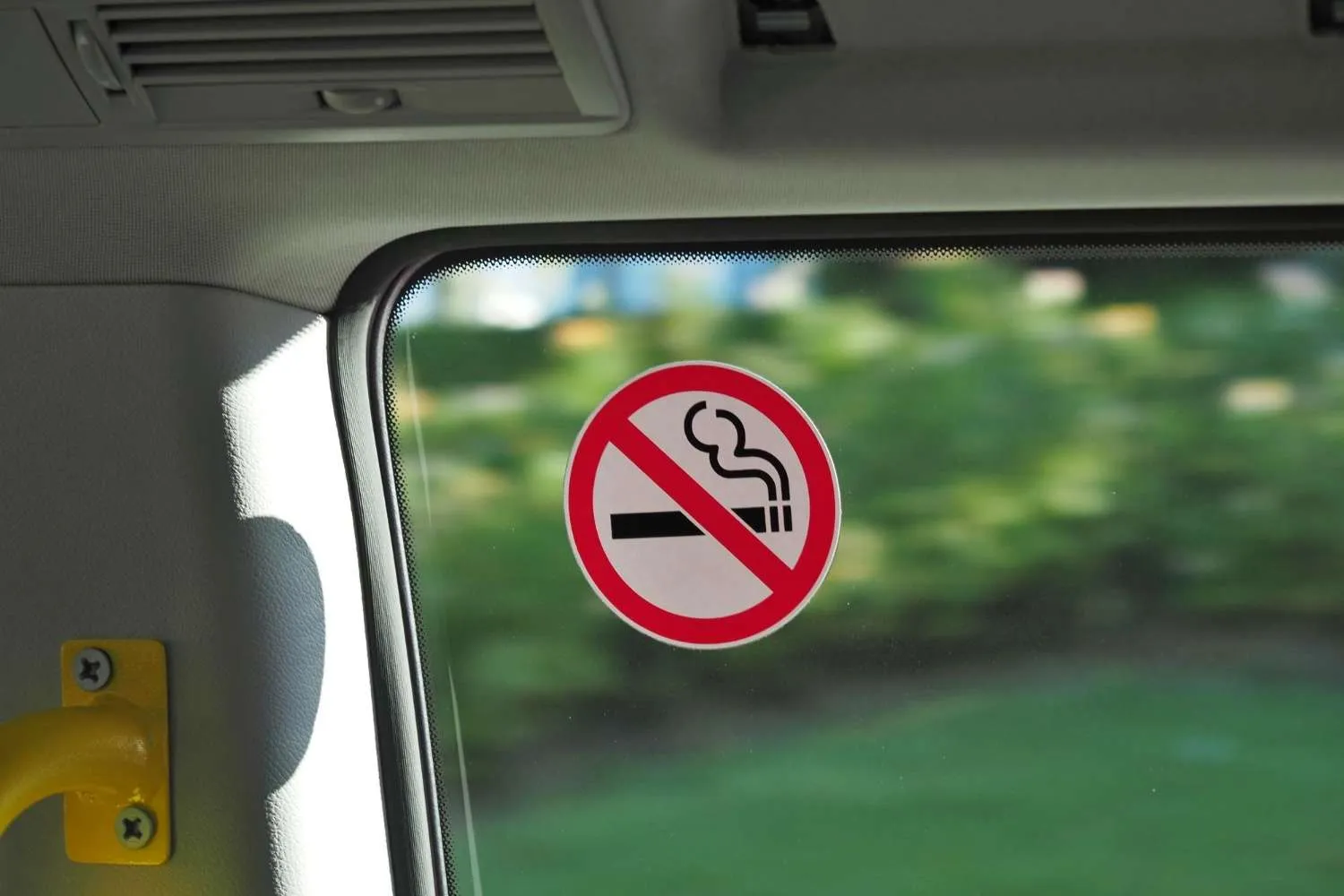
- Restaurants and bars: since 1 June 2004 smoking has been banned indoors at all restaurants, cafés and bars (Store norske leksikon).
- Premises and transport: smoking and e-cigarettes are banned in premises and means of transport and at outdoor entrances (Norwegian Directorate of Health).
- Children: smoking is banned in cars with children under 18, and selling tobacco to anyone under 18 is prohibited (Norwegian Directorate of Health).
More on the smoking rules: can you smoke in Norway?
Do you have to pay to use a toilet in Norway?
Often, yes. In Oslo many of the municipality’s public toilets cost NOK 5, and at stations and shopping centres it can cost up to NOK 20. Have a card or your phone ready. Opening hours vary, and several of the municipal toilets are accessible for wheelchair users (overview of public toilets in Oslo, checked 25.09.2026).
What are the emergency numbers in Norway?
110 for fire, 112 for police and 113 for ambulance. The out-of-hours medical service (legevakt) is 116 117. What to do in an emergency: emergency numbers in Norway.
Public toilets in central Oslo
The cards show address and opening hours. All of them: public toilets in Oslo.
Public toilets in central Oslo


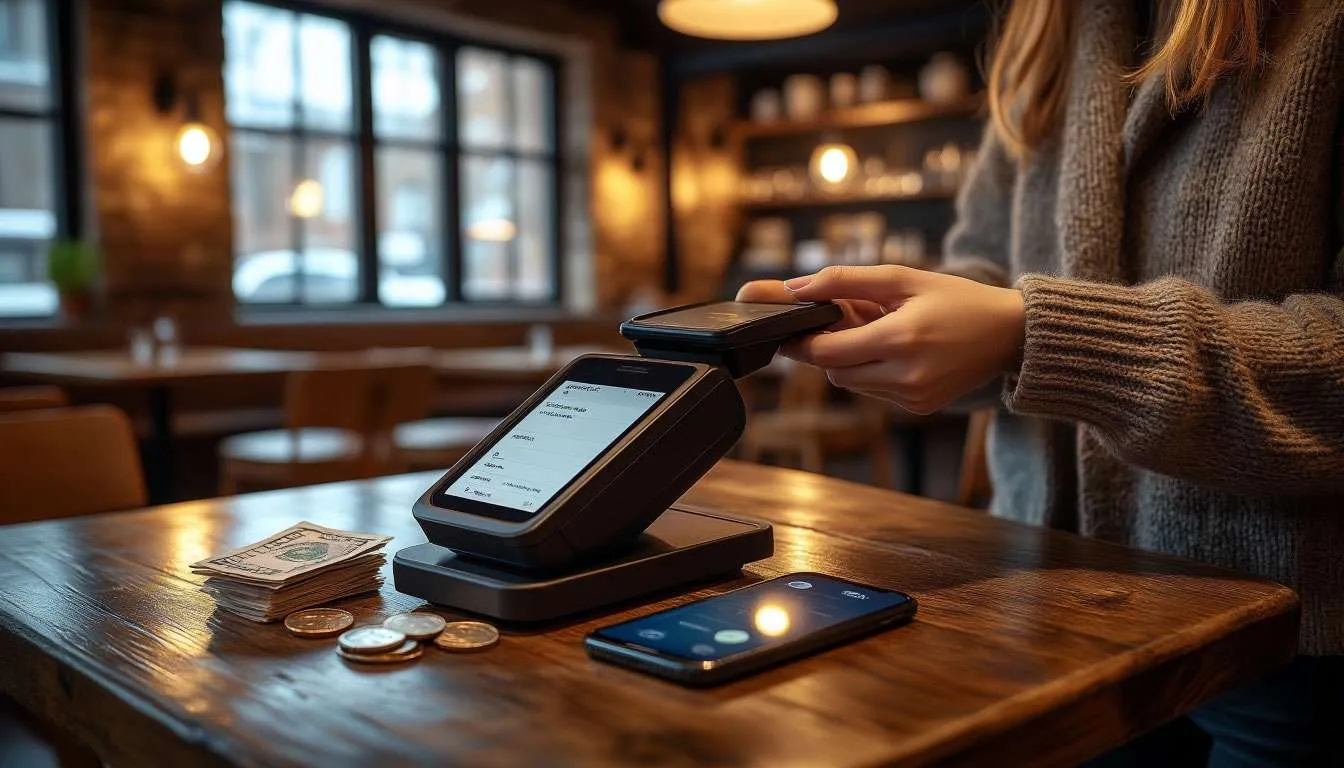
Photos: practical Norway

People also ask
- What plugs are used in Norway?
- Do I need an adapter for Norway?
- Can you drink tap water in Norway?
- What is pant in Norway?
- How much is the deposit on bottles in Norway?
- Is it customary to tip in Norway?
- Is service included in the price?
- Can you smoke in restaurants in Norway?
- Are public toilets free in Oslo?
- What is the emergency number in Norway?
Frequently asked questions about practical things in Norway
Type C and F, 230 V and 50 Hz. From the UK and the US you need an adapter (Electrical Safety First, checked 29.09.2026).
Yes. About 99.7 per cent of the population get drinking water of satisfactory hygienic quality (Mattilsynet, annual report 2024).
NOK 2 up to 0.5 litres and NOK 3 above 0.5 litres (Infinitum, checked 29.09.2026).
No, tipping is optional. It is most common at restaurants and bars (Store norske leksikon).
All prices must include VAT and public charges (Price Information Regulations § 3). A tip comes on top if you want to give one, and you decide the amount.
No, not indoors. The ban has applied to all restaurants and bars since 1 June 2004, and it covers e-cigarettes too (Store norske leksikon; Norwegian Directorate of Health).
Many municipal toilets cost NOK 5, and at stations and shopping centres up to NOK 20 (our overview, checked 25.09.2026).
110 fire, 112 police, 113 ambulance. Out-of-hours doctor (legevakt): 116 117.
Sources
All links checked 29.09.2026.
- Electrical Safety First: travel adaptor for Norway
- WorldStandards: plugs and voltage in Norway
- Mattilsynet: safe drinking water (annual report 2024)
- Infinitum: what can be returned for deposit?
- Store norske leksikon: tips (updated 14.06.2026)
- Lovdata: Price Information Regulations for goods and services
- Store norske leksikon: røykeloven (updated 06.08.2026)
- Norwegian Directorate of Health: smoking ban (updated 12.05.2026)
- Norwegian Directorate of Health: no tobacco sales to under-18s
Readers’ experiences
What surprised you most on your trip to Norway? Write in the comments at the bottom of the page. We use your experiences when we update this guide.


2 comments
Log in to leave a comment
Vet dere om vanlige adaptere fra Europa fungerer overalt i Norge, eller er det steder hvor man trenger noe spesielt? ⚡