


Emergency numbers in Norway: 110, 112, 113 and 116 117 – who to call and what to do if something happens
Updated 26.09.2026. Facts checked against the Norwegian Directorate for Civil Protection (DSB), Helsenorge, the police, Norsk Luftambulanse and Visit Norway.
Short answer: Call 113 for acute illness or injury, 112 when you need the police and 110 for fire. The out-of-hours medical service (legevakt) is on 116 117 (free). The police switchboard for non-urgent matters is 02800, and the Poisons Information Centre answers around the clock on +47 22 59 13 00. Norway is a safe country, but the weather can change quickly out in nature.
Emergency numbers at a glance
| Number | When | Source, checked |
|---|---|---|
| 113 | Medical emergency: life-threatening illness or injury, ambulance | DSB, Helsenorge, 26.09.2026 |
| 112 | Police – when it is urgent | DSB, police, 26.09.2026 |
| 110 | Fire and rescue | DSB, 26.09.2026 |
| 116 117 | Out-of-hours doctor (legevakt) when your GP is unavailable and you cannot wait; free to call | Helsenorge, 26.09.2026 |
| 02800 | Police switchboard – when it is not urgent | Police, 26.09.2026 |
| +47 22 59 13 00 | Poisons Information Centre, open 24/7 | Helsenorge, 26.09.2026 |
What applies to you?
- Someone is seriously ill or injured: call 113 immediately.
- You need a doctor, but it is not life-threatening: see legevakt 116 117.
- Something has been stolen or you have lost something: see theft and loss.
- You are going hiking in the mountains: see the mountain code and the Hjelp 113 app.
110, 112 and 113: which emergency number do you call?
In Norway each emergency service has its own emergency centre: 110 for fire, 112 for police and 113 for health (DSB). If in doubt, call the number that fits best – the centres can alert each other, and in serious incidents several services can join the same call.
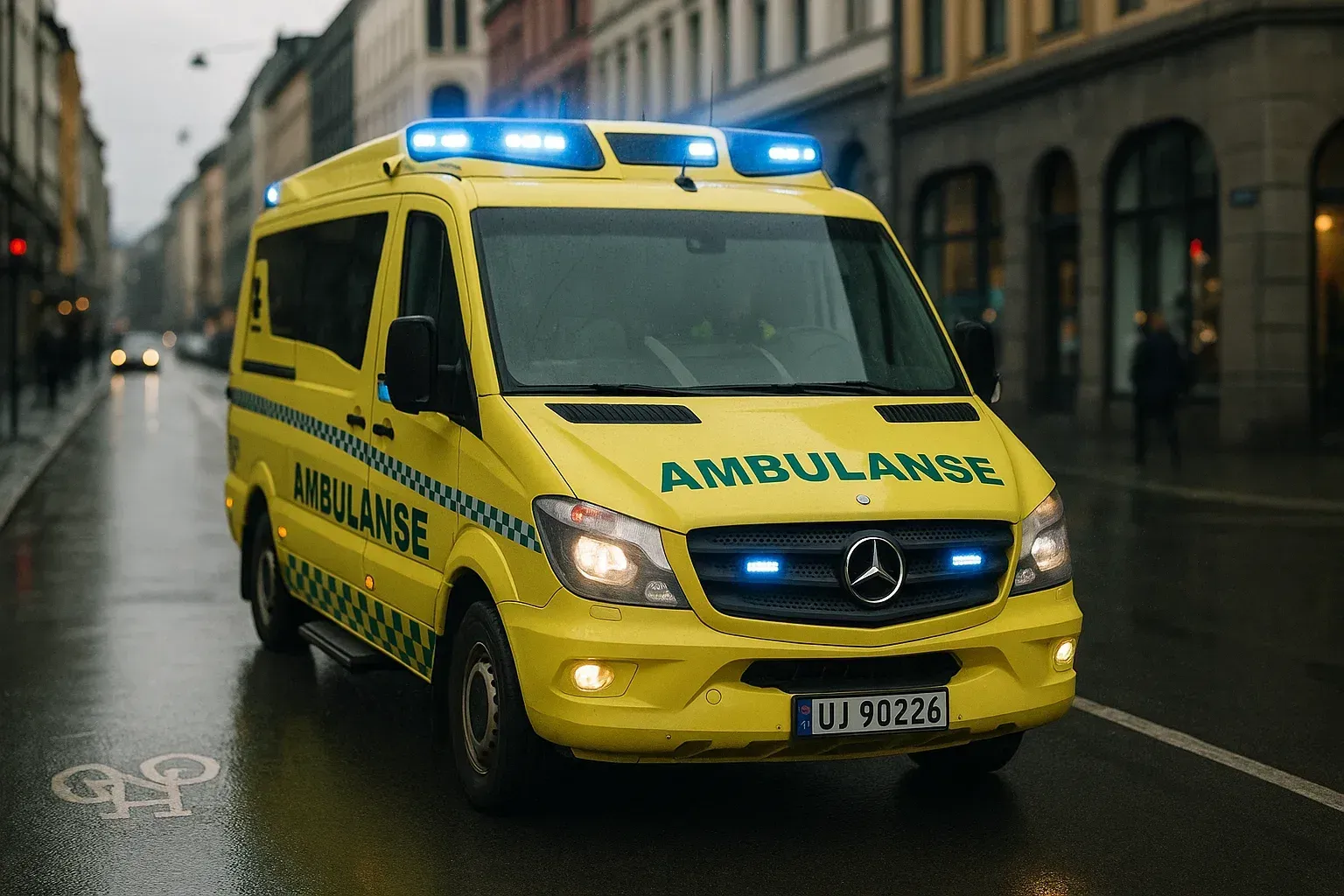
Call 113 for example for paralysis in the face or arm, speech problems, sudden loss of balance, unconsciousness or chest pain lasting more than five minutes (Helsenorge).
If you are deaf, hard of hearing or speech-impaired, you can send an emergency SMS to the emergency centres, but your mobile number must be registered in advance (DSB, nodsms.no). Calling is still the fastest.
Legevakt 116 117: when it is not life-threatening
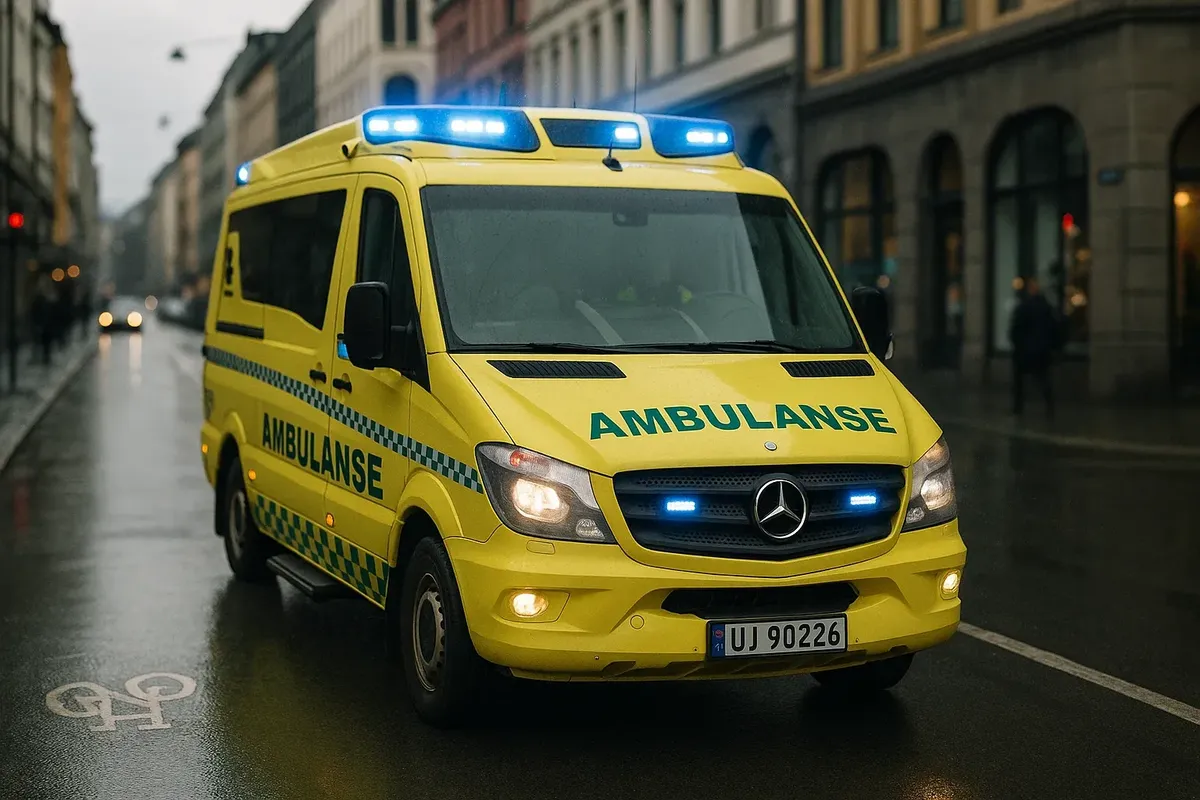
Call 116 117 to reach your nearest out-of-hours medical centre when your GP is unavailable and you cannot wait – for example with high fever, moderate breathing difficulties, acute illness, a suspected fracture or a cut that needs stitches. The call is free (Helsenorge). What the legevakt and doctors cost, and how tourists get help, is in our guide to healthcare in Norway.
Does an ambulance cost money?
According to Ung.no (the state information channel for young people, 27.03.2024), being picked up by an ambulance is free; if you are treated at an outpatient clinic without being admitted, a user fee may apply. If you are a tourist, costs depend on whether you are covered by the EHIC or travel insurance – see healthcare for tourists.
The police: 112, 02800 and police stations
Call 112 when it is urgent. When it is not urgent, call the police switchboard on 02800 (police, checked 26.09.2026). Opening hours differ from station to station – find your nearest police and their opening hours at politiet.no/finn-ditt-politi. Public offices in your city are also in our directory.
Theft or loss: how to report it
You can report theft, vandalism, burglary and fraud online at politiet.no – you need to log in. If you cannot report online, you can do it in other ways, including at a police station (police, checked 26.09.2026). If you have lost something, check the police lost property service. If you lose your passport, also contact your country's embassy or consulate – addresses in Oslo are in our directory.
Is Norway safe for tourists?
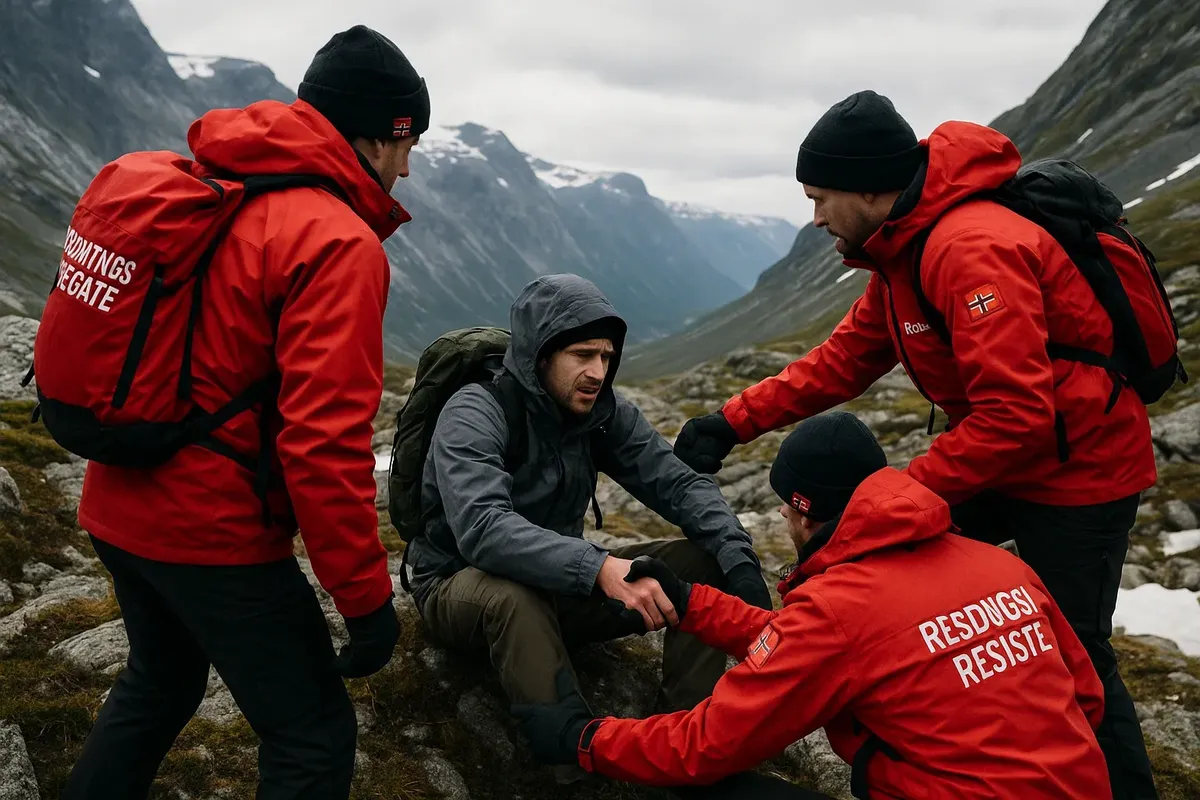
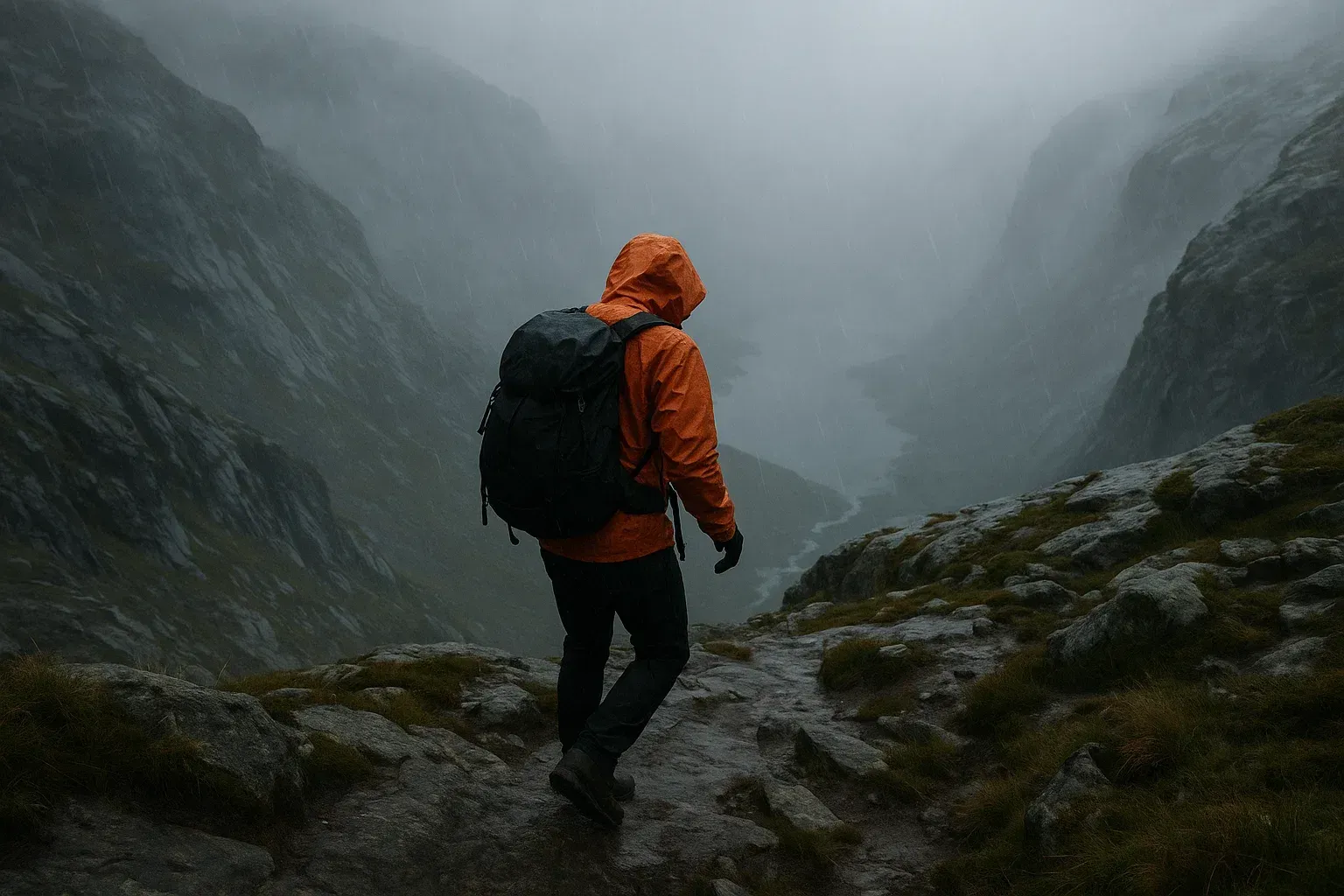
"Norway is very safe, but nature can be harsh and the weather unpredictable," says Visit Norway. The UK government notes a small risk of petty theft, particularly at airports and railway stations in and around Oslo (GOV.UK, updated 11.08.2026). Always check the weather forecast before you set off, whether you are driving, hiking or going out in a boat (Visit Norway).
The mountain code: nine rules for the mountains
- Plan your trip and inform others about the route you have selected.
- Adapt the planned routes according to ability and conditions.
- Pay attention to the weather and the avalanche warnings.
- Be prepared for bad weather and frost, even on short trips.
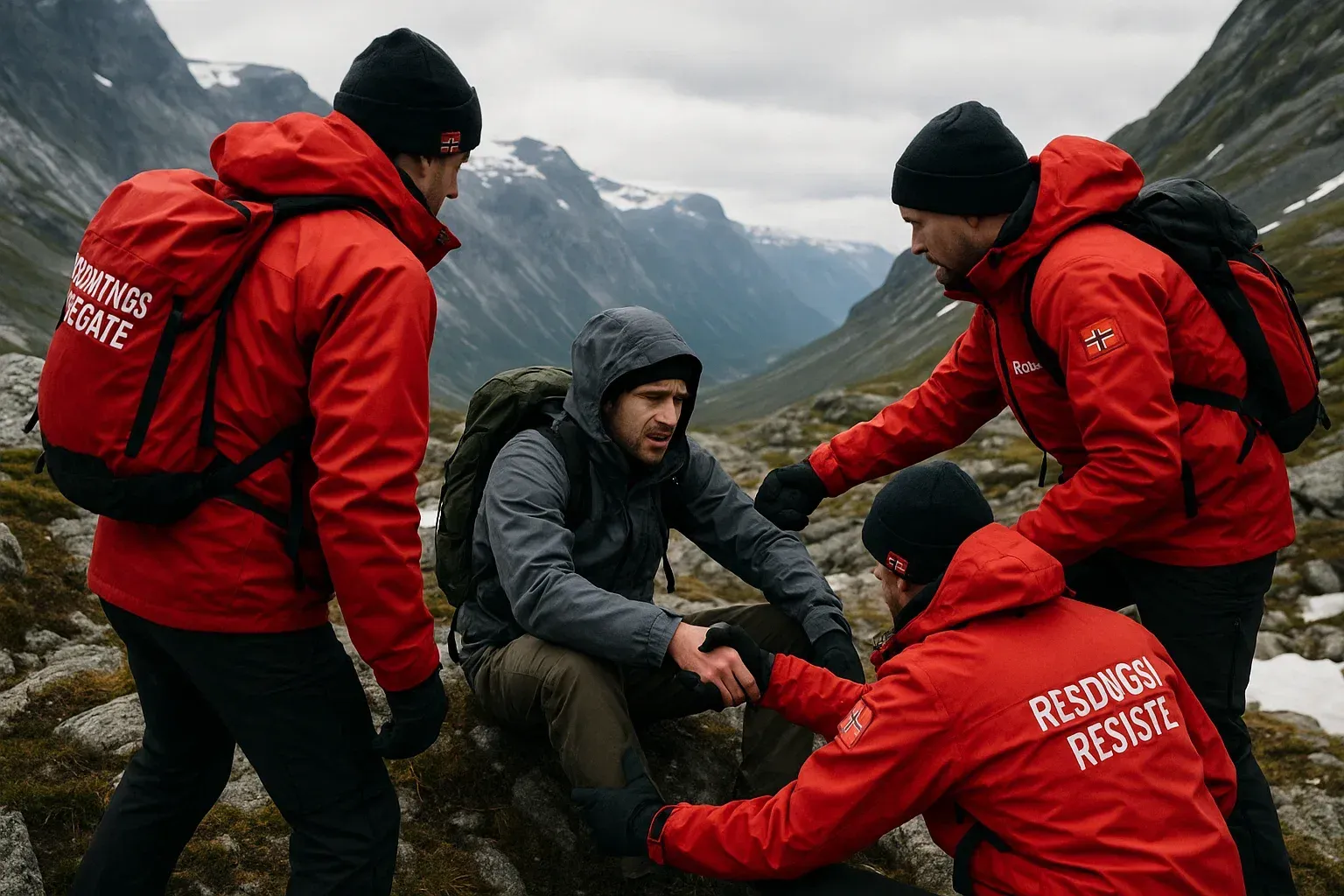
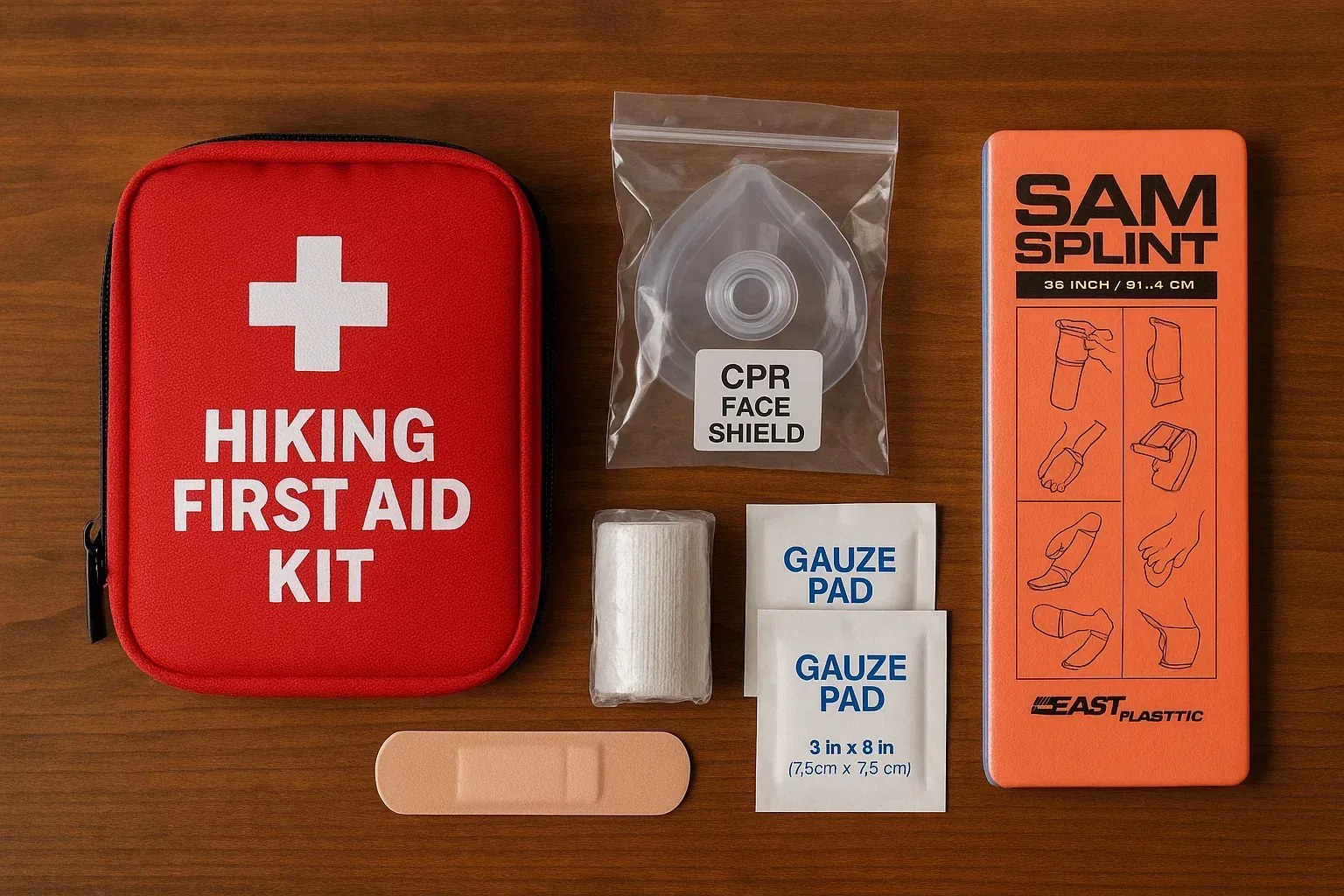
- Bring the necessary equipment so you can help yourself and others.
- Choose safe routes. Recognise avalanche terrain and unsafe ice.
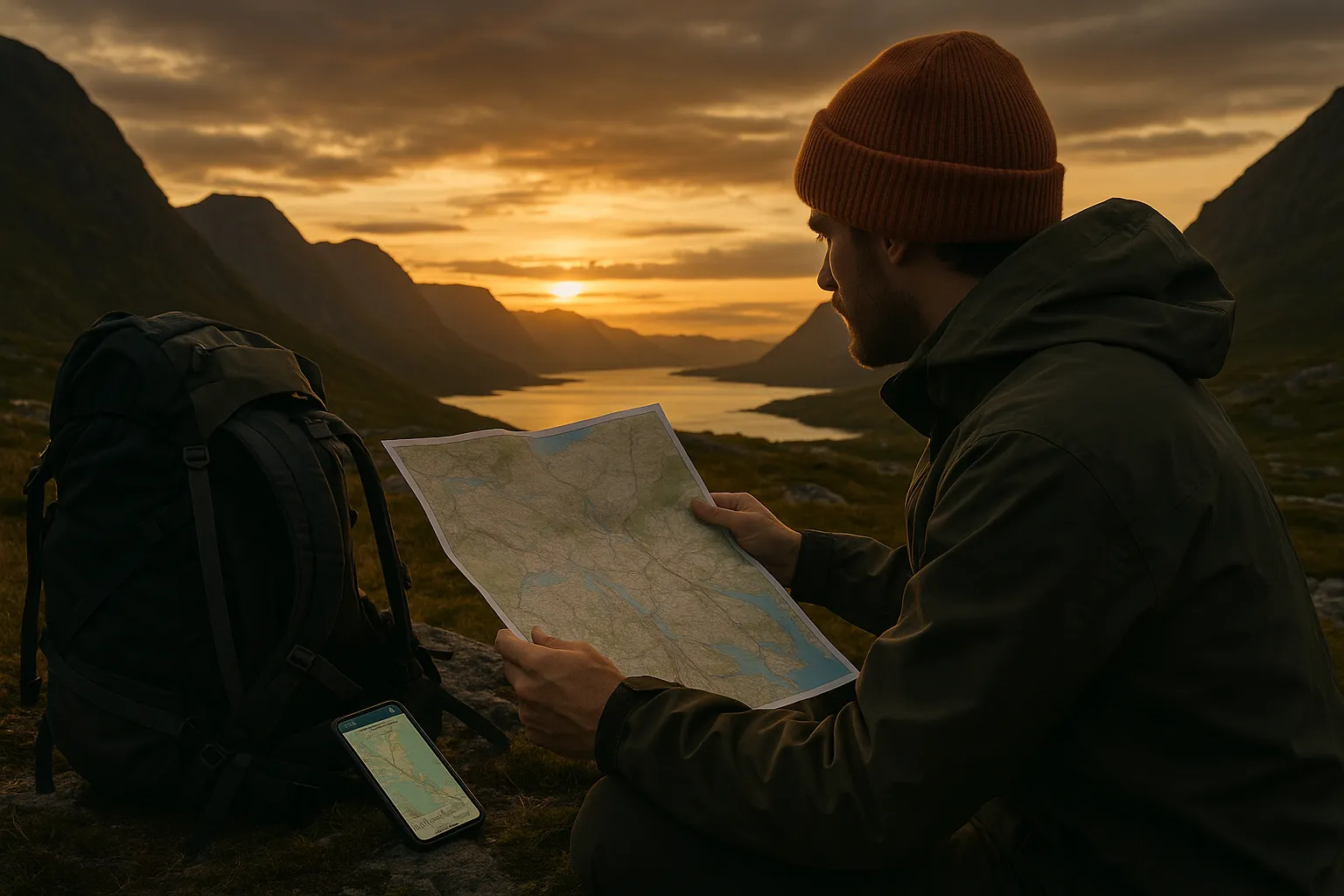
- Use a map and a compass. Always know where you are.
- Don't be ashamed to turn around.
- Conserve your energy and seek shelter if necessary.
Source: the Norwegian mountain code (Fjellvettreglene) as published by Visit Norway (checked 26.09.2026). More: first aid on the trail.
The Hjelp 113 app and offline maps
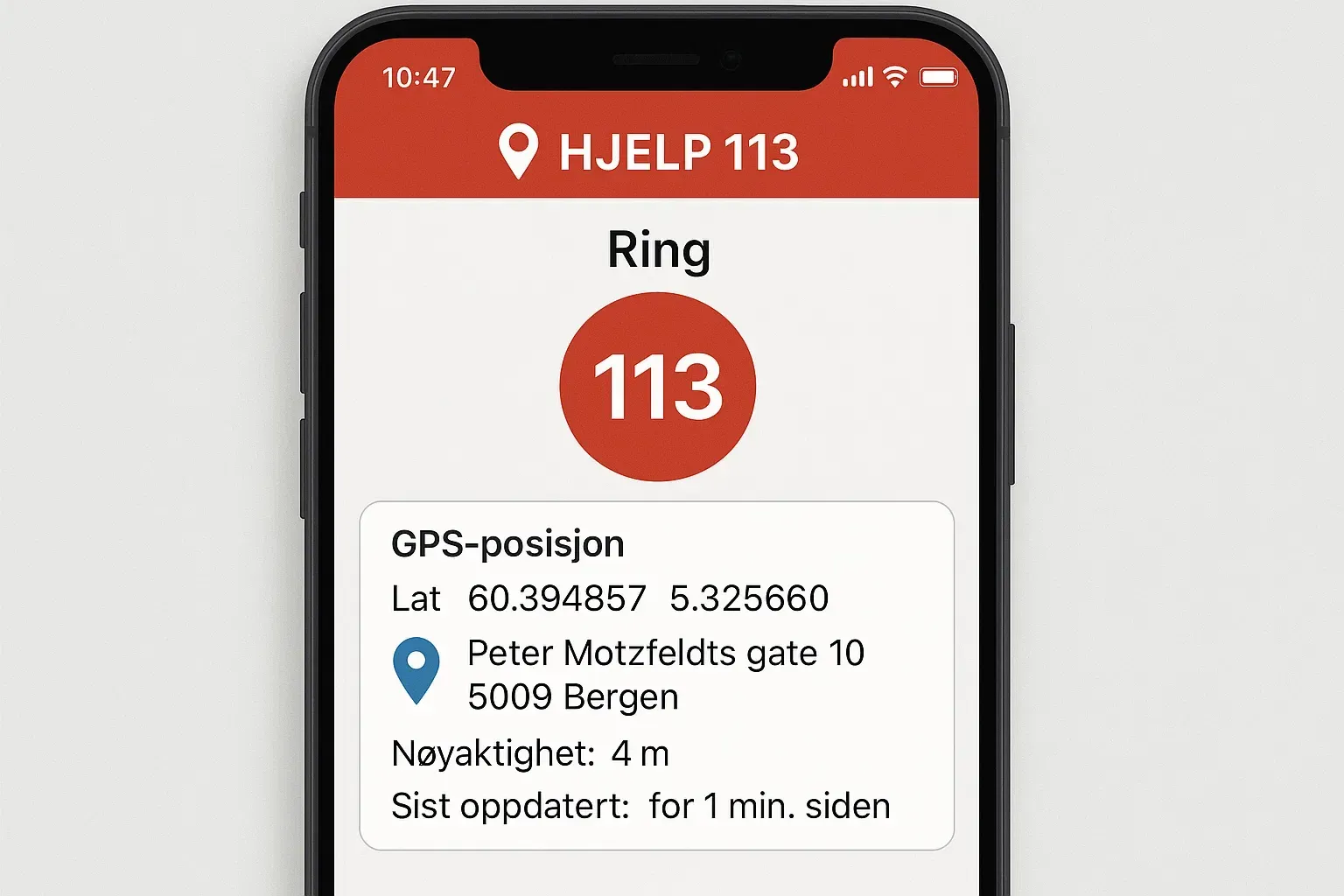
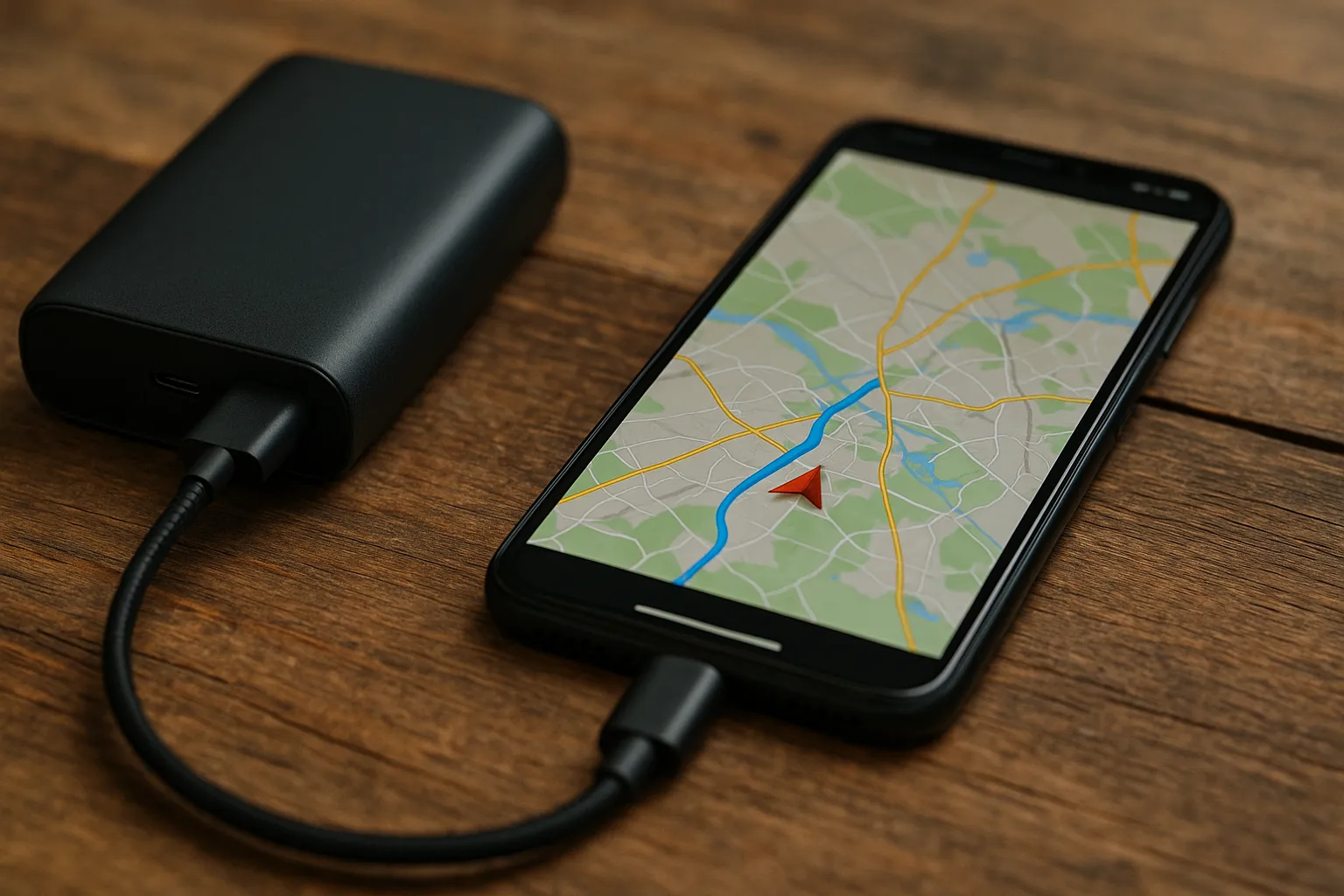
The Hjelp 113 app from Norsk Luftambulanse shows your coordinates, helps you call the right emergency service and sends your position to the emergency centre when you call. It also shows defibrillators. The app is free for iPhone and Android; abroad it suggests 112 (Norsk Luftambulanse, updated 26.02.2026).
Download maps of the area before your trip so you can navigate without coverage, and bring a power bank. On mobile coverage in the mountains: 5G coverage and mobile in Norway.
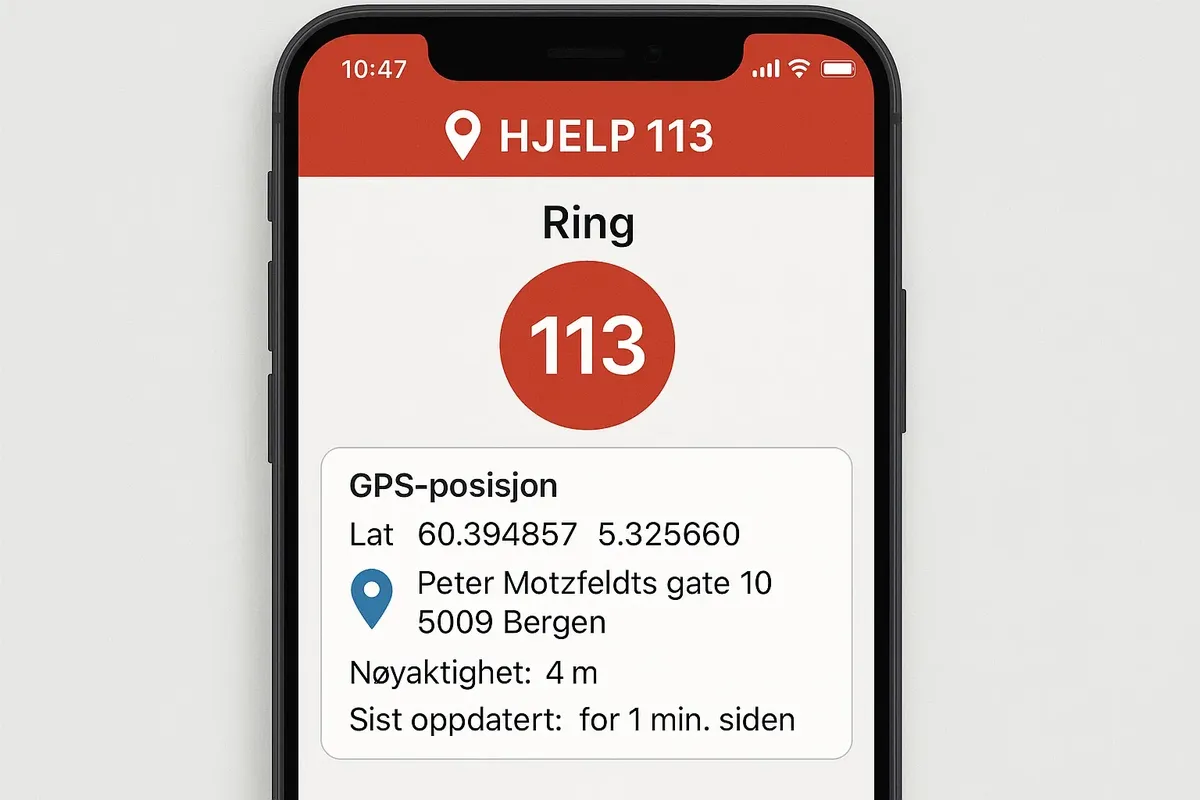
Video: why the Hjelp 113 app matters (Norsk Luftambulanse, 0:43, in Norwegian)
Hospitals, pharmacies and public offices in your city
| City | Hospitals and A&E | Pharmacies | Public offices and police |
|---|---|---|---|
| Oslo | Hospitals and A&E | Pharmacies | Public offices and police |
| Bergen | Hospitals and A&E | Pharmacies | Public offices and police |
| Trondheim | Hospitals and A&E | Pharmacies | Public offices and police |
| Stavanger | Hospitals and A&E | Pharmacies | Public offices and police |
| Tromsø | Hospitals and A&E | Pharmacies | Public offices and police |
| Kristiansand | Hospitals and A&E | Pharmacies | Public offices and police |
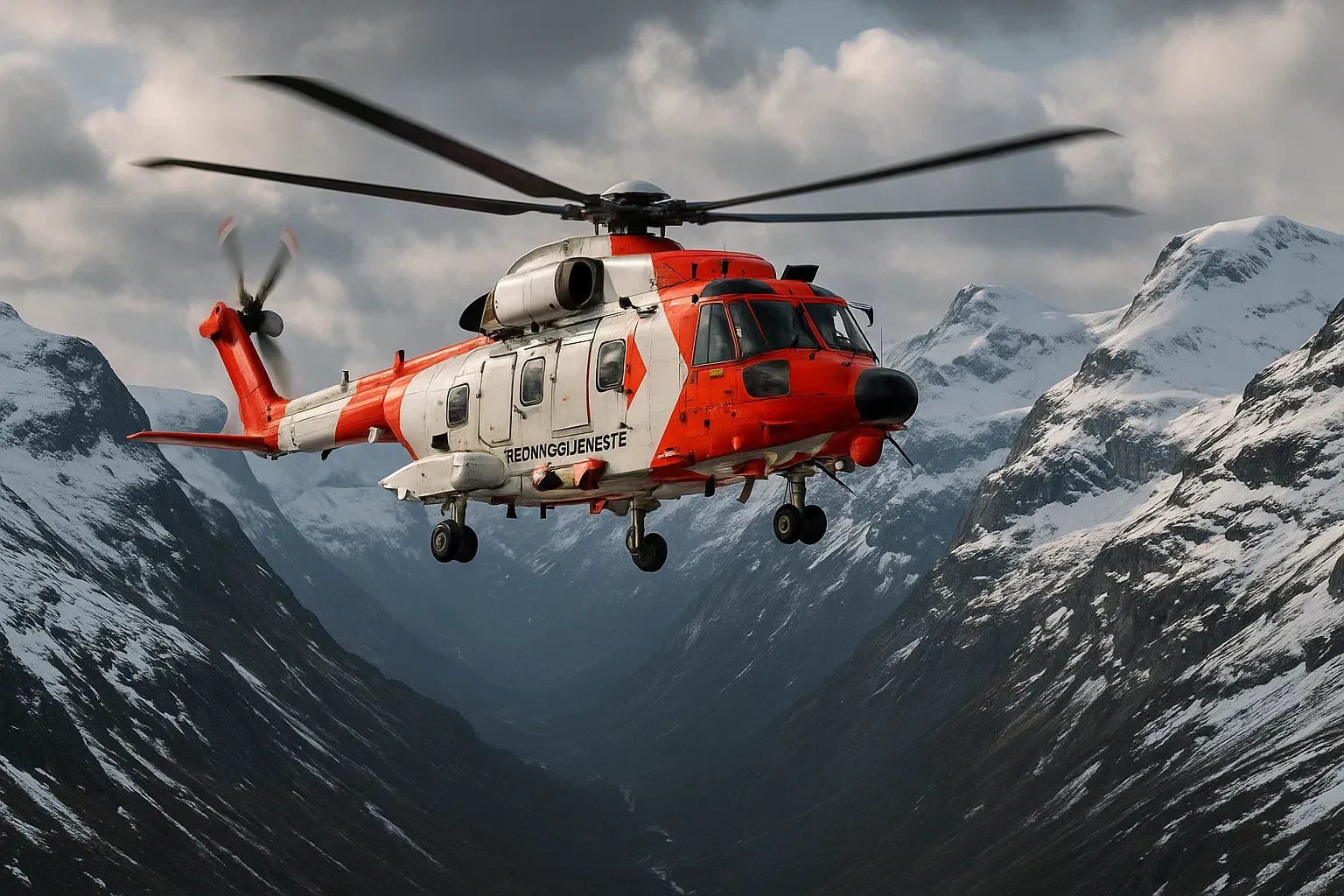
Photos: emergency help, rescue and hiking
People also ask
- What is the emergency number in Norway?
- Which number do I call for an ambulance?
- What is the difference between 110, 112 and 113?
- Can I text the emergency number?
- What is the number for the out-of-hours doctor?
- Is it free to call 116 117?
- How much does an ambulance cost in Norway?
- What is the police phone number?
- When do police stations open and close?
- How do I report a theft?
- What do I do if I lose my passport in Norway?
- Is Norway safe to travel to?
- Is Norway safe for solo female travellers?
- What is the Norwegian mountain code?
- How do I send my position to the emergency centre?
- What is the number for poison information?
Frequently asked questions about emergency numbers and safety in Norway
There are three: 110 fire, 112 police and 113 medical emergency (DSB).
113.
116 117. The call is free, and you reach your nearest legevakt (Helsenorge).
02800, the police switchboard. In danger or for a crime in progress: 112.
According to Ung.no, being picked up by an ambulance is free. Tourists should have the EHIC or travel insurance.
+47 22 59 13 00 – open around the clock (Helsenorge).
Online at politiet.no (you need to log in) or at a police station.
Yes, by emergency SMS, but the mobile number must be registered in advance (DSB).
Yes. Visit Norway says Norway is very safe, but nature can be harsh and the weather unpredictable.
Hjelp 113 from Norsk Luftambulanse: it shows your coordinates and sends your position when you call the emergency number. It is free.
Sources
All links checked 26.09.2026.
- DSB: the emergency dispatch service (110, 112, 113)
- DSB: emergency SMS
- Helsenorge: out-of-hours medical service (116 117)
- Helsenorge: Norwegian Poisons Information Centre
- Police: call the police
- Police: report a crime
- Ung.no: is ambulance transport free? (27.03.2024)
- Norsk Luftambulanse: the Hjelp 113 app
- Visit Norway: safe travel
- Visit Norway: the mountain code
- GOV.UK: Norway – safety and security (11.08.2026)
Readers' experiences
Have you had to call the legevakt or an emergency number in Norway? How did it go, and what would you have liked to know beforehand? Tell us in the comments at the bottom of the page. We use your experiences when we update this guide.


1 comment
Log in to leave a comment