


What is fastelavn, and what are fastelavnsboller?
The days before Lent, the cream buns and the decorated birch twigs.
Short answer
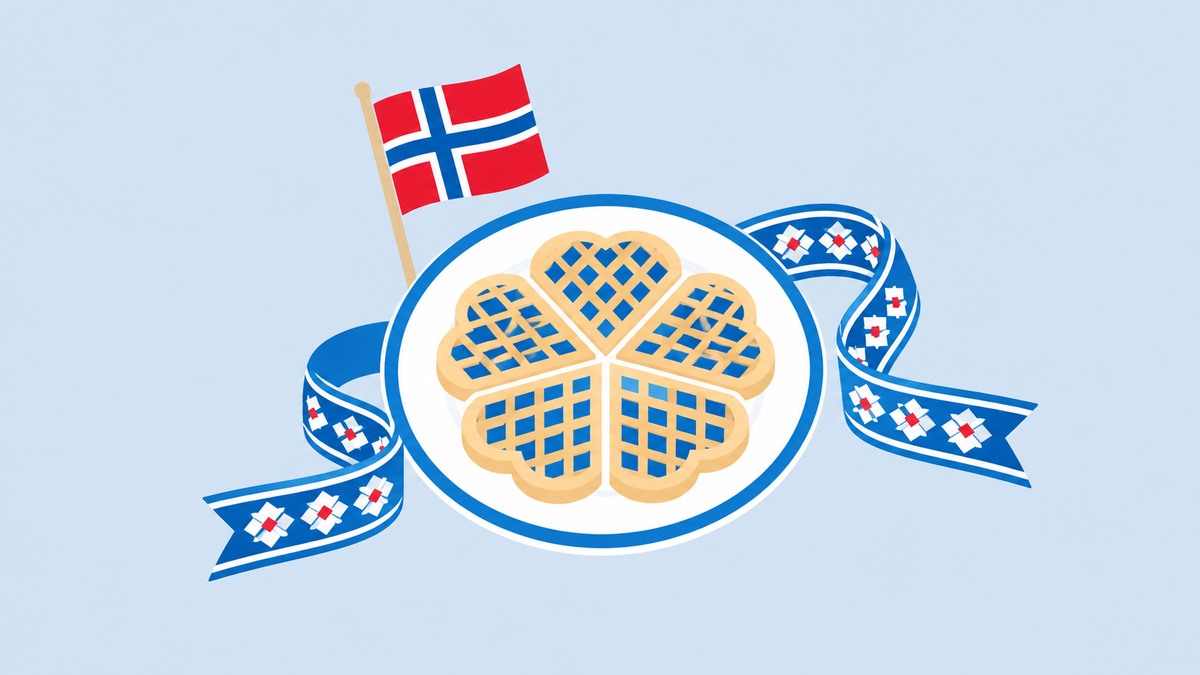
Fastelavn marks the start of the fast before Easter, and fastelavnsboller are wheat buns filled with whipped cream and jam, usually eaten on fastelavnssøndag in February or March. The word means ‘the evening before the fast’. Fastelavnssøndag falls between 1 February and 7 March, depending on the date of Easter.
Why
- SNL explains that fastelavn first meant the evening before Ash Wednesday and later the three days fastelavnssøndag, blåmandag and feitetirsdag.
- Askeonsdag, the Wednesday after fastelavnssøndag, is the first day of Lent, so these days move with Easter (SNL).
- Norske Kvinners Sanitetsforening introduced fastelavnsris, decorated birch twigs, to Norway in 1946 and has sold them for good causes ever since.
Details
Feitetirsdag was traditionally a day of plenty, with dinners of meat, pork, kjøttmølje and rømmegrøt, while meals on blåmandag were meant to be meagre. Fasting was formally abolished in Norway at the Reformation, but some fastelavn customs survived. SNL notes that the celebration was mostly limited to the largest cities, especially Bergen.
Tip
If you see fastelavnsris for sale from Norske Kvinners Sanitetsforening, buying one supports good causes, as the sales have done since 1946.
What may differ
In Bergen, special fastelavnsboller called heitevegger were served warm with melted butter and sweetened milk (SNL).
People also ask
- When is fastelavn in Norway?
- What do Norwegians eat at fastelavn?
Sources
The date of fastelavn changes every year. Information checked on 20 October 2026.
Easter in Norway: dates, traditions and schedulesRelated questions
-
Can you take photos of people in Norway without asking?
Norwegian rules focus on sharing: if a person is the main subject, you need their consent before sharing the photo, while crowds, such as a 17 May parade, are exceptions.
-
What unwritten rules should you follow in Norwegian nature?
Visit Norway sums up the main rules as being considerate and thoughtful: leave no rubbish or other traces, close gates behind you and respect domestic and wild animals.
-
How do you queue in Norway, and what is a queue ticket (kølapp)?
You wait your turn in line or take a kølapp, a slip that Bokmålsordboka describes as showing your number in a queue in a shop or similar place.
-
Is it rude to ask Norwegians about their salary, religion or politics?
Oslo kommune's guide for newcomers says religion is considered a private matter in Norway and that dwelling on your own success or wealth is generally not well received.