



20 places in Norway for your first trip: what to see
Share
Save
Norway is long. From Oslo to the North Cape it is more than 2,000 kilometres by road, and nobody sees everything in one trip. So we have grouped the 20 places that most often top the wish list into four regions: Oslo, the fjords and western Norway, the mountains and central Norway, and northern Norway. At the end you get three ready-made routes for 5, 7 and 10–14 days. Once you land, From Oslo Airport to the city gets you moving, and the practical side is covered in the Norway travel handbook.
All 20 places at a glance
| # | Place | Region | Best time | Time needed |
|---|---|---|---|---|
| 1 | Oslo | Eastern Norway | all year | 2–3 days |
| 2 | Bergen and Bryggen | Western Norway | May–September | 1–2 days |
| 3 | Flåm Railway and Nærøyfjord | Western Norway | all year | 1 day |
| 4 | Geirangerfjord | Western Norway | May–September | 1 day |
| 5 | Preikestolen | Rogaland | April–October | 4 hours |
| 6 | Trolltunga | Hardanger | June–September | 7–10 hours |
| 7 | Kjerag | Rogaland | June–September | 1 day |
| 8 | Hardangerfjord | Western Norway | May (fruit blossom)–September | 1–2 days |
| 9 | Ålesund | Møre og Romsdal | May–September | 1 day |
| 10 | Trollstigen | Møre og Romsdal | summer, when the road is open | half a day |
| 11 | Atlantic Road | Møre og Romsdal | all year | half a day |
| 12 | Stavanger | Rogaland | May–September | 1 day |
| 13 | Jotunheimen and Besseggen | Mountains | July–September | 1–2 days |
| 14 | Røros | Mountains | all year | 1 day |
| 15 | Trondheim and Nidaros Cathedral | Central Norway | all year | 1 day |
| 16 | Lofoten and Reine | Northern Norway | June–August, February–March | 3–4 days |
| 17 | Tromsø and the northern lights | Northern Norway | September–March for aurora | 2–3 days |
| 18 | Senja | Northern Norway | June–September | 1–2 days |
| 19 | North Cape | Northern Norway | June–August | 1 day |
| 20 | Svalbard | Arctic | March–August | 3–4 days |
Times are a guide and do not include travel between places.
Oslo: the capital on the fjord
1. Oslo. Most trips start here. Walk on the roof of the Opera House by the water, see The Scream at the Munch Museum, stroll through Vigeland Park with more than 200 sculptures, and take the boat to Bygdøy with the Fram Museum, Kon-Tiki and the Norwegian Folk Museum. The Oslo Pass gives free entry to many museums and public transport. See Oslo in our directory, museums in Oslo and Free things to do in Oslo.
The fjords and western Norway
2. Bergen and Bryggen. The old Hanseatic wharf with its colourful wooden houses is on the UNESCO World Heritage List. Take the Fløibanen funicular up Mount Fløyen for the view, and use the city as a base for fjord trips. See Bergen in our directory and Free things to do in Bergen.
3. The Flåm Railway and Nærøyfjord. The Flåm Railway runs 20 kilometres from Myrdal down to Flåm, dropping 866 metres in about an hour. Combine it with a boat on the narrow Nærøyfjord to Gudvangen, the way "Norway in a nutshell" does. See What is Norway in a nutshell? and Is the Flåm Railway worth it?.
4. Geirangerfjord. Together with Nærøyfjord, Geirangerfjord is on the UNESCO list, with the Seven Sisters and the Suitor waterfalls. From 1 January 2026, passenger ships under 10,000 gross tons must run emission-free in the World Heritage fjords, while larger ships face the requirement from 2032. See How to get to Geirangerfjord and Which fjords are on the UNESCO list?.
5. Preikestolen. The mountain plateau 604 metres above Lysefjord is one of Norway’s most visited hikes. It is 8 kilometres return and takes about four hours. 6. Trolltunga. The rock ledge near Odda is much longer: 20 kilometres return from the P3 Mågelitopp car park and 7–10 hours, or 27 kilometres from P2. 7. Kjerag. The Kjeragbolten boulder, wedged between two cliff walls at the end of Lysefjord, is for experienced hikers. See How long does Preikestolen take?, How long is the Trolltunga hike? and Kjerag: difficulty and season.
The hikes are longer than they look on Instagram
Trolltunga is rated extra demanding, and a guide is recommended outside the summer season. Many rescues involve tourists in trainers and cotton clothes. Start early, check the weather and parking the night before, bring food, water, a windproof jacket and a head torch, and turn back if the weather turns.
8. Hardangerfjord. Orchards, cider and the Vøringsfossen waterfall; in May the fruit trees blossom along the fjord. 9. Ålesund. The Art Nouveau town rebuilt after the fire of 1904; climb the 418 steps up Aksla. 10. Trollstigen. The hairpin road between Valldal and Åndalsnes is only open in summer. 11. The Atlantic Road. The road hops from islet to islet over the sea between Molde and Kristiansund. 12. Stavanger. Old Stavanger with white wooden houses and the Petroleum Museum, and the gateway to Lysefjord. See Hardangerfjord from Bergen, Ålesund, When does Trollstigen open?, The Atlantic Road and Stavanger.
The mountains and central Norway
13. Jotunheimen and Besseggen. Northern Europe’s highest mountains, and the Besseggen ridge between a green and a blue lake, make Norway’s classic mountain hike. 14. Røros. The old copper-mining town with wooden houses and slag heaps is on the UNESCO list and just as beautiful in winter. 15. Trondheim and Nidaros Cathedral. The largest medieval cathedral in the Nordic countries, the colourful wharves along the Nidelva river and the Old Town Bridge. See How hard is Besseggen?, Jotunheimen: the best hikes and Trondheim in our directory.
Northern Norway and the Arctic
16. Lofoten and Reine. Red fishermen’s cabins under jagged peaks, white beaches and stockfish on wooden racks; in summer there is the midnight sun. 17. Tromsø. One of the best cities in the world for the northern lights from September to March, with the Arctic Cathedral and the Fjellheisen cable car. 18. Senja. Norway’s second-largest island, with jagged mountains and fewer people than Lofoten. 19. The North Cape. The cliff 307 metres above the Barents Sea; the true northernmost point is the neighbouring headland of Knivskjellodden. 20. Svalbard. The polar bears’ archipelago is outside Schengen, so check the rules in Entering Norway first. See Best time for Lofoten, When can you see the northern lights in Tromsø?, Tromsø in our directory, Is the North Cape worth the trip? and How to get to Svalbard.
Three routes for your first trip
Choose a route by the number of days you have. In summer you can fit in more because it is light almost around the clock; in winter the days are short in the north, but that is when the northern lights appear.
Ready-made routes
Whatever the route: book the Flåm Railway, fjord boats and parking for the big hikes well in advance in summer. When to travel is covered in When is the best time to visit Norway?. Tour operators and guides are in our directory of travel companies in Bergen and in Tromsø, and museums in Bergen, Trondheim and Tromsø.
Frequently asked questions about what to see in Norway
Oslo, Bergen, the Flåm Railway with Nærøyfjord and Geirangerfjord are the classics. With more time, add Preikestolen, Lofoten or Tromsø.
At least five days for Oslo and the fjords, seven for a road trip in western Norway, and 10–14 days if you also want to go north.
About four hours return. The hike is 8 kilometres and suits most people of normal fitness.
20 kilometres return and 7–10 hours from P3 Mågelitopp, or 27 kilometres and 8–12 hours from P2 Skjeggedal.
From September to March in northern Norway, for example in Tromsø, Lofoten and Senja, when it is dark and clear.
Yes. Trains, the Flåm Railway and fjord boats cover Nærøyfjord and Sognefjord, and day trips to several fjords leave from Bergen.
Among them are Bryggen in Bergen, Røros and the West Norwegian Fjords with Geirangerfjord and Nærøyfjord.
Sources
The main sources we checked the facts against (last checked 26 November 2026).
- Visit Norway: Hiking to Preikestolen
- Trolltunga: The hike to Trolltunga
- Norway’s Best: Flåm Railway technical information
- Government: Zero-emission requirements in the World Heritage fjords
- Norwegian Maritime Authority: Zero-emission requirement adopted
- UNESCO: West Norwegian Fjords
- UNESCO: Bryggen
- UNESCO: Røros Mining Town
- Fjord Norway: Preikestolen
Share
Save

Read also
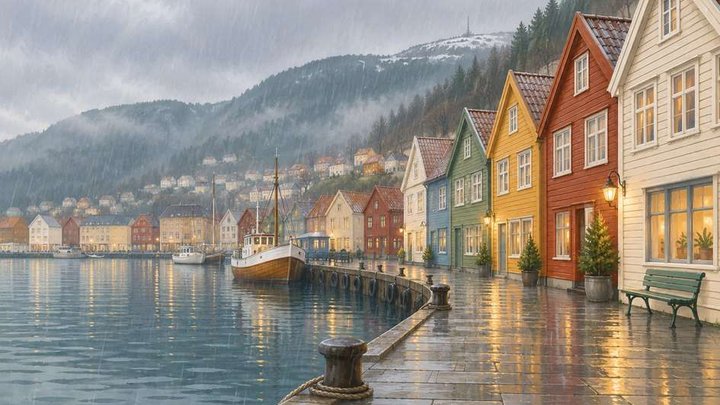
Bergen in January 2027: Bryggen, museums and winter days
Plan three days in Bergen with Bryggen, Kode and Fløyen. Find a practical rhythm for winter weather, museums, airport travel and short walks.
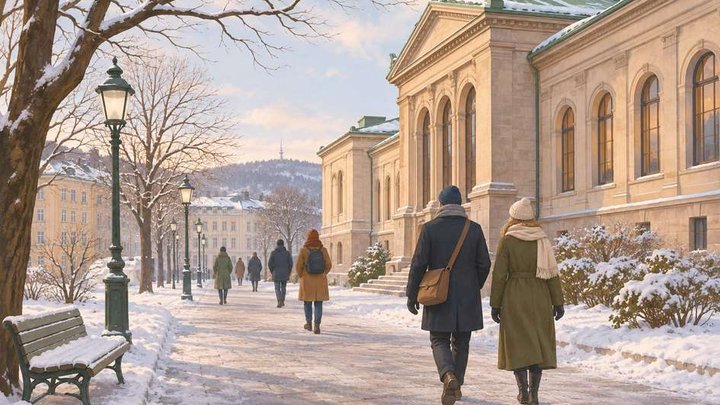
Oslo in January 2027: three days of city walks and museums
Explore Bjørvika, MUNCH, the National Museum and short winter walks. Plan transport, indoor alternatives and opening for your January dates.

Pepperkakebyen in Bergen 2026/27: tickets and opening hours
Visit Pepperkakebyen in Bergen in 2026/27: find byROMMET, ticket prices, free admission, Christmas hours and access with a wheelchair or pushchair.
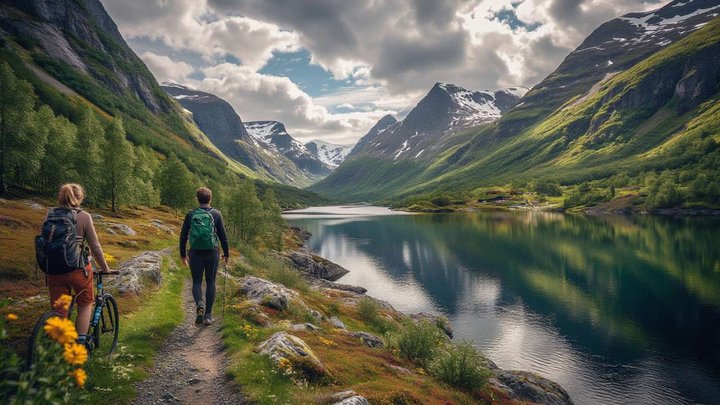
♻️ Norway's eco-routes: where to start
A guide for eco-travellers in Norway: Ronda hiking trails with minimal impact, zero emissions on Nærøyfjord (electric ferry), Rallarvegen cycle route (Haugastø…
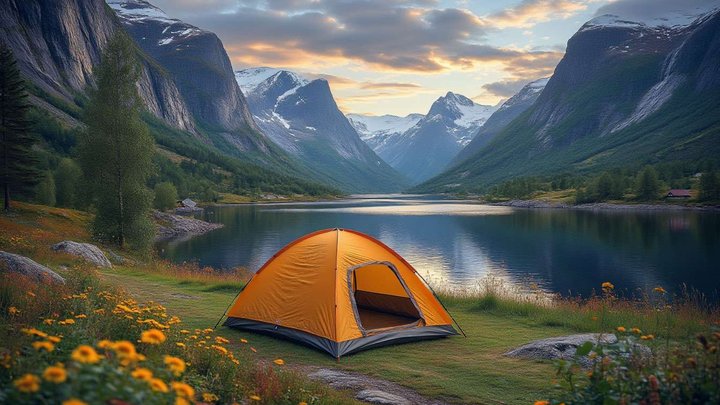
🏕️ Budget route with a tent: Oslo → Hardangervidda → Bergen → Nærøyfjord
How to travel around Norway on a budget with a tent: a step-by-step route from Oslo to Hardangervidda to Bergen to Nærøyfjord, the best car camping destination…

🎣 Top 3 regions for fishing excursions
Guide to fishing trips in Norway: where to catch cod, halibut, mackerel, salmon and trout. Top 3 regions (Lofoten, Hardanger, Trøndelag), best sea excursions (…
0 comments
Log in to leave a comment