



Which plants can you see in Norway, and how can you identify them?
Share
Save
In brief: Do not make flowering plants an essential part of a winter itinerary in Norway: the main wildflower season is summer. Start with mountain avens, heather and spring pasqueflower, and check species by their scientific names. Below are ten plants to observe, without a promise of finding them all in one place. Norwegian Botanical Association: Norway's wildflowers and Artsdatabanken: Pulsatilla vernalis, checked 3 November 2026.
When and where can you observe Norwegian plants?
The coast, forests, mountains and Arctic territories have different vegetation. Altitude, snow and season matter, so the same date does not mean the same flowering stage along an entire route. The botanical association places peak flowering in June, July and August. Norwegian Botanical Association: Norway's wildflowers (3 November 2026).
In winter, you can prepare a species list and compare photographs to recognise plants on a later walk. For an overview of other nature topics, use the flora and fauna section. If choosing a walk with children, first select a suitable route, for example using the guide to visiting Rondane as a family, and add plant observations according to actual conditions.
Which ten plants can you start with?
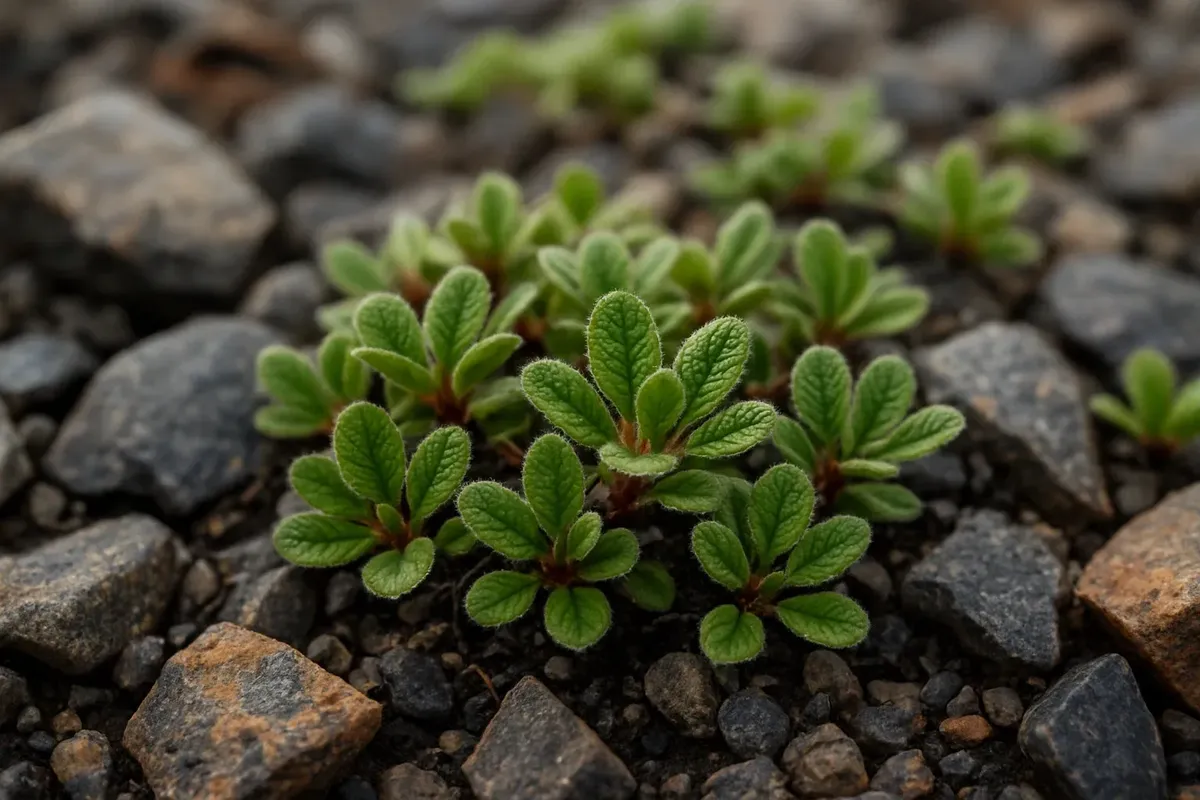
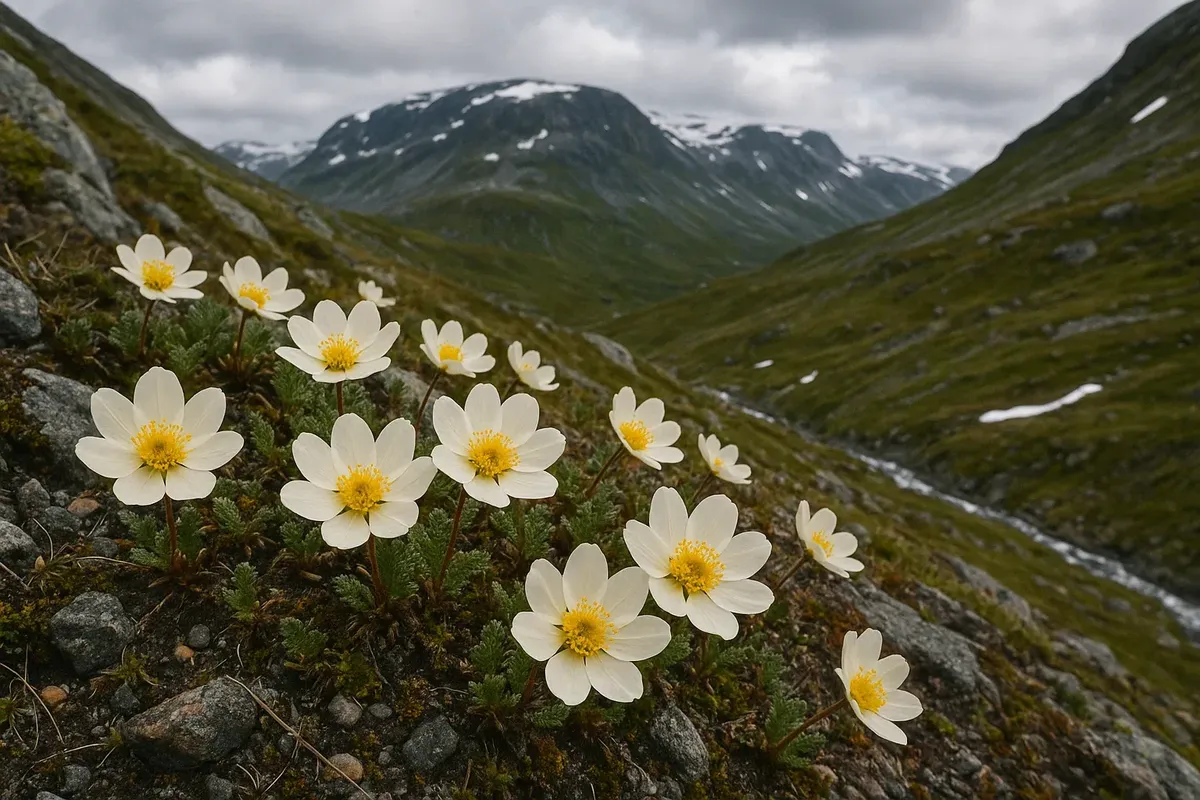
The table includes flowering plants, shrubs and pine. It is a selection for getting to know the flora, not a ranking or guide to edibility. Each scientific link leads to a species profile with names and material for comparison.
| Common name | Norwegian (Bokmål) | Scientific name and source | What to look for |
|---|---|---|---|
| Polar willow | polarvier | Artsdatabanken: Salix polaris | A dwarf shrub; Arctic flora is not limited to flowers. |
| Mountain avens | reinrose | Artsdatabanken: Dryas octopetala | A mountain and Arctic species; compare both leaves and flowers. |
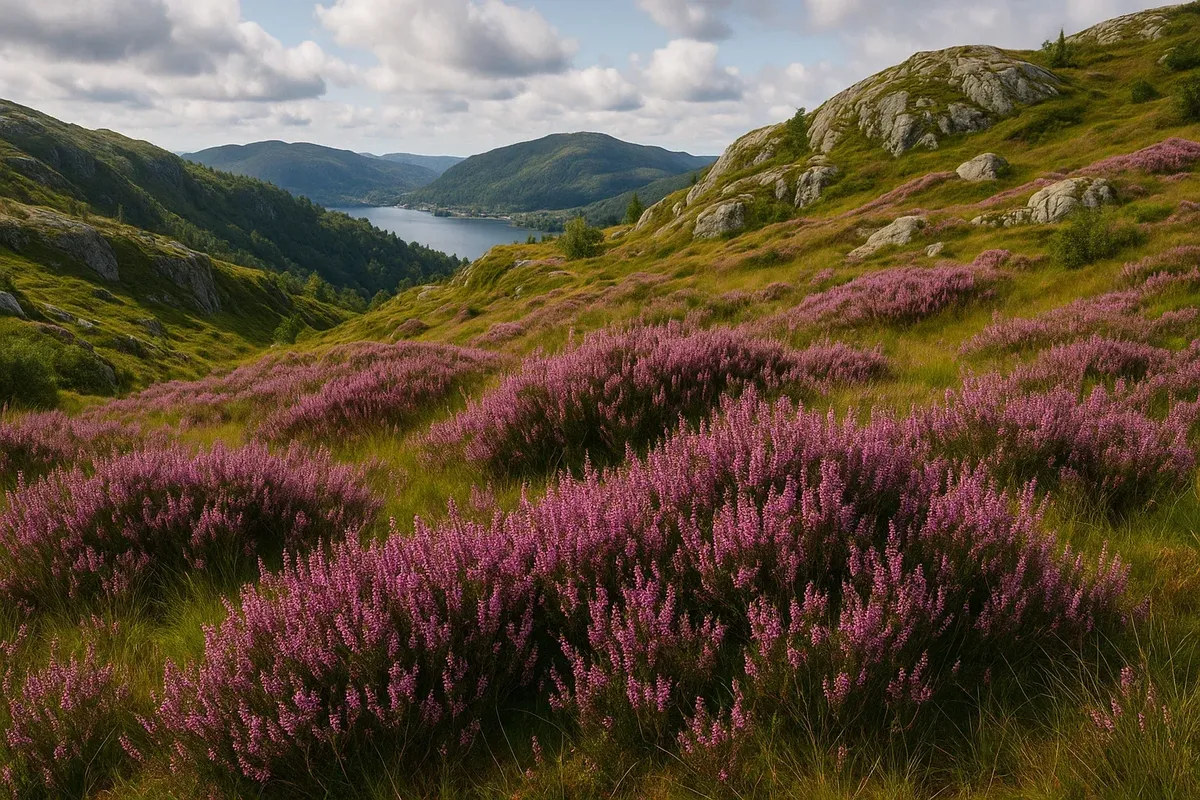
| Heather | røsslyng | Artsdatabanken: Calluna vulgaris | A low shrub; check the name, not just the colour of the ground cover. |
| Lapland rosebay | lapprose | Artsdatabanken: Rhododendron lapponicum | A mountain species; do not apply one area's observation to the whole route. |
| Bilberry | blåbær | Artsdatabanken: Vaccinium myrtillus | The Latin name helps distinguish it from other similar berry-bearing dwarf shrubs. |
| Cloudberry | molte | Artsdatabanken: Rubus chamaemorus | This is cloudberry, not lingonberry; check the whole plant when identifying it. |
| Scots pine | furu | Artsdatabanken: Pinus sylvestris | A conifer included as part of the flora, not as a wildflower. |
| Poppy known as Papaver radicatum | islandsvalmue | Artsdatabanken: Oreomecon radicata | The current profile lists Papaver radicatum as a synonym; do not apply this name to every Arctic poppy. |
| Marsh violet | myrfiol | Artsdatabanken: Viola palustris | Leaves and the plant's overall appearance help identification, not just one flower. |
| Spring pasqueflower | mogop | Artsdatabanken: Pulsatilla vernalis | An early-flowering native species; do not confuse it with Pulsatilla alpina. |
Names and taxonomic relationships checked 3 November 2026. A similar flower colour is not enough for identification: open photographs and a description of the whole plant.
Tip
Save the scientific name alongside the photograph. This makes Norwegian and English references easier to compare, even when common names differ.
How can you check a plant from photographs?
Photograph the whole plant, then the leaves, stem and flower if present. In Artsdatabanken: Artsorakel you can upload several pictures of the same plant and receive a suggested species. Then compare the result with the botanical profile and consult a specialist if uncertain (3 November 2026).
- Take an overall picture without trampling neighbouring plants.
- Add close-ups of different parts of the same plant.
- Open Artsorakel and start identification.
- Compare the suggested name with the Artsdatabanken profile.
- If the features do not match, leave the find unidentified and ask for clarification.
Important
Artsorakel can be wrong even with high confidence. It is not intended to determine whether a plant is poisonous or edible. Artsdatabanken: Artsorakel (3 November 2026).
To prepare for nature photography, use the nature photography guide. Clear details of the plant are especially useful for identification, rather than just a beautiful landscape.
Which names are easy to confuse?
Cloudberry, Rubus chamaemorus, is called molte in Norwegian. Lingonberry must not be labelled with the same Latin name. The Norwegian name for Dryas octopetala, mountain avens, is reinrose. Artsdatabanken: Rubus chamaemorus; Artsdatabanken: Dryas octopetala (3 November 2026).
Scientific names of mountain poppies can change. The profile for Oreomecon radicata, called islandsvalmue in Norwegian, lists Papaver radicatum as a synonym. Fjellvalmue refers to the subspecies Oreomecon radicata subsp. radicata. Do not confuse these with Papaver nudicaule. Check the profile and its taxonomic level before labelling an Arctic poppy. Artsdatabanken: Oreomecon radicata (3 November 2026).
Mogop, Pulsatilla vernalis, is an early-flowering native species. A general plan for a summer mountain walk may be too late to see it in flower. Artsdatabanken: Pulsatilla vernalis (3 November 2026).
Common mistake
Matching a plant to a name from one similar-looking picture. Check the scientific name, leaf shape and overall appearance; if uncertain, keep the caption neutral.
Can you pick flowers and berries?
On the mainland, general gathering rights in utmark, uncultivated countryside, come with a duty to care for plants. Leave protected and threatened species in place; additional rules apply in protected areas. Norwegian Environment Agency: gathering plants (3 November 2026). Access basics are explained in the guide to allemannsretten.
Do not apply mainland gathering rules to Svalbard: damaging or picking plants there is generally prohibited. Choose observation and photography for a tourist walk. Governor of Svalbard: flora rules (3 November 2026).
Example
A walker finds a plant resembling mountain avens. Instead of picking a bouquet, they photograph the leaves and flower, save the location and compare features with the botanical profile. This illustrates observation, not a confirmed identification of a particular find.
What should you prepare for a botanical walk?
- A route suited to the season and the group's abilities.
- A list of scientific names and profiles for species of interest.
- A phone or camera for plant details.
- Information on the natural area's rules.
- A willingness to leave a find unidentified if there are too few features.
If your trip includes more than plant observation, the guide to whales and wildlife can help you choose a separate activity; check availability against each season's conditions.
Questions and answers
The main flowering season is in summer, but timing depends on the area and altitude. For a winter trip, do not make flowers an essential part of the itinerary. Norwegian Botanical Association: Norway's wildflowers (3 November 2026).
Yes. Salix polaris, for example, is recorded in the Arctic flora. However, the mainland and Svalbard must be considered separately, including their local restrictions. Artsdatabanken: Salix polaris; Governor of Svalbard: flora rules (3 November 2026).
No, it is cloudberry, called molte in Norwegian. Use the scientific name and species profile to check it. Artsdatabanken: Rubus chamaemorus (3 November 2026).
Reinrose. It is mountain avens; check the name in the botanical profile rather than translating it literally. Artsdatabanken: Dryas octopetala (3 November 2026).
The current Oreomecon radicata profile lists Papaver radicatum as a synonym. Account for this relationship when comparing references. Artsdatabanken: Oreomecon radicata (3 November 2026).
Artsorakel suggests possibilities and can make mistakes. Do not use its answer as confirmation that a plant is edible or non-poisonous. Artsdatabanken: Artsorakel (3 November 2026).
General gathering rights in utmark have limits: protected and threatened plants should be left in place, and protected areas may have their own rules. Norwegian Environment Agency: gathering plants (3 November 2026).
For ordinary tourist observation, choose photography: a general ban on damaging and gathering plants applies. Scientific exceptions do not give tourists permission. Governor of Svalbard: flora rules (3 November 2026).
Sources
- Norwegian Botanical Association: Norway's wildflowers. Checked 3 November 2026.
- Artsdatabanken: Artsorakel. Checked 3 November 2026.
- Norwegian Environment Agency: gathering plants. Checked 3 November 2026.
- Governor of Svalbard: flora rules. Checked 3 November 2026.
- Artsdatabanken: Salix polaris. Checked 3 November 2026.
- Artsdatabanken: Dryas octopetala. Checked 3 November 2026.
- Artsdatabanken: Calluna vulgaris. Checked 3 November 2026.
- Artsdatabanken: Rhododendron lapponicum. Checked 3 November 2026.
- Artsdatabanken: Vaccinium myrtillus. Checked 3 November 2026.
- Artsdatabanken: Rubus chamaemorus. Checked 3 November 2026.
- Artsdatabanken: Pinus sylvestris. Checked 3 November 2026.
- Artsdatabanken: Oreomecon radicata. Checked 3 November 2026.
- Artsdatabanken: Viola palustris. Checked 3 November 2026.
- Artsdatabanken: Pulsatilla vernalis. Checked 3 November 2026.
Author: Ksenia. Updated 3 November 2026.
Share
Save

Read also
Where should you start with Norway's flora and fauna?
Choose a topic on Norway's animals, birds or plants: wildlife, seals, predators, bird migration and flora. Prepare for winter travel and nature visits.
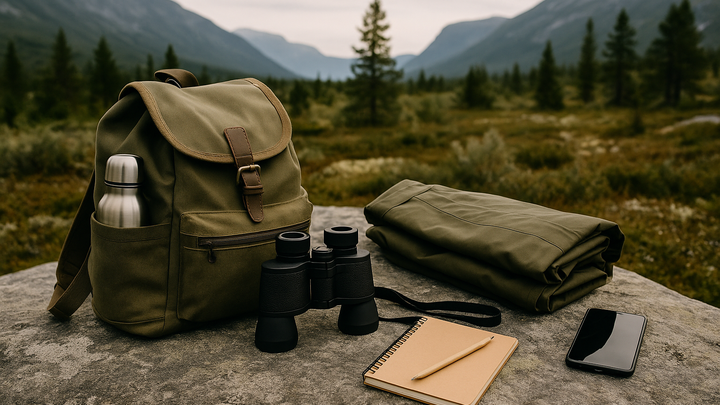
📝 How to prepare for wildlife watching in Norway: a useful checklist
🎒 Layered clothing, 8×42 binoculars, 100 m distance to moose. Save this list and travel the fjords comfortably, responsibly and without surprises. 🌍
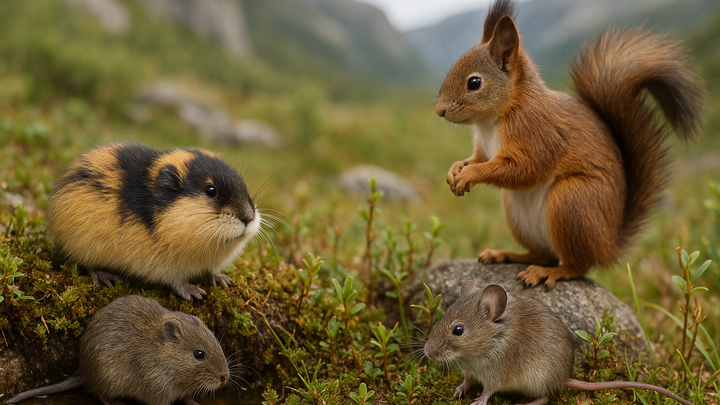
🖼️ Norway's miniature world: rodents that make the ecosystem unique
🌲 How beavers create swamps, lemmings feed golden eagles, and squirrels ‘sow’ the forest. Locations, observation times, and surprising facts for eco-tourists. 💡
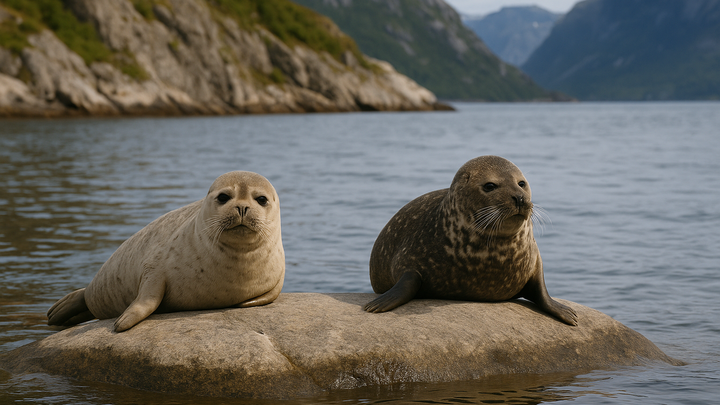
A trip to see Norwegian seals: where and how to get up close to these sea creatures 🌊
🌊 Lofoten, Vega, Spitsbergen: moulting season, boat tours, dress code to protect against splashes. Guaranteed encounters with grey and common seals.
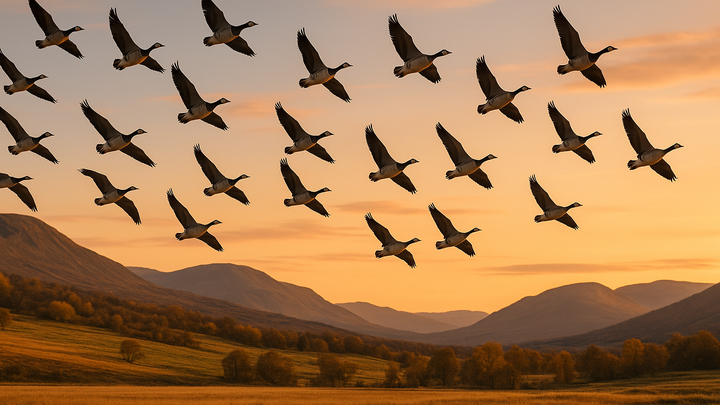
🕊️ Bird migration in Norway: a breathtaking natural spectacle
📸 Spring and autumn ‘waves’, Atlantic Flyway and Øyeren. Find out the exact times, observation points and photography techniques so you don't miss the show. ✨

📸 Through the lens of a wildlife photographer: 7 places in Norway for perfect animal shots
🐋 Dovre sheep, Runde puffins, Lofoten whales: coordinates, light and seasons. Grab your telephoto lens and fill your portfolio with dream shots. 🌄
2 comments
Log in to leave a comment
Hvilken av disse plantene har dere selv sett ute i naturen, og hvor var det? 🌼