



Whales, puffins and wildlife in Norway: where and when to see whales, seals and musk oxen?
Updated 27.09.2026. Facts checked against Visit Norway, Visit Tromsø and Store norske leksikon (the Norwegian encyclopedia).
Short answer: Your best chance of seeing whales in Norway is at Andenes in Vesterålen, where sperm whales can be seen all year because the deep sea is close to land. In winter, orcas and humpback whales follow the herring into the fjords around Skjervøy north of Tromsø, usually from November to January. You can see puffins on bird cliffs such as Runde, Røst, Bleiksøya and Lovund in summer, seals all along the coast and musk oxen on Dovrefjell.
Key facts
| Animal and place | When and what | Source, checked |
|---|---|---|
| Sperm whale, Andenes | All year; males grow to almost 18 m | Visit Norway, 27.09.2026; Store norske leksikon, updated 07.08.2026 |
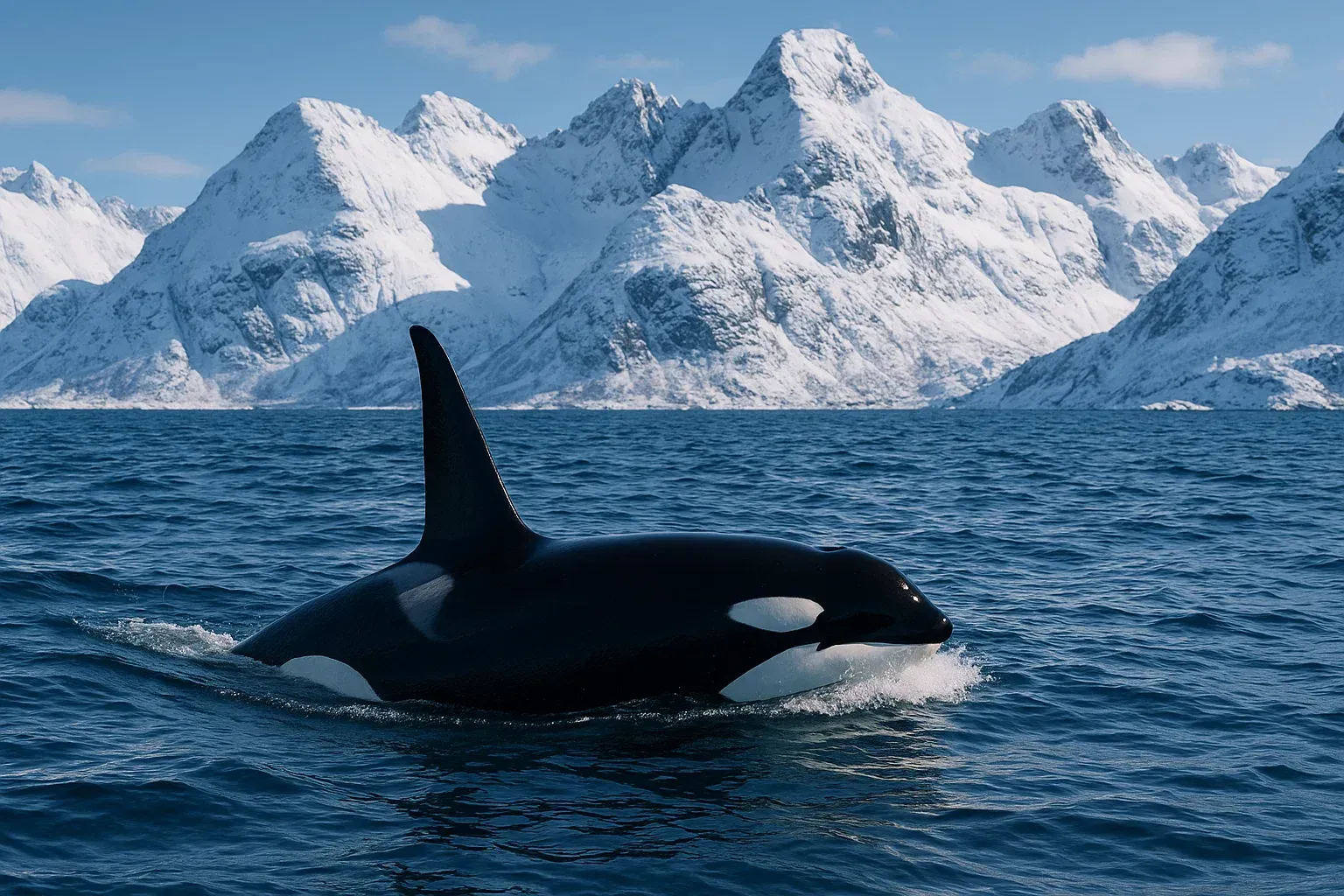
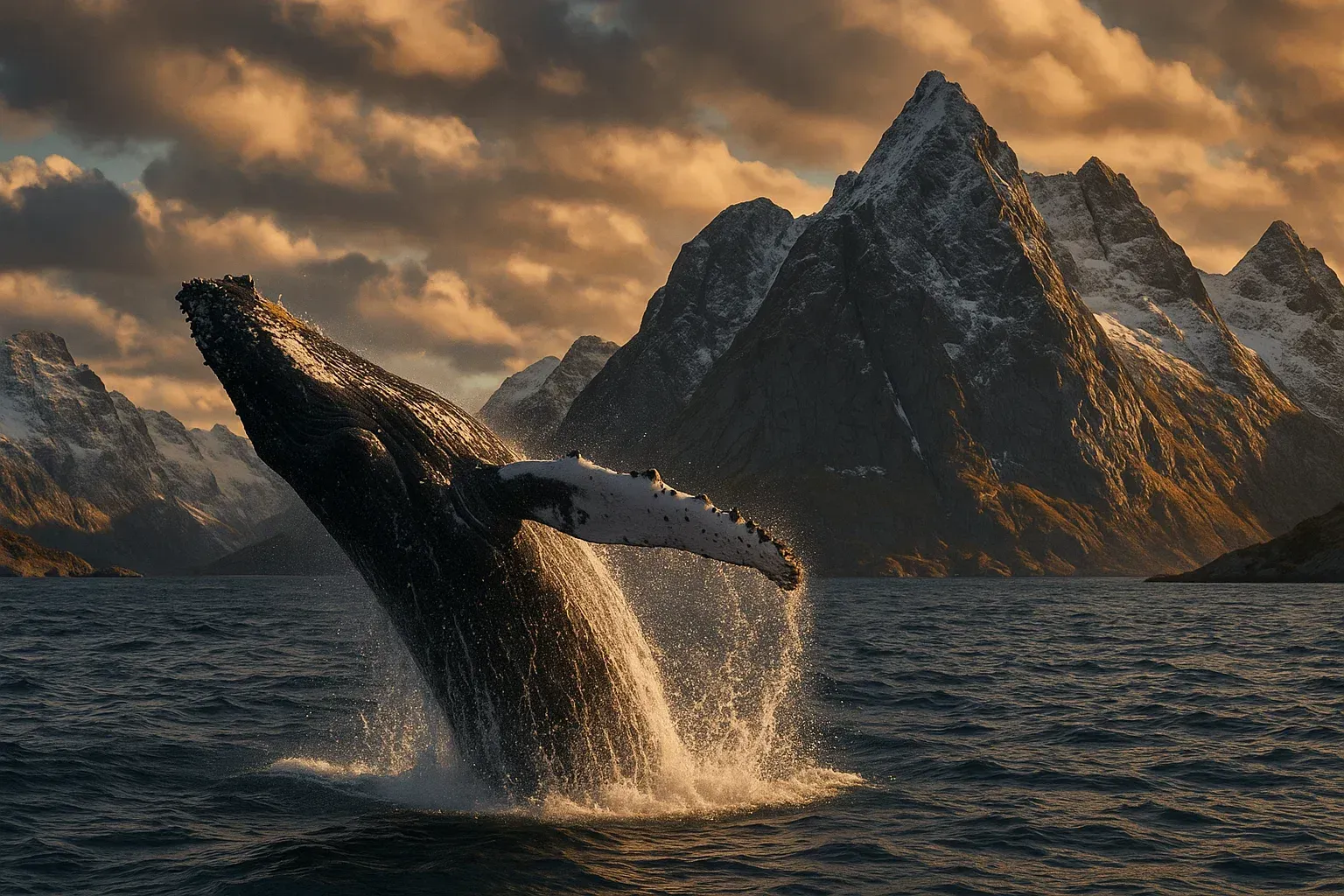
| Orca and humpback, Skjervøy and Kvænangen | Usually November–January, varies from year to year | Visit Tromsø, 27.09.2026 |
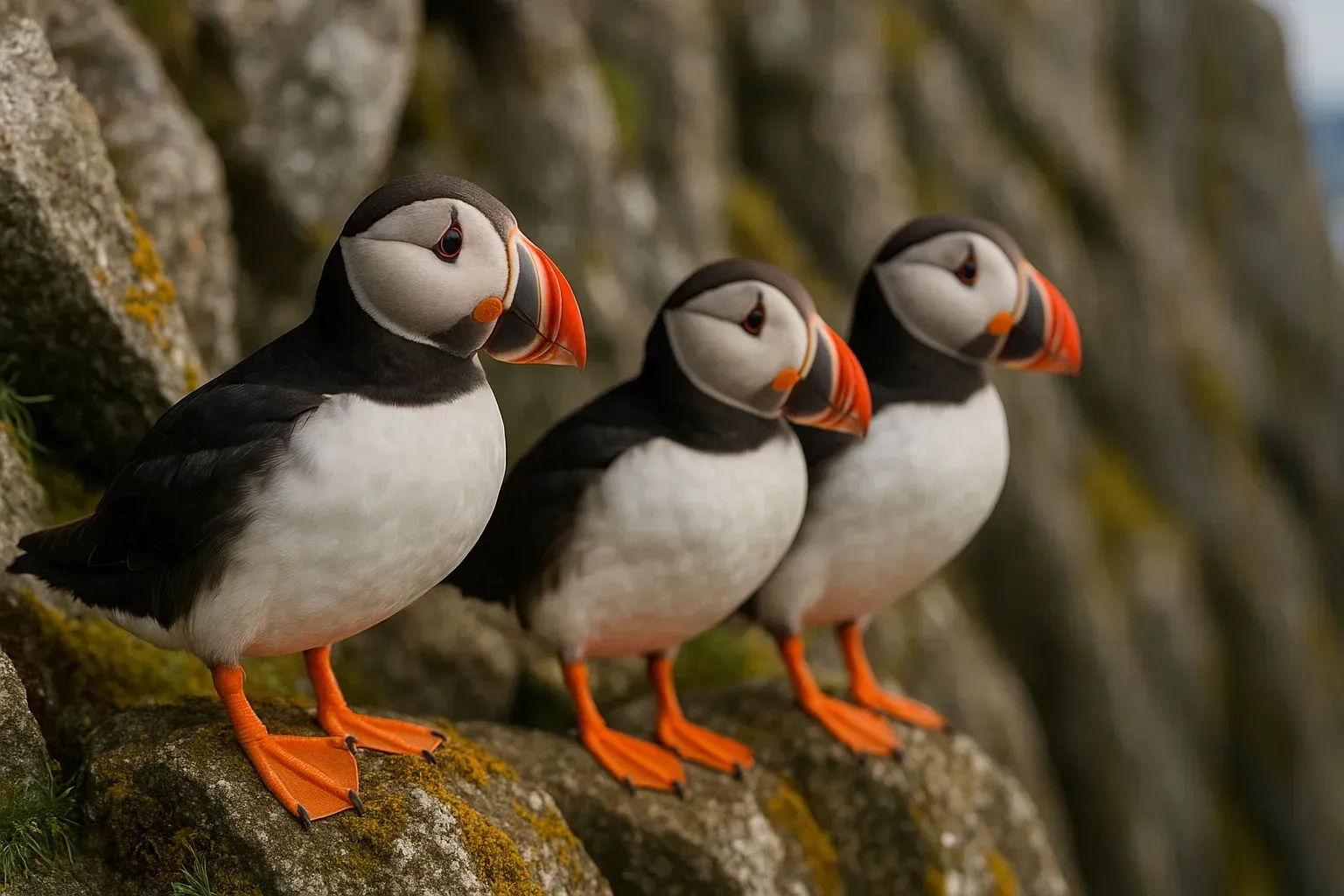
| Puffin | About 1.465 million pairs on the mainland (2015); endangered on the Norwegian red list | Store norske leksikon, updated 04.08.2026 |
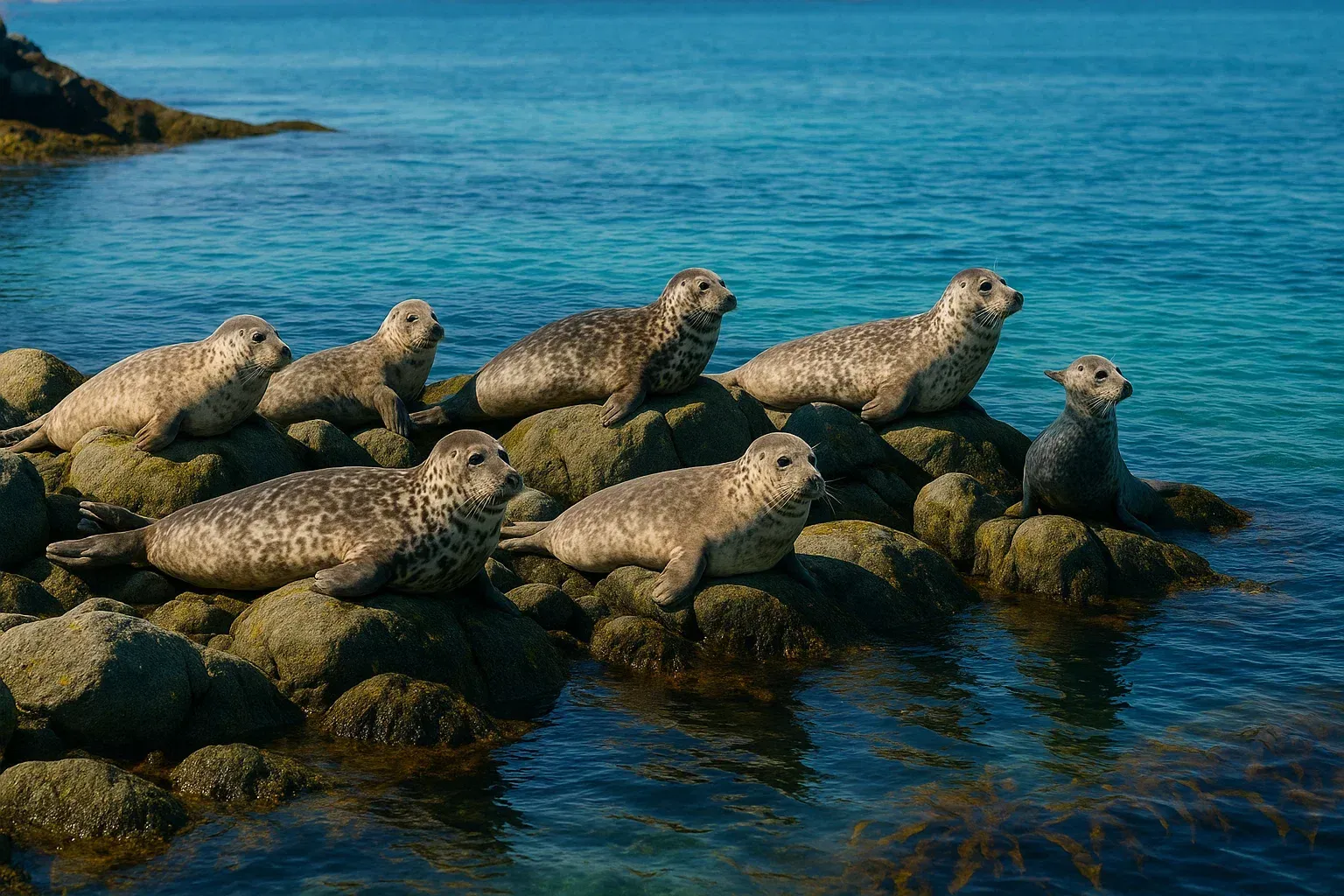
| Harbour seal | Most common seal on the coast, about 6,900 animals (2021) | Store norske leksikon, updated 04.05.2026 |
| Grey seal | Rogaland to Finnmark, close to 4,000 animals (2017) | Store norske leksikon, updated 03.08.2026 |
| Musk ox, Dovrefjell | About 200 animals; keep at least 200 m away | Store norske leksikon, updated 04.08.2026; Visit Norway |
What applies to you?
- You want to see whales in summer: see Andenes.
- You are visiting Tromsø in winter: see orcas and humpbacks.
- You want to see puffins: see the bird cliffs.
- You want to see seals, musk oxen or moose: see seals, musk oxen and other animals.
Where can you see whales in Norway?
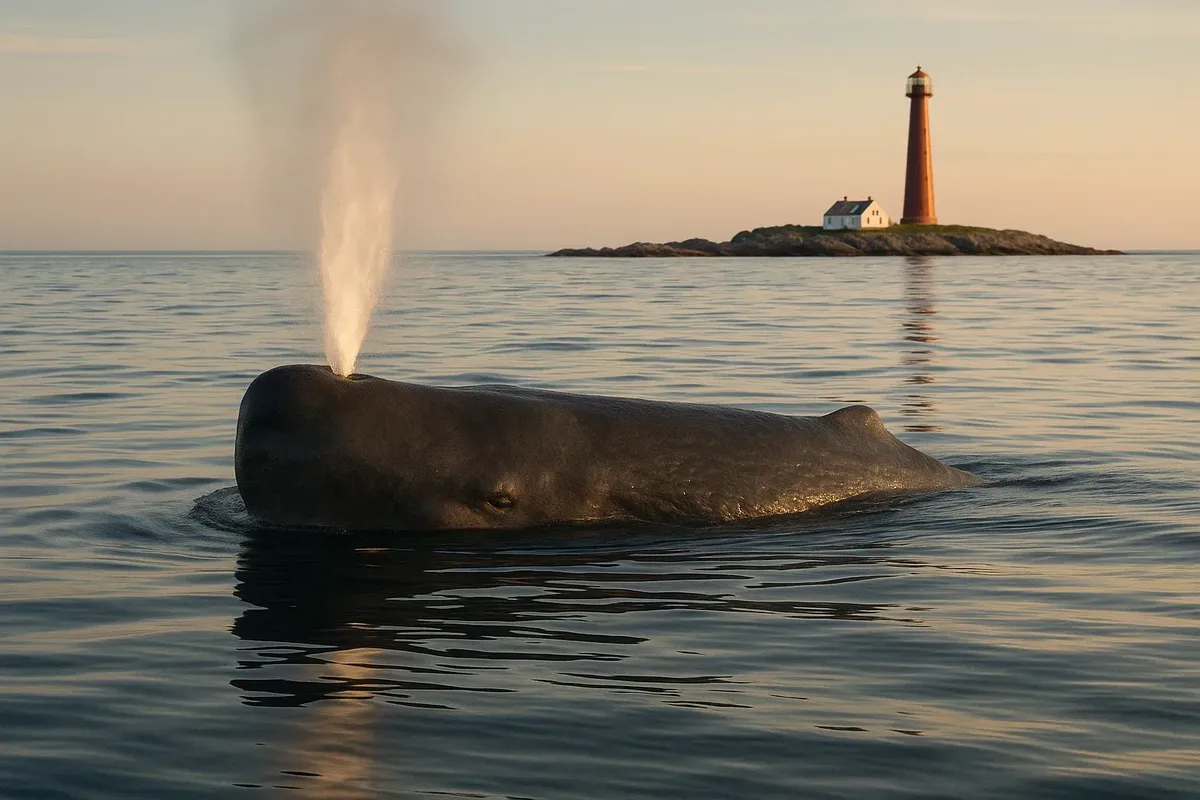
- Andenes in Vesterålen: the best chance. Sperm whales can be seen all year because Bleiksdjupet, a deep underwater canyon, lies close to land (Visit Norway). The sperm whales in Norwegian waters are males, which grow to almost 18 metres (Store norske leksikon, updated 07.08.2026).
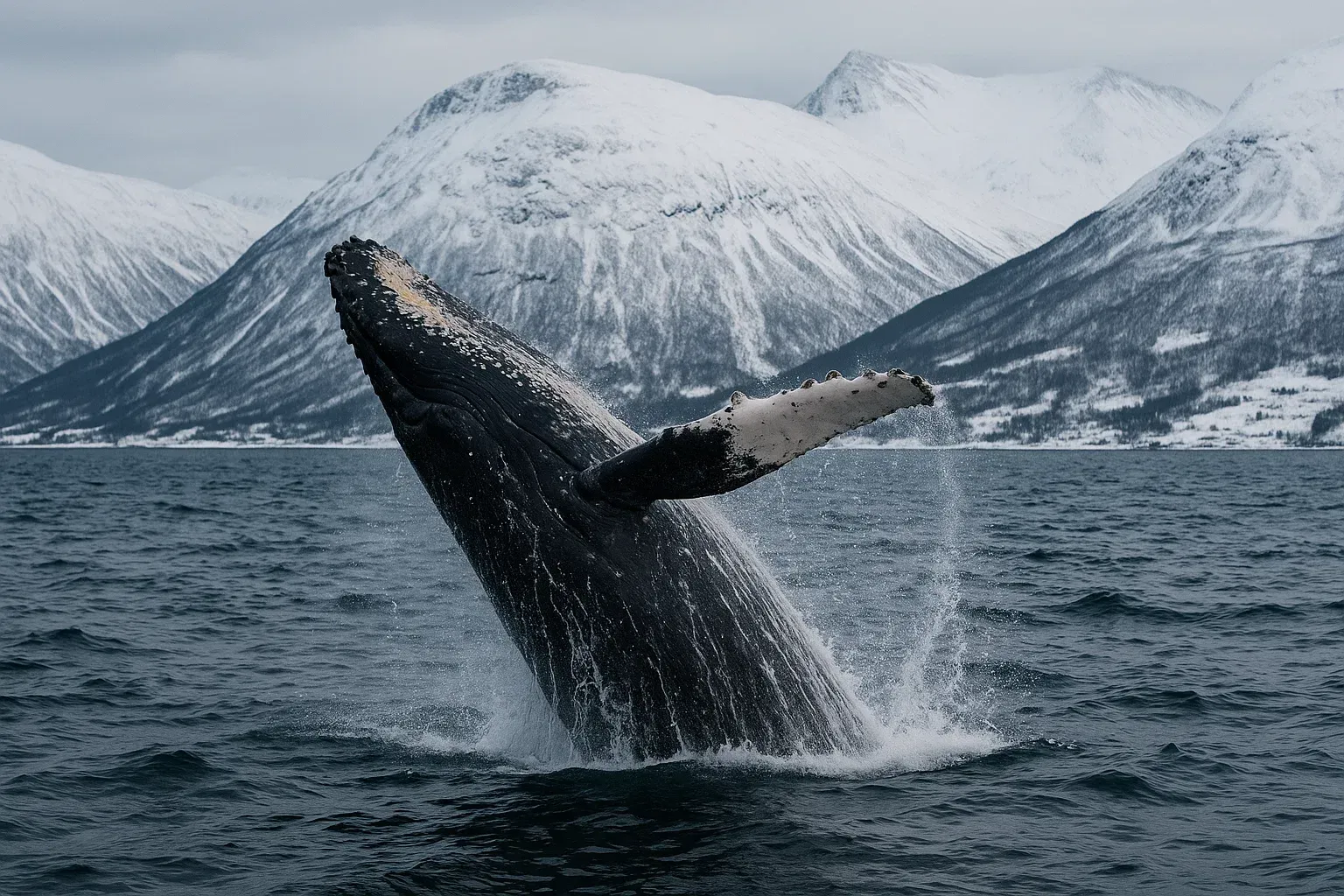
- Skjervøy and Kvænangen north of Tromsø: in winter, orcas and humpback whales follow the herring into the fjords (Visit Tromsø). Visit Norway also mentions the Lyngenfjord, Tromsø and Alta, and fin whales.
- Svalbard: with luck you may see the blue whale (Visit Norway). More: Svalbard.
When is the best time to see whales?
| Place | Whales | When |
|---|---|---|
| Andenes | Sperm whale | All year; the summer season runs from early May to early November (Visit Norway) |
| Skjervøy, Kvænangen | Orca, humpback | Usually from early November to the end of January (Visit Tromsø) |
Can you see whales in the fjords? Yes, in winter. The whales follow the herring, and where they are varies from year to year. Whale sightings can never be guaranteed (Visit Tromsø, checked 27.09.2026). You can combine a winter trip with the northern lights.
Tips before a whale safari
- Choose an operator that takes responsibility for the marine environment and follows the guidelines (Visit Norway).
- If you get seasick easily, take anti-nausea tablets 1–2 hours before departure and bring salty snacks (Visit Norway).
- Dress in layers and bring waterproof clothing; in winter you need warm clothes, winter boots, a hat and mittens (Visit Norway; Visit Tromsø).
- Save money: discounts on excursions.
Where can you see puffins in Norway?
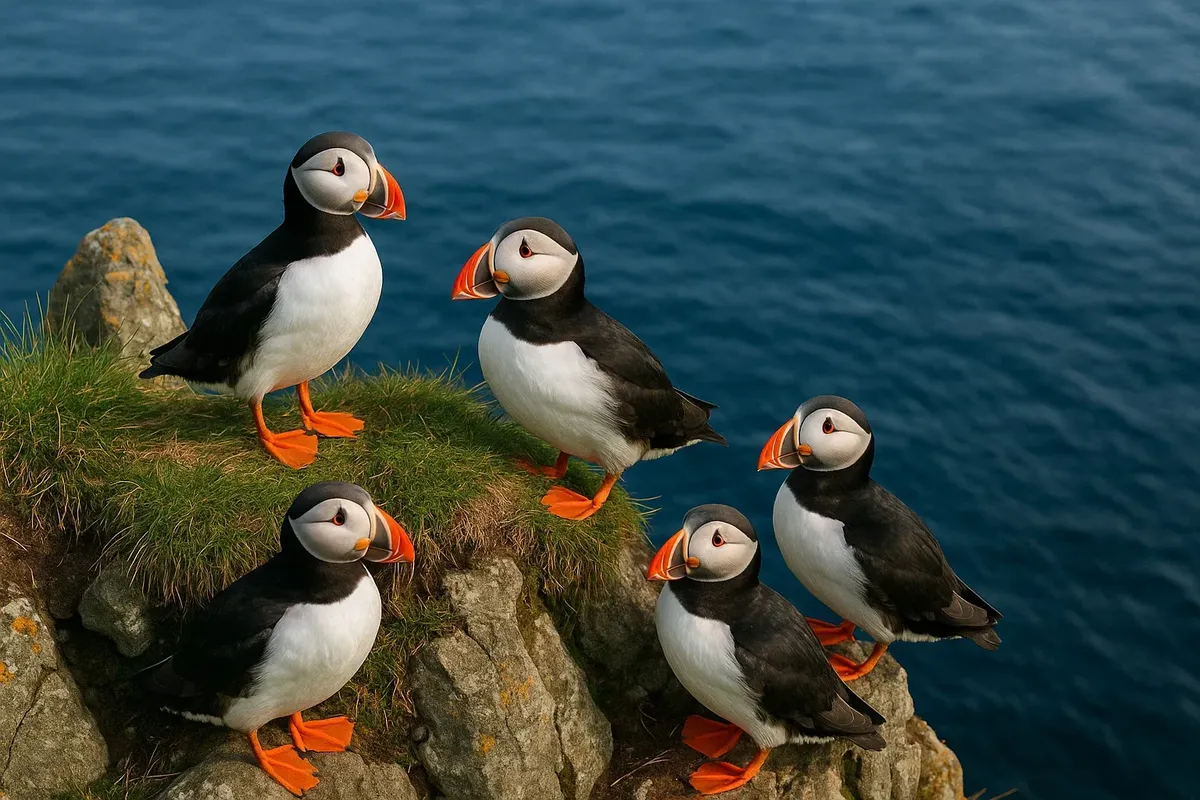
Good places are Runde in Sunnmøre, Andøya in Vesterålen, Lovund in Helgeland and Røst in Lofoten (Visit Norway). The largest colonies are Røst, Hornøya, Runde and Bleiksøya. The puffin is the most numerous seabird on the mainland, with about 1.465 million pairs in 2015, but it is listed as endangered on the Norwegian red list. On Røst the population has fallen from about 1.5 million to 450,000 pairs (Store norske leksikon, updated 04.08.2026).
Puffins are on the bird cliffs in the breeding season, in spring and summer. Keep your distance from nesting birds, especially in nature reserves and on bird cliffs (Visit Norway). More: birdwatching for beginners and bird migration in Norway.
When do the migratory birds arrive, and when can you see puffins?
- Swallows: the barn swallow arrives at its nesting sites in Norway in April–May and winters in Africa south of the Sahara (Store norske leksikon, updated 04.08.2026).
- Early and late: some migratory birds arrive early in spring and leave late in autumn, while others arrive late and leave as early as early summer. The Arctic tern migrates from Svalbard to the waters off Antarctica, up to 17,000 km each way (Store norske leksikon, updated 03.08.2026).
- Runde in Sunnmøre: puffins can be seen in the breeding season from April to August, and more than 300 bird species have been recorded on the island (Fjord Norway).
- Hornøya near Vardø: about 80,000 seabirds, including around 7,800 pairs of puffins. The boat from Vardø takes 10 minutes and runs daily from 1 April to 31 August. The island is a nature reserve, so stay on the marked paths (Visit Norway).
Where can you see seals in Norway?
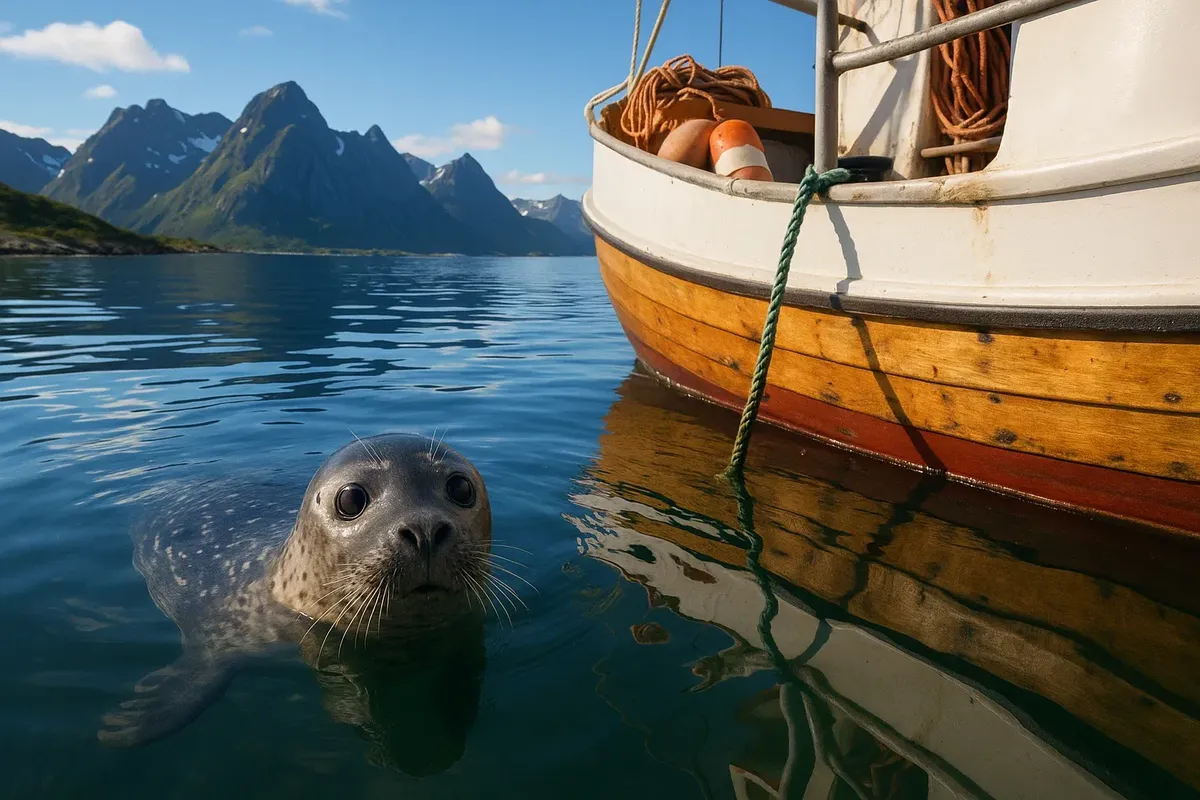
- The harbour seal (steinkobbe) is the most common seal on the Norwegian coast and lives along the whole coast and in the fjords, with large populations in Møre, Trøndelag and Nordland. There are about 6,900 animals along the coast (2021). Pups are born from mid-June (Store norske leksikon, updated 04.05.2026).
- The grey seal (havert) lives from Rogaland to Finnmark, preferring exposed skerries and islets. The population was close to 4,000 animals in 2017. Most pups are born in October–December (Store norske leksikon, updated 03.08.2026).
Places and tours: where to see seals in Norway.
Musk oxen on Dovrefjell
Musk oxen were brought to Dovrefjell from Greenland: the first animals came to Hjerkinn in 1932, and the introduction succeeded in 1947–1953. Today the population is kept at about 200 animals (Store norske leksikon, updated 04.08.2026). Stay at least 200 metres away, and back off if the animal becomes agitated. There are no musk ox safaris in May, the calving season (Visit Norway). More: musk oxen in Norway.

Moose, reindeer, sea eagles and predators
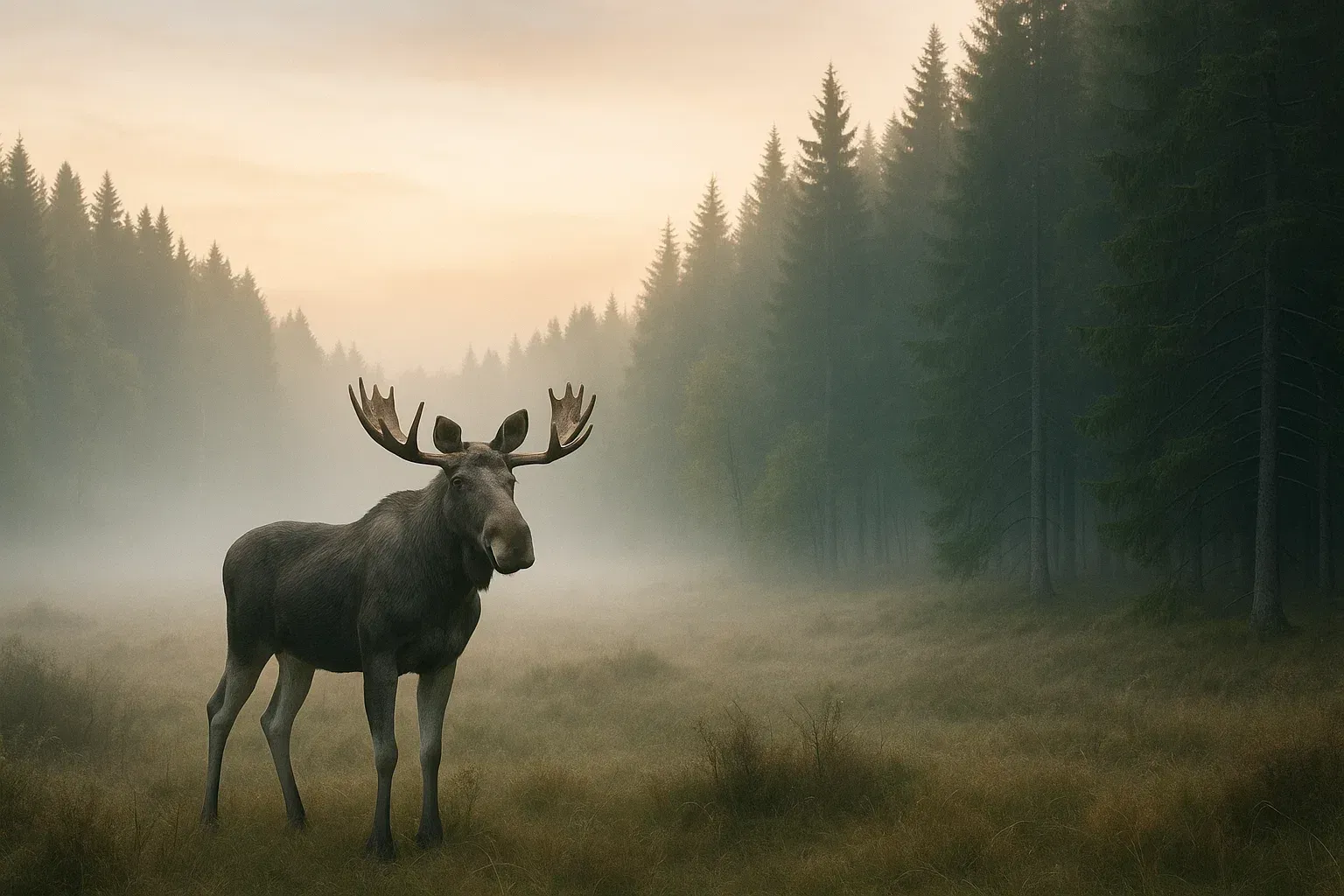
- Moose: moose safaris are offered in places like Vesterålen and Espedalen. Keep your distance, especially from calves (Visit Norway).
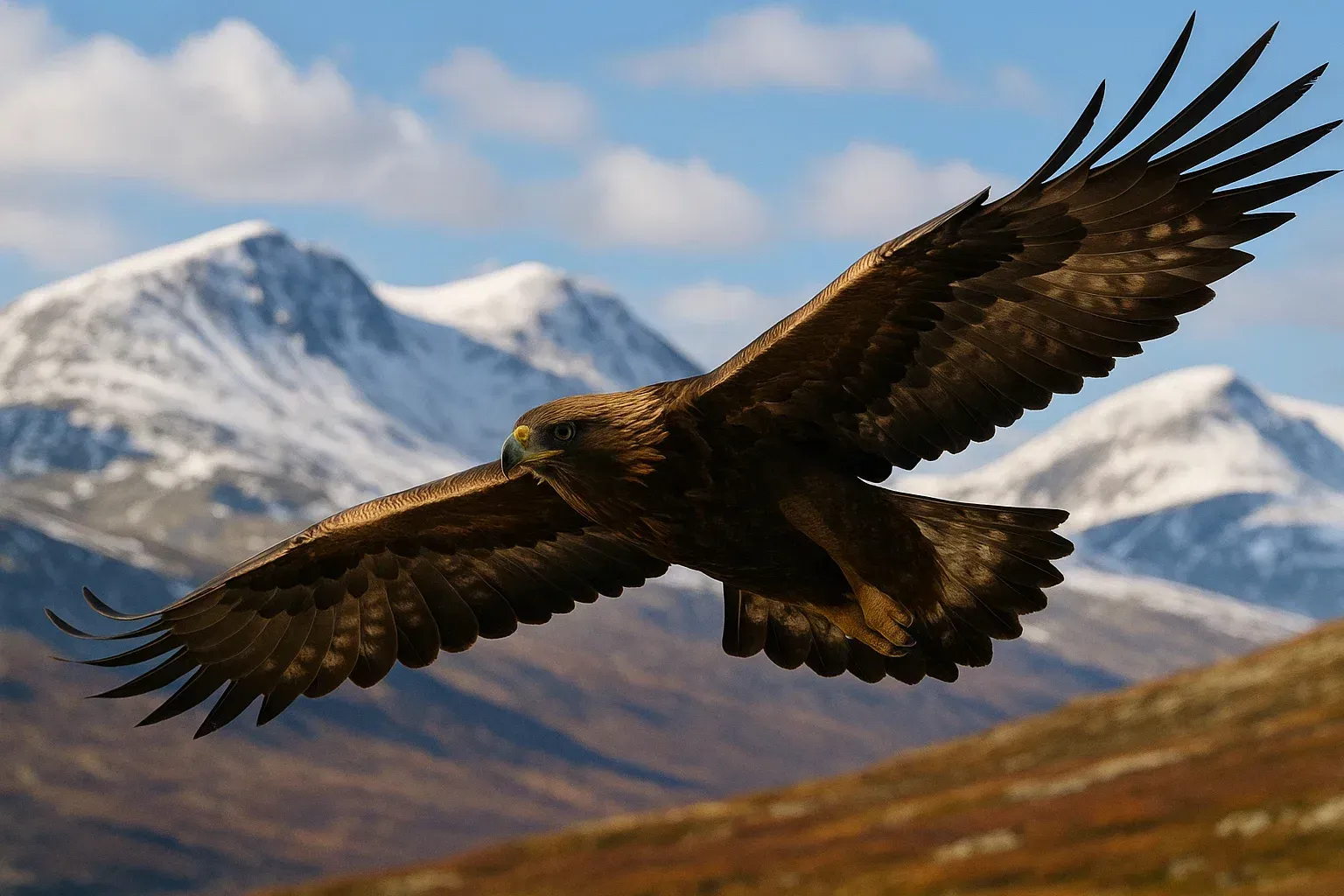
- Sea eagles: sea eagle safaris near Bodø (Visit Norway).
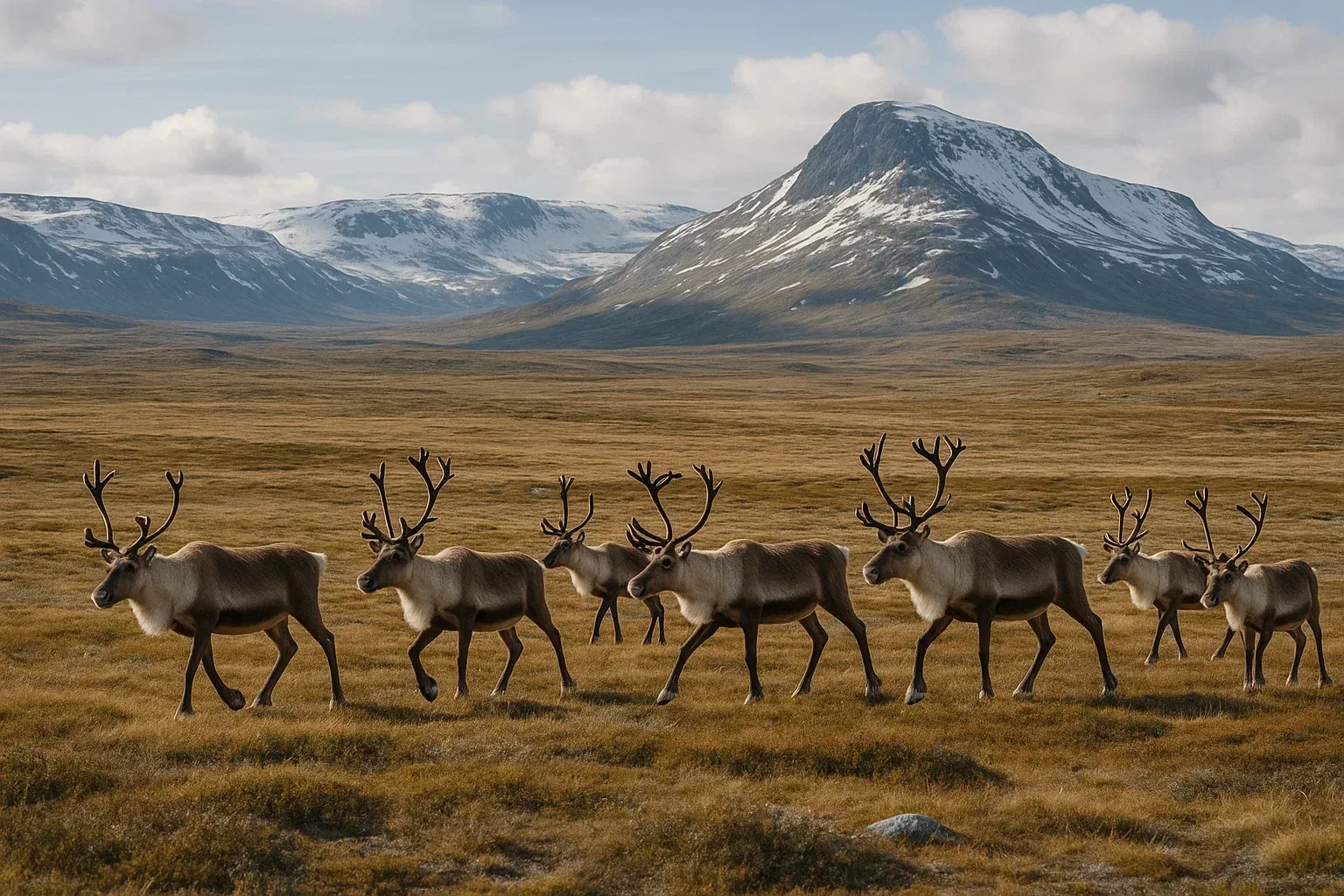
- Reindeer: avoid reindeer herds in the calving season in May (Visit Norway).
- Wolves, lynx, bears and wolverines: see predators in Norway.
Wildlife photography: the best spots for wildlife photos.
Tours and hotels where the animals are
| Place | Tours and travel agencies | Hotels |
|---|---|---|
| Tromsø | Tours and travel agencies | Hotels |
| Harstad | Tours and travel agencies | Hotels |
| Svolvær | Tours and travel agencies | Hotels |
| Bodø | Tours and travel agencies | Hotels |
| Ålesund | Tours and travel agencies | Hotels |
See also Andenes (landmarks, including Bleiksdjupet) and Skjervøy (landmarks, including Kvænangen) in our directory.
Photos: whales and wildlife
People also ask
- Where can you see whales and puffins in Norway?
- Where is the best place for whale watching in Northern Norway?
- Can you see whales in Norway's fjords?
- What is the best month for whale watching in Andenes?
- When can you see orcas near Tromsø?
- Are whales guaranteed on a whale safari?
- What helps against seasickness on a whale safari?
- Where can you see puffins in Norway?
- Are puffins endangered?
- Where can you see seals in Norway?
- Are there seals in Norway?
- Where can you see musk oxen?
- How close can you get to a musk ox?
- What animals live in Norway?
- When do swallows arrive in Norway?
- When can you see puffins on Runde?
Frequently asked questions about whales and wildlife in Norway
At Andenes in Vesterålen, where sperm whales can be seen all year because the deep sea is close to land (Visit Norway).
Usually from early November to the end of January, in the fjords around Skjervøy and Kvænangen. The timing varies from year to year (Visit Tromsø).
Sperm whales are there all year. The summer season runs from early May to early November (Visit Norway).
Yes, in winter orcas and humpback whales follow the herring into the fjords north of Tromsø (Visit Tromsø).
On Runde, Andøya and Bleiksøya, Lovund and Røst. Puffins are on the bird cliffs in spring and summer (Visit Norway; Store norske leksikon).
Harbour seals live along the whole coast and in the fjords, grey seals from Rogaland to Finnmark (Store norske leksikon).
Stay at least 200 metres away, and back off if the animal becomes agitated (Visit Norway).
No. Whale sightings can never be guaranteed (Visit Tromsø).
Yes, the puffin is listed as endangered on the Norwegian red list (Store norske leksikon).
Sources
All links checked 27.09.2026.
- Visit Norway: whale watching in Norway
- Visit Tromsø: whale watching in Tromsø
- Visit Norway: wildlife safaris in Norway
- Store norske leksikon: spermhval (updated 07.08.2026)
- Store norske leksikon: lunde (updated 04.08.2026)
- Store norske leksikon: steinkobbe (updated 04.05.2026)
- Store norske leksikon: havert (updated 03.08.2026)
- Store norske leksikon: moskusfe (updated 04.08.2026)
- Store norske leksikon: barn swallow (updated 04.08.2026)
- Store norske leksikon: migratory birds (updated 03.08.2026)
- Fjord Norway: puffins on Runde
- Visit Norway: Arctic birdwatching in Varanger
Readers' experiences
Have you been on a whale safari or seen puffins, seals or musk oxen? Where and when? Write in the comments at the bottom of the page. We use your experiences when we update the guide.





2 comments
Log in to leave a comment
Hvor i Norge mener dere man har størst sjanse til å se hval, og hvilken sesong er best? 🌊