



A trip to see Norwegian seals: where and how to get up close to these sea creatures 🌊
Yes, and two species live here all year. The harbour seal lies on skerries in the fjords along the whole coast — 7 552 were counted in 2015 and the real number is probably around 10 000. The grey seal, 5 100–6 000 animals, keeps to the outermost skerries from Rogaland to Finnmark. The easiest places to see them are Lofoten and Vesterålen, the Trondheimsfjord and the Vega archipelago.
Updated 28 September 2026. Every figure has a source and a check date at the end of the article.
Seals in Norway: the numbers
| What | Figure | Source |
|---|---|---|
| Harbour seal (steinkobbe), mainland Norway | 7 552 counted in 2015; probably around 10 000 in all | Institute of Marine Research |
| Harbour seal, Svalbard | About 2 000 at Prins Karls Forland — an isolated population | Institute of Marine Research |
| Grey seal (havert) | 5 100–6 000 animals aged one year and older | Institute of Marine Research |
| Where the grey seal breeds | Rogaland to Finnmark, on the outermost and most exposed skerries, from September to December | Institute of Marine Research |
| Management | Quota-regulated hunting: the aim is about 7 000 harbour seals countable during the moult and about 1 200 grey seal pups a year | Institute of Marine Research |
| Red list | The harbour seal was taken off the Norwegian red list after the 2015 count; it had been listed as vulnerable in 2006 | Institute of Marine Research |
Checked 28 September 2026.
Which seals live in Norway
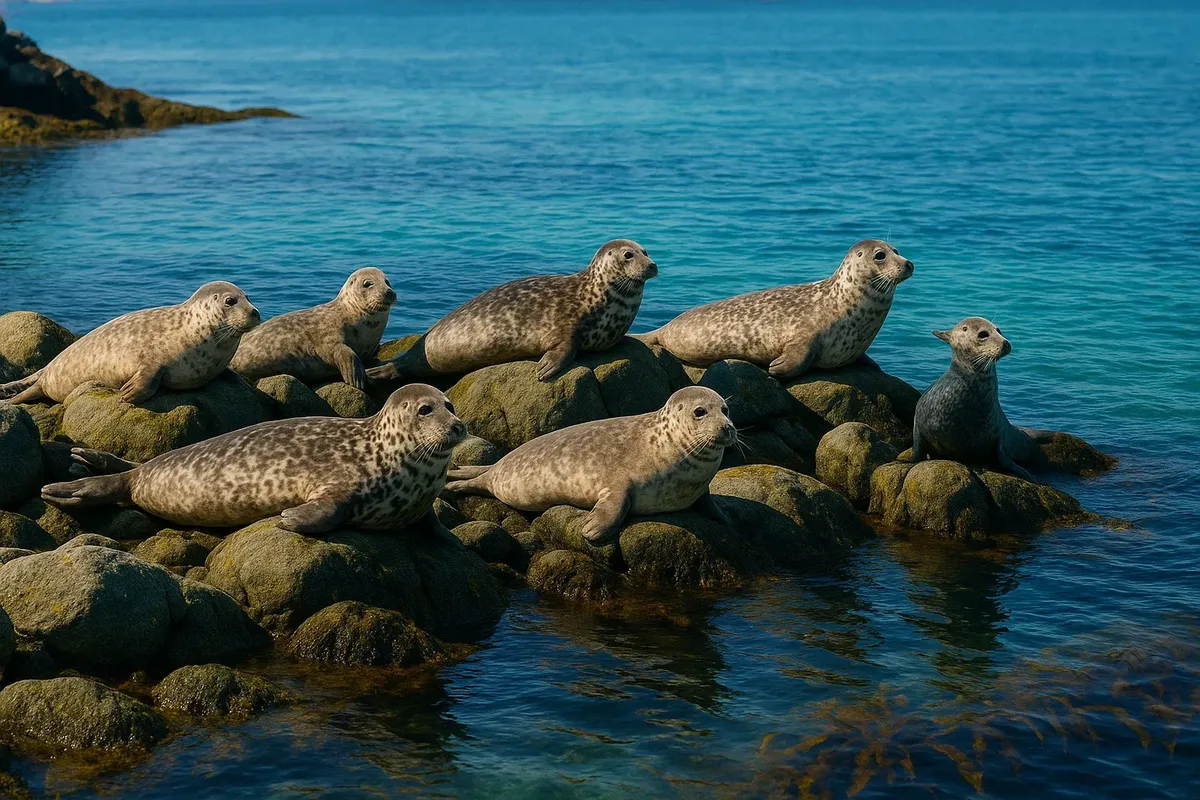
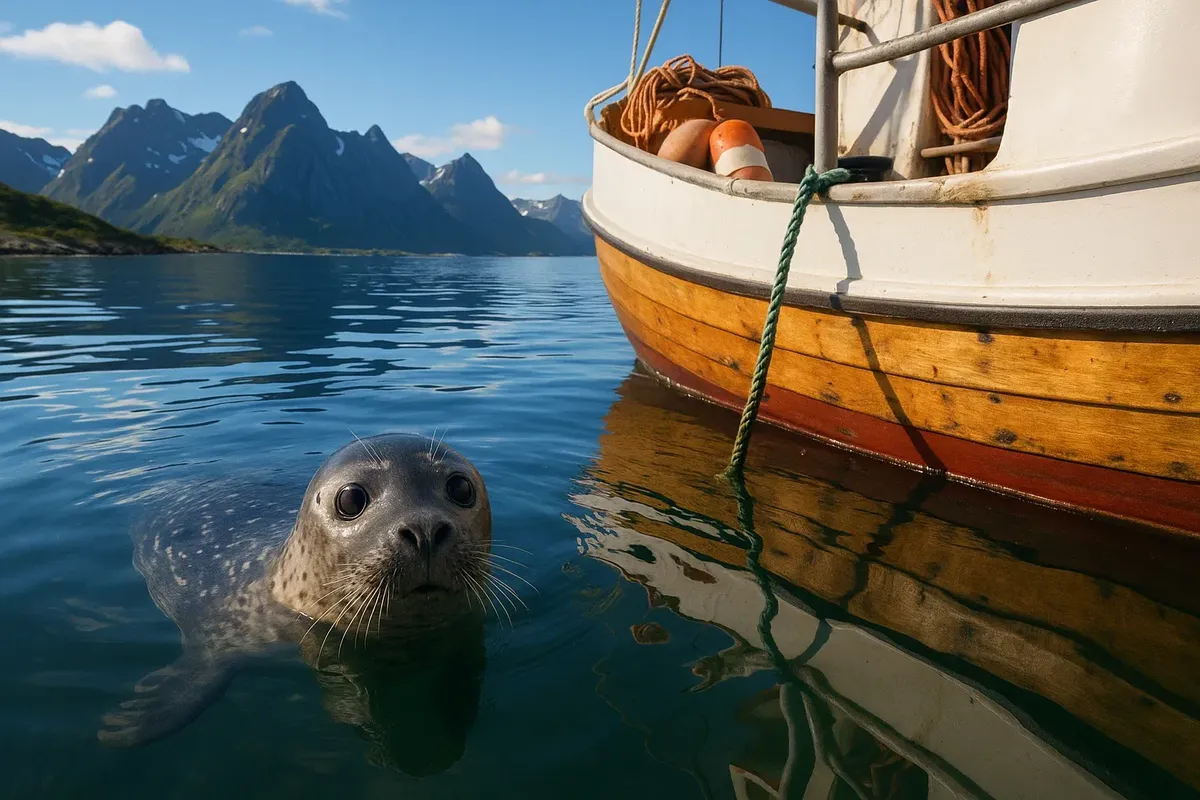
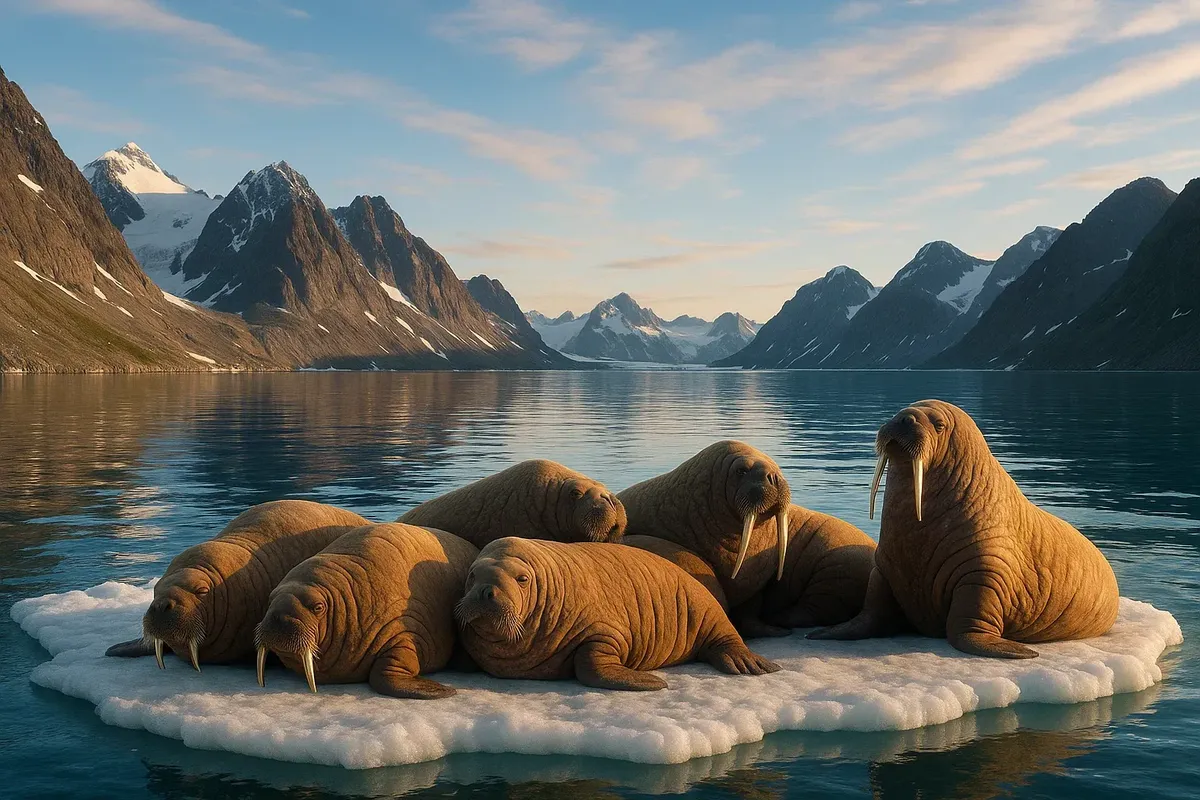
Two species are resident. The harbour seal, steinkobbe, lives in colonies scattered along the coast and far into the fjords, which is why it is the one you meet from a boat or even from a bridge in a town. The grey seal, havert, is bigger and stays on the outer skerries, where the weather is worst and people are fewest. Around Svalbard you are in another world of seals, with arctic species tied to the ice, and the harbour seals at Prins Karls Forland are a population of their own, about 2 000 animals.
Where to look
- Lofoten and Vesterålen: skerries at the mouths of the fjords, best from a boat, often together with sea eagles.
- The Trondheimsfjord: harbour seals far inside the fjord, close to the city.
- The Vega archipelago in Nordland: shallow, sheltered and full of skerries, a UNESCO landscape.
- The outer skerries from Rogaland to Finnmark: the grey seal, which pups there between September and December.
- Svalbard: the arctic species, from a boat and with a guide.
When you will actually see them
Seals haul out to rest and to moult, and that is when they are countable — the official harbour seal counts are done during the moult, when most of the animals are lying on the rocks. Low tide uncovers the skerries they like, so the hours around it are better than high water. Grey seal pups appear on the outer skerries from September, and that is also the season when a boat has to keep its distance: the pups stay ashore while the mother is at sea, and a pup alone on a rock has not been abandoned.
How close you may come
Close enough for binoculars, not close enough to make them slide into the water. If the heads go up and the colony starts moving, you are too close — turn away. Never touch a pup, never put a dog ashore on a skerry with seals on it, and remember that both species are hunted on quota here: the harbour seal quota has been over 450 animals in recent years. Seals are wildlife, not a petting zoo, and they bite.
Seal safari and boat trips
A boat is the difference between a dot on a rock and an animal you can watch. Local operators run wildlife and sea-safari trips from Bodø, Svolvær, Tromsø and Ålesund — addresses and contacts are in the catalogue.
What to bring
Binoculars first, and a lens of 200 mm or longer if you want a photograph rather than a memory. A windproof layer even in July: the boat is open and the fjord is cold. Seasickness tablets before you sail, not after. Nothing about the rest of the animal life in Norway needs a special season — what you can see and where is in our guide to whales, puffins and wildlife, and the land animals are in the article on wild predators.
You may also want to read
Seals in Norway: frequently asked questions
Yes, two resident species: the harbour seal, with 7 552 counted in 2015 and probably around 10 000 in all, and the grey seal, 5 100–6 000 animals (Institute of Marine Research).
From a boat among the skerries in Lofoten or Vesterålen, in the Trondheimsfjord, or in the Vega archipelago. Harbour seals go far into the fjords, so you do not need to go to the open sea.
The harbour seal, steinkobbe, is the smaller one and lives in the fjords; the grey seal, havert, is bigger and keeps to the outermost skerries from Rogaland to Finnmark, where it pups from September to December.
Summer and early autumn, when the animals haul out to rest and moult — the official counts are made during the moult, when most of them are ashore. Around low tide is better than high water.
Yes, the arctic species around the ice, and a separate harbour seal population of about 2 000 animals at Prins Karls Forland. Go with a guide and a boat.
Binocular distance. If heads come up and the colony starts moving towards the water, you are too close. Never touch a pup and never land a dog on a skerry with seals.
No. The mother is feeding at sea and comes back. Leave it where it is and keep the boat away.
Yes, on quota. Management aims at about 7 000 harbour seals countable during the moult and about 1 200 grey seal pups a year, and the harbour seal quota has been over 450 animals in recent years (Institute of Marine Research).
Sources (checked 28 September 2026)
- Institute of Marine Research, steinkobbe — the 2015 count of 7 552, the estimate of about 10 000, the Svalbard population, the management target and the quota.
- Institute of Marine Research, havert — 5 100–6 000 animals, breeding from Rogaland to Finnmark from September to December, and the aim of about 1 200 pups a year.

1 comment
Log in to leave a comment
Hvor har dere hatt best opplevelse med sel-observasjon, og hvilken tid på året anbefaler dere? 🌊