



How do you try winter fatbiking in Norway?
Share
Save
At a glance
Start winter fatbiking in Norway on a short, prepared route on land that suits your experience. Before renting, confirm local rules, snow conditions, tyres and the return plan. Wide tyres do not guarantee grip, and tracks across a lake do not establish that the ice can bear you. Sources: Visit Norway: winter fatbiking, Miljødirektoratet: cycling access and Varsom/NVE: ice forecasts, checked 26 October 2026.
| Question | Answer | Source and check |
|---|---|---|
| What makes a fatbike different? | Wide tyres designed for surfaces including snow. | Visit Norway: winter fatbiking, 26 October 2026 |
| Are conditions the same every day? | No. Snow and weather change the riding conditions. | Visit Norway: winter fatbiking, 26 October 2026 |
| Where should a beginner practise? | On flat ground. | Visit Norway: winter fatbiking, 26 October 2026 |
| Where does the general right to ride an ordinary bicycle apply in lowland areas? | On roads and paths in utmark, with considerate use on surfaces that can withstand it. | Miljødirektoratet: cycling access, 26 October 2026 |
| Does the same provision of the Outdoor Recreation Act cover e-bikes? | No. E-bike use is regulated separately. | Miljødirektoratet: cycling access, 26 October 2026 |
| Does a regional ice forecast cover every part of a lake? | No. Individual lakes and sections may have different conditions. | Varsom/NVE: ice forecasts, 26 October 2026 |

What changes when you ride a fatbike on snow?
A fatbike has wide tyres suited to surfaces including snow. Loose snow, a firm trail and ice create different rolling resistance and handling. Visit Norway: winter fatbiking explains how conditions affect a ride, checked 26 October 2026.
Important
Wide tyres do not turn every snowy line into a cycling route. Check whether cycling is permitted, whether the route is prepared for bikes and what surface conditions are expected that day.
Do not calculate a winter day out using your usual summer speed. For a first ride, being able to stop and return matters more than the distance on the map.
Where can you find a beginner winter fatbike tour in Norway?
Visit Norway: winter fatbiking features winter fatbiking in areas including Geilo and Alta. These are starting points for research, rather than confirmation that a particular trail is open. Check the actual product and local route for your date, checked 26 October 2026.
Tip
Choose a short loop on a confirmed winter route with a straightforward return to base. Practise steering, braking and turning on flat ground before considering a remote plateau.
Ask the operator or rental shop which route is prepared for bikes, what recent snowfall has changed and where you can finish early. Request a map and a clear return point.
Compare other activities in our guide to winter friluftsliv. If you want a ride by a fjord, see fatbiking around Norway's fjords and check winter conditions afresh.

Where can you ride without damaging ski tracks?
Miljødirektoratet: cycling access explains the general right to ride an ordinary bicycle on roads and paths in lowland utmark: uncultivated land outside areas such as gardens, farmyards and cultivated fields. The surface must withstand the use, and you must ride considerately. Checked 26 October 2026.
In protected areas, check local rules and boundaries as well. Lofotodden: cycling rules illustrates that a park may impose its own cycling restrictions. It is not a nationwide rule for every national park.
A groomed ski trail is not automatically a bike route. Visit Norway: winter fatbiking warns about deep ruts. Stop if your tyres damage the surface and ask about an alternative. Checked 26 October 2026. Our Norway cycling guide has more route ideas, but a summer description does not confirm winter access.
Can you ride across frozen lakes on Hardangervidda?
Common mistake
Do not treat someone else's tracks or one ice-thickness reading as permission to cross a lake. A regional ice forecast does not assess every point. Choose a route on land if you lack a competent local assessment.
Varsom/NVE: ice forecasts explains that Isvarsel describes regional conditions; individual lakes and sections of a lake can differ. A general regional description does not clear a particular ice crossing. Checked 26 October 2026.
For a first ride, avoid routes requiring you to assess lake ice independently. Remote mountain travel adds wind, visibility and avalanche terrain, including runout zones below slopes. See Varsom: avalanche terrain, checked 26 October 2026.
Plan using the exact route and current information. A plateau's name or a nearby cabin does not confirm the state of the route or the availability of accommodation.
What should you check on the bike and wear?
Before collection, check fit, brakes, gears, tyre condition and whether the bike suits the ride. Agree tyre choice and pressure with the rental shop for the model and surface. There is no single pressure that fits every fatbike.
Visit Norway: winter fatbiking recommends warm, flexible clothing, a helmet, eye protection and warm mittens; some bikes have handlebar mitts. Checked 26 October 2026. Make sure you can brake and change gear while wearing winter gloves.
Use our winter packing list to plan dry spare clothing and extra insulation for stops. A short loop and a remote ride need separate equipment assessments.

How do you choose rental, instruction and a backup?
Ask about frame size, tyres, lights, helmet and repair kit. For an electric fatbike, check route permission and conditions separately: Miljødirektoratet: cycling access distinguishes the legal framework for e-bike use. Checked 26 October 2026.
On an unfamiliar surface, a session with someone who knows the area can help. Check what instruction includes, how the programme changes in poor conditions and who helps after a breakdown. Compare the full offer for the same date: equipment, guidance, transport and cancellation terms. Old trip reports do not replace a current answer from the seller.
When should you shorten or cancel a ride?
Example
After snowfall, yesterday's easy loop is soft, the tyres leave deep ruts and your pace drops sharply. Shorten or postpone the ride instead of trying to keep the old timetable.
Agree limits for time, the group's condition and the return options before setting off. DNT: the Mountain Code recommends matching plans to ability and conditions and turning back in time. Checked 26 October 2026. Read about Norwegian winter weather and conditions. Save maps and contacts so returning does not depend on mobile reception.
Checklist
Confirm the route and local rules, surface, suitable bike and tyres, lights, clothing and dry spares, communication, tools and the return plan after a breakdown. Decide in advance what will make you turn back.
Frequently asked questions
No. Snow and weather change riding conditions. Choose the bike and route for the day. See Visit Norway: winter fatbiking.
On a flat section of a suitable route, practising steering and braking. See Visit Norway: winter fatbiking.
No. Check local access rules and avoid deep ruts or surface damage. See Visit Norway: winter fatbiking.
No. Varsom/NVE warns that individual lakes and sections can differ from the regional description.
No. It cannot replace an assessment of the actual ice section and current conditions. See Varsom/NVE: ice warnings.
Do not assume so. Miljødirektoratet identifies a separate legal framework for e-bikes.
Ask for advice for the supplied model, load and surface. Do not copy a universal figure from someone else's trip.
Shorten or postpone the ride and arrange your return. Completing the planned distance should not determine the decision.
Sources
Visit Norway: winter fatbiking; Miljødirektoratet: cycling access; Varsom/NVE: ice forecasts; Varsom: avalanche terrain; Lofotodden: cycling rules; DNT: the Mountain Code. Checked 26 October 2026.
Author: Ksenia. Updated: 26 October 2026.
Share
Save

Read also
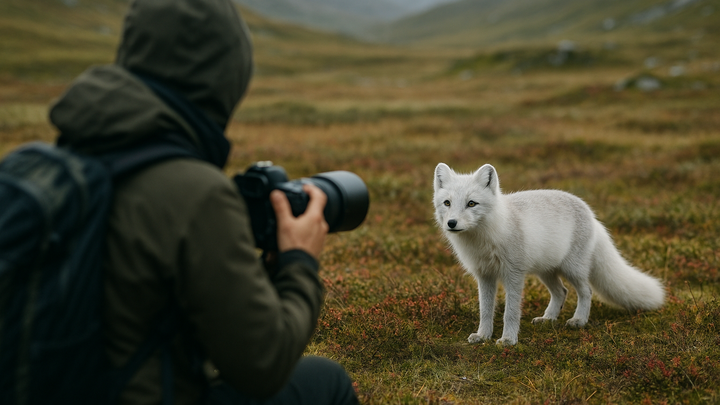
🦊 Arctic fox hunting: photo safari in the tundra of Reisa and Vardeneset ❄️
🌍 Find the rare Arctic fox! Tundra hiking trails in Norway, biology guides, telemetry – the best national park hikes in Norway for wildlife enthusiasts 🦊.
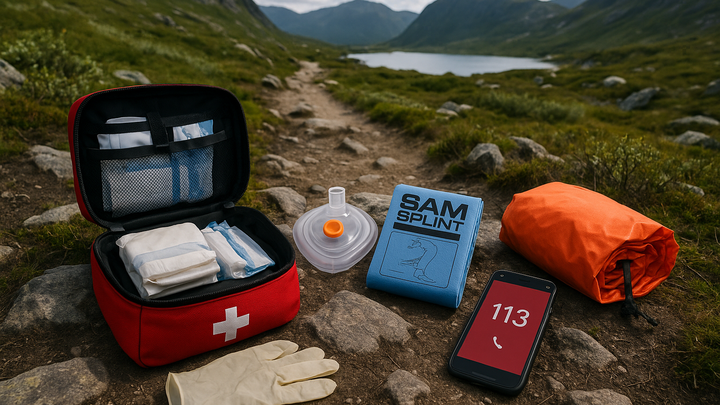
⛑️ First aid on the trail: first aid kit and action plan 🥾
🧰 Put together a first aid kit for hiking trails in Norway: CPR mask, SAM splint, emergency bivy – outdoor adventures in Norway without panic ⛑️.
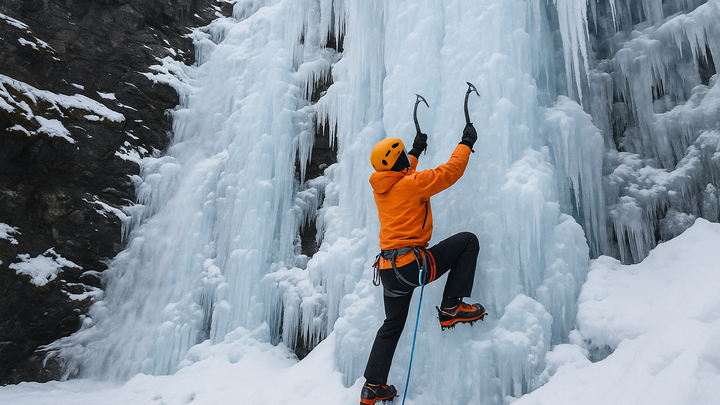
How do you try Norway's frozen waterfalls with a guide?
Plan a first guided climb on a frozen waterfall in Norway: check qualifications, approach, equipment, cancellation terms and the limits of Varsom forecasts.
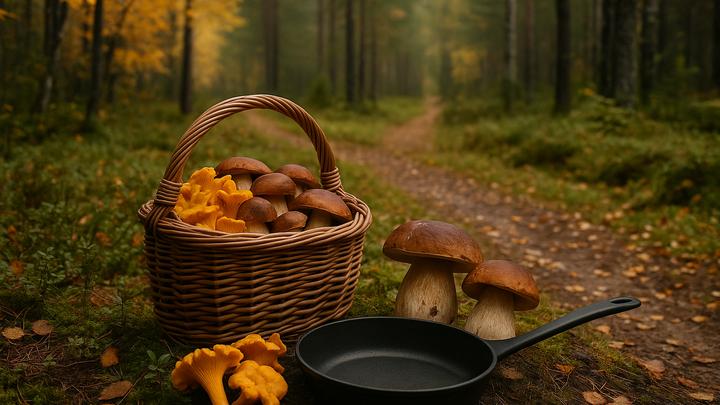
🍄 Mushroom hunting: where to find chanterelles and white mushrooms in September 🥾
🌿 Edible hiking trails in Norway: map of white mushrooms, picking rules, and outdoor adventures in Norway with a frying pan in your backpack 🍳.
🪨 Geology beneath your feet: how glaciers carved out fjords and troges 🥾
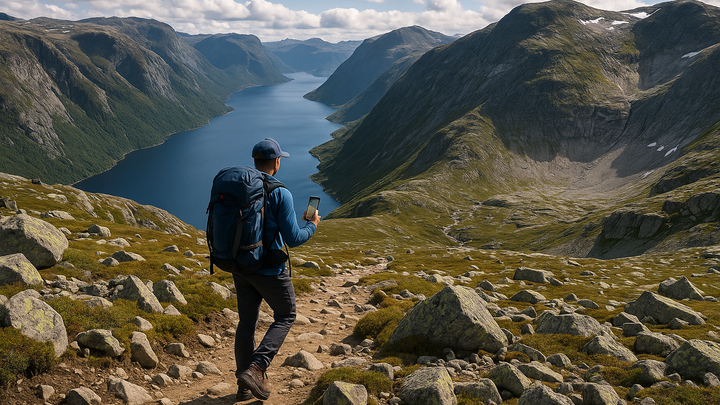
❄️ Understand the landscape of hiking trails in Norway: kettle holes, moraines, best national park hikes in Norway with a pocket geologist guide 🪨.
🌞 Hiking in the midnight sun: top 5 spots above 66° N. 🥾
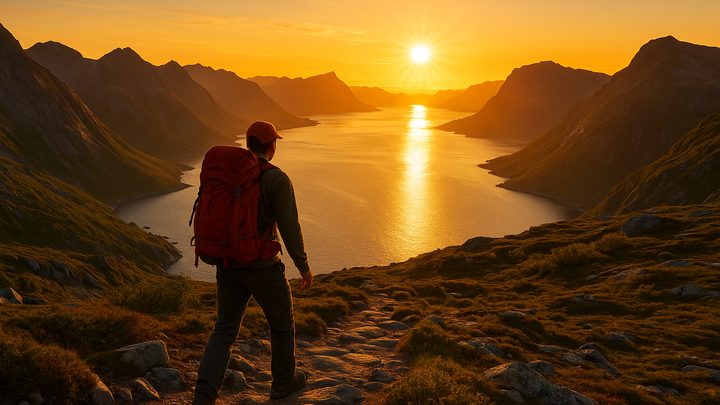
🌌 Walk without a torch! The best Norway national parks trails under the midnight sun, camping and photo tips – outdoor adventures Norway 24/7 🌞.
2 comments
Log in to leave a comment
Kunne du tenkt deg å prøve fatbike i snøen? 😊