



How can you try winter friluftsliv in Norway?
Share
Save
In brief: Winter friluftsliv in Norway can start with a short walk, time outdoors or cross-country skiing on a suitable trail. No sporting achievement is required. Match the activity to your skills and conditions; check weather, daylight and the return journey. Choose an uncomplicated first route near warm shelter, away from difficult terrain. Checked 25.10.2026.
| Topic | What to consider | Source | Checked |
|---|---|---|---|
| Activity | Walking, a pause outdoors or skiing within your ability | SNL | 25.10.2026 |
| Before setting out | Route, weather and an option to turn back | DNT | 25.10.2026 |
| Cold | Clothing and spare items for the conditions | DNT | 25.10.2026 |
| Mountain terrain | Check slopes above the route too | Varsom: avalanche terrain | 25.10.2026 |
| Lakes and water | Assess ice separately; snow is not evidence | Varsom: ice information | 25.10.2026 |
| Getting started | Learn the equipment and choose an accessible activity | Norsk Friluftsliv | 25.10.2026 |
What does winter friluftsliv mean?
Friluftsliv means non-motorised time and activity in nature for recreation. A quiet walk counts; it need not involve skis or a long expedition. SNL describes different forms and motivations; checked 25.10.2026.
Visit Norway explains the cultural appeal of simple outdoor life. For visitors, the practical point is that you do not need to act like an experienced skier to enjoy being outside.
What can you do with no experience?
Choose a walk with a straightforward return if you are not confident on skis. Before a first ski outing, learn to brake and turn with an instructor or in a practice area. Heading straight into the forest is optional.
See the guide to cross-country skiing from Oslo. Check trail conditions and equipment availability for your date. Introductory material from Norsk Friluftsliv, checked 25.10.2026, helps with a suitable starting kit rather than buying everything at random.
Tip: Choose one main activity for your first day. A walk with a stop is easier to plan than unfamiliar skis, a long journey and an evening hike combined.
What should you wear and pack?
Pack for the actual weather and exertion: wind and rain protection, insulation for stops, dry spare items, food and drink. DNT reminds walkers to allow for cold and deteriorating weather even on short outings. The Mountain Code, checked 25.10.2026.
For walking, use the footwear guide. Consider sun protection in bright conditions. A general temperature description for Norway cannot replace a local forecast.
Checklist
- Clothing for moving and stopping.
- Suitable footwear.
- Map and charged phone.
- A light.
- Food and drink.
- A clear way off the route.
Agree the kit for a mountain outing with its leader.
What should you check in the forecast and on the map?
Consider weather, daylight and the route together. Skiers also need trail condition reports. Near slopes, check avalanche conditions and the surrounding terrain, not just the line beneath your feet.
Varsom explains both avalanche release areas and runout zones that avalanches can reach from above. Varsom: avalanche terrain, checked 25.10.2026. If you cannot identify these, choose a different route or a planned outing with a competent leader.
Important: Tracks in the snow do not prove that a slope or ice is safe. Consult separate Varsom ice information, checked 25.10.2026, and do not step onto a lake based only on how its surface looks.
How do you plan the day and return journey?
- Choose an activity and route within the group's abilities.
- Check the forecast, route conditions and restrictions.
- Set a turning point and the conditions for turning back.
- Save the map and return route.
- Tell someone close to you the plan and expected return before leaving.
DNT, checked 25.10.2026, recommends adapting plans and turning back in time. Carrying a light is no reason to extend an unfamiliar route.
Example: The wind strengthens before your planned break. Shorten the day and return to shelter along the planned route instead of insisting on reaching a viewpoint. This is an editorial decision-making scenario.
Common mistake: Applying summer walking times to a winter route and leaving no margin for the return.
Do you need a campfire or northern lights?
No. A good outing can end with a packed snack and the journey home. Fires have their own rules; winter does not mean everything is allowed.
Plan aurora watching as a separate evening with a forecast check. It should not dictate your walk's length or leave the group waiting in the cold without a return plan.
Frequently asked questions
Yes. The term covers different non-motorised activities in nature. SNL, checked 25.10.2026.
No. Begin with an accessible route within your ability. DNT advises matching plans to skills and conditions. The Mountain Code, checked 25.10.2026.
No. Terrain and current conditions require their own assessment. Varsom: avalanche terrain, checked 25.10.2026.
Do not treat snow as permission to step out. Check ice information separately. Varsom: ice information, checked 25.10.2026.
When conditions, tiredness or your agreed limit require it, before you exhaust your strength. DNT, checked 25.10.2026.
Leave room for weather, rest and travel. This is editorial winter planning advice.
Sources: DNT, Varsom, Norsk Friluftsliv and SNL; links accompany the facts. Author: Ksenia. Updated: 25.10.2026.
Share
Save

Read also
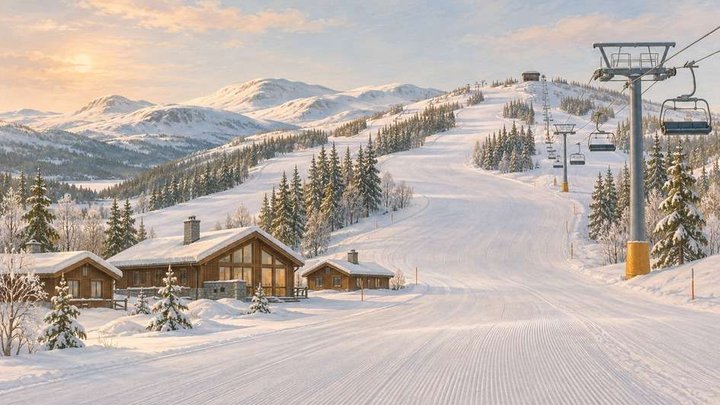
Myrkdalen, Gausta, Rauland or Haukelifjell: which Norwegian ski holiday suits you?
Choose Myrkdalen if you want downhill and cross-country skiing with Voss as your transport hub.
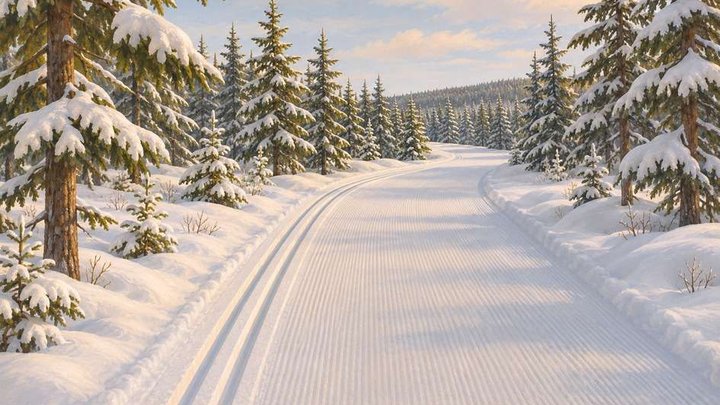
Cross-country skiing in Norway: trails, rental and your first day
Start with a short, groomed trail that matches your ability and rent equipment for the technique you intend to use.
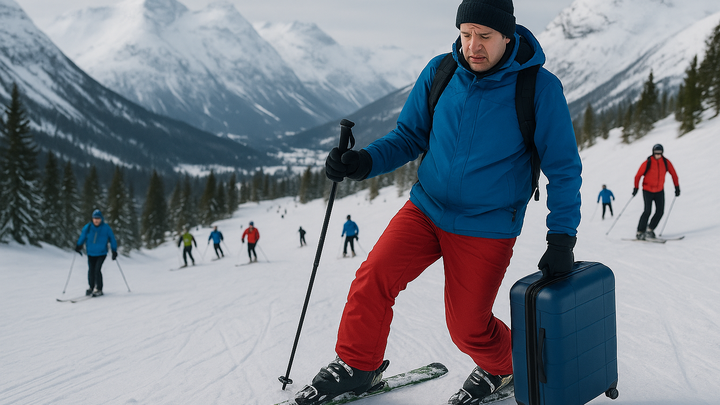
Which mistakes should you avoid on your first ski day in Norway?
Prepare for your first alpine ski day in Norway. Check ten mistakes involving equipment, lessons, pistes, passes, insurance and winter travel before skiing.
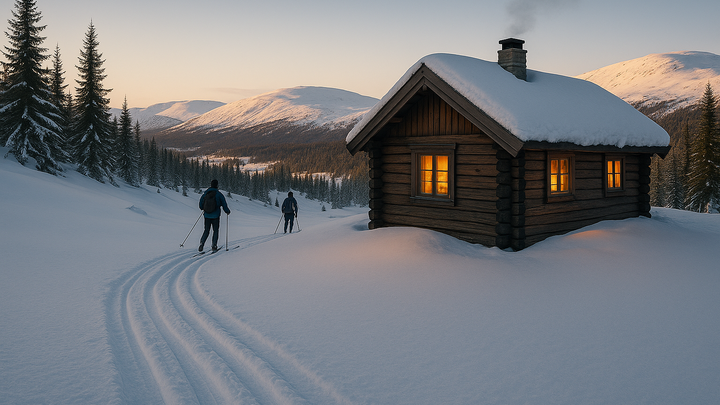
How do you choose a ski-in/ski-out cabin in Norway?
Check a Norway ski-in/ski-out cabin before winter travel: slope access, skill level, arrival, food, total costs and Christmas booking conditions.
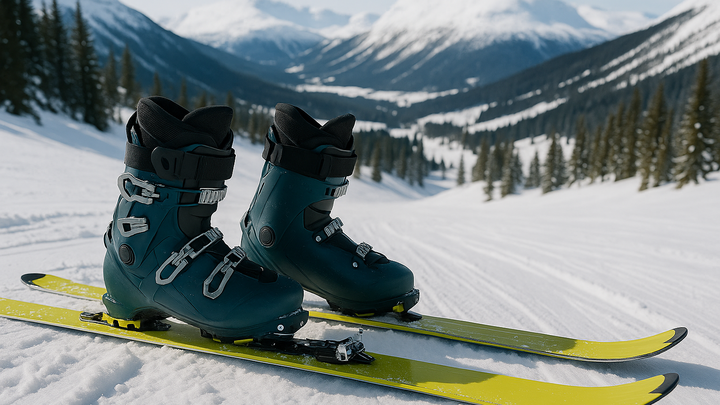
🎿⚙️ Test drive: innovative bindings for ski touring
An overview of new bindings and boots for 2025 on the slopes of Norway — the perfect choice for snow activities in Norway and backcountry enthusiasts.
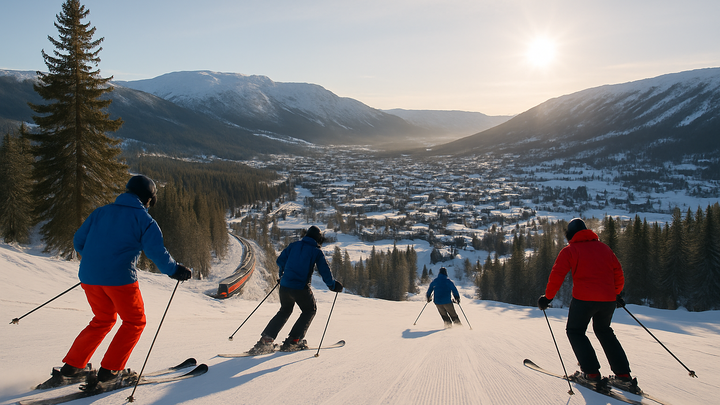
How can you plan a Geilo ski weekend without rushing?
Plan a ski weekend in Geilo: check trains, accommodation, rental and lift passes. Shape two days on snow around local travel and your journey home.
0 comments
Log in to leave a comment