


What should you pack for Norway in winter?
In brief
Pack adjustable warm clothing layers, boots with appropriate grip, a hat, gloves or mittens, dry spare items, lights and a way to recharge your phone for a winter trip to Norway. City sightseeing, long waits outdoors, skiing and mountain trips require different equipment. Check your destination's forecast and exactly what an activity organiser provides. Sources: Visit Norway and DNT, checked 26 October 2026.
| Topic | Guidance | Source |
|---|---|---|
| Base layer | Wool or synthetic fabric for moisture management | Visit Norway |
| Insulation | Wool sweater or fleece | Visit Norway |
| Outer layer | Wind and precipitation protection suited to conditions | Visit Norway |
| Spare clothing | Additional warm items based on trip duration | DNT |
| Powerbank on flights | Carry-on baggage, subject to airline limits | Avinor |
| Roadside visibility | Reflectors visible from both sides | Statens vegvesen |
How should you build your Norway winter packing list?
Plan around each day's activity: where you will walk, stand still and have a chance to change. Check weather for the precise location, and elevation and wind for exposed terrain. A single average temperature is not enough to plan all your luggage.
Important: A city suitcase does not provide the safety equipment needed for a winter mountain outing. Routes away from settlements require separate decisions based on terrain, weather and the group's abilities. A warm coat is not a substitute for navigation or a return plan.
See the winter friluftsliv guide.
How do you dress in layers without overpacking?
A base layer helps manage moisture, an insulating layer provides warmth and an outer shell protects against wind and rain or snow. Visit Norway recommends wool or synthetics against the skin, fleece or wool for insulation, and appropriate outerwear.
Tip: Try the complete outfit before packing. Walk around, close the zips and test whether you can handle your phone wearing gloves. Make sure the extra insulating layer fits underneath and boots are comfortable with the socks you will use.
Take a hat, neck protection and appropriate gloves or mittens. Adjust layers during movement and keep a warmer spare for stopping. This is practical preparation, not an instruction to buy any particular brand.
What footwear works on icy winter streets?
Choose boots for the surface, precipitation and time outdoors. Try them with your winter socks and wear them on a short walk before travelling. See the Norway footwear guide.
If considering removable grips, verify they work with your shoes and where they can be used. A winter label does not guarantee traction on every icy surface. Ski boots are specialised equipment and should not be treated as everyday walking shoes.
What extra clothing is useful while waiting for northern lights?
Example: You walk around a city during the day, then spend a long time standing outside in the evening. Add a warm layer for stopping, dry mittens and a sitting pad before departure.
Common mistake: Packing only what you wear. Dry socks, spare gloves and insulation can help after getting wet or when remaining still. DNT's winter kit includes spare warm clothing, drinks and a sitting pad, tailored to the trip.
On an organised outing, confirm whether suits, boots and mittens are supplied and in which sizes. Still pack suitable clothes for transfers and time outside the booked activity.
What belongs in a winter daypack?
DNT lists a basic first aid kit, spare layers, glasses, map and phone, with food and warm drinks appropriate for the outing. Keep dry spares protected from moisture and place your spare layer and mittens within easy reach. Personal medicines require separate planning.
Multi-day or mountain skiing requires a more extensive kit. See the fjellski guide and DNT's winter mountain checklist. Do not treat a city packing list as a complete mountain safety kit.
Do you need sunglasses, sunscreen and reflectors?
DSA notes that snow reflects solar radiation, so pay attention to UV conditions and protect your eyes and skin accordingly. Cold weather does not automatically mean low UV exposure. For details, see sunscreen in Norway. Ski goggles depend on the activity and are not required for every urban walk.
Near traffic in darkness, wear reflectors visible from both sides. Statens vegvesen recommends reflectors on both sides. A torch helps you see; a reflector helps motorists see you.
What about your phone, powerbank and airline baggage?
Charge your phone, check compatible cables, and download maps and important documents for offline access. Do not rely solely on a phone for navigation in the mountains.
Avinor requires powerbanks and spare lithium batteries in carry-on baggage, not checked luggage. Confirm your airline's capacity and quantity limits before travelling. Sharp items from first-aid or outdoor kits may face separate cabin restrictions, so a hiking bag and aircraft hand luggage cannot be packed identically.
What should you bring, and what can you rent?
Bring layers and personal items whose fit matters. For specialist gear, check your tour package before relying on rental: availability and correct size are not automatic. If skiing, ensure skis, bindings and boots are compatible. Read the guide to renting versus buying winter gear.
Checklist:
- Local weather and elevation
- base, insulating and outer layers
- footwear and grip
- dry spares
- light and reflectors
- charged phone
- food and drinks
- personal medicines
- equipment inclusions confirmed with the provider
Frequently asked questions
Adjustable layers are useful for different activities. Visit Norway describes base, insulating and protective layers. Checked 26 October 2026.
DNT includes extra clothing in winter day equipment; adapt to conditions and distance from shelter.
Not as general city equipment. It is specific to relevant activities. Practical advice.
No. Avinor says it belongs in carry-on; confirm capacity and quantity with your airline.
Yes, depending on UV exposure and reflected light. DSA recommends protecting eyes and skin.
Confirm which items and sizes are provided, and pack for transfers and time outside the activity.
No. DNT provides a more detailed winter mountain kit based on route and length.
No. Visibility near roads is important; road authorities recommend reflectors.
Sources
Checked 26 October 2026. Author: Ksenia.

Read also
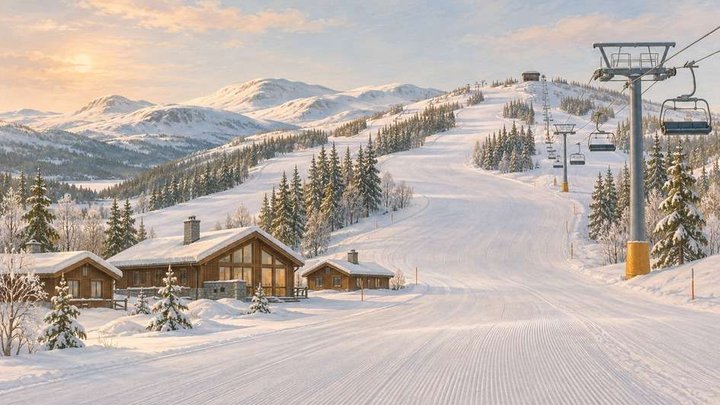
Myrkdalen, Gausta, Rauland or Haukelifjell: which Norwegian ski holiday suits you?
Choose Myrkdalen if you want downhill and cross-country skiing with Voss as your transport hub.
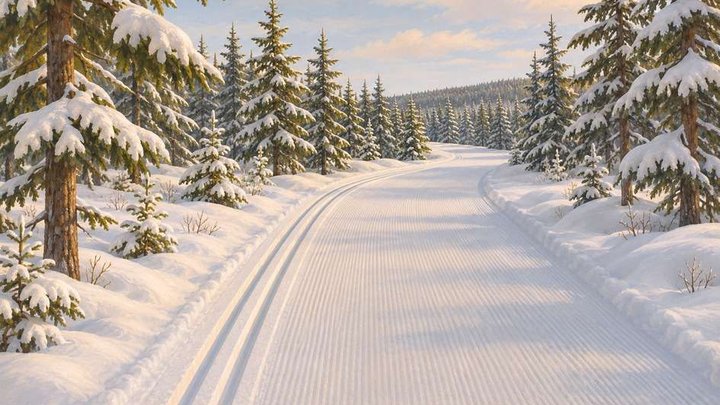
Cross-country skiing in Norway: trails, rental and your first day
Start with a short, groomed trail that matches your ability and rent equipment for the technique you intend to use.
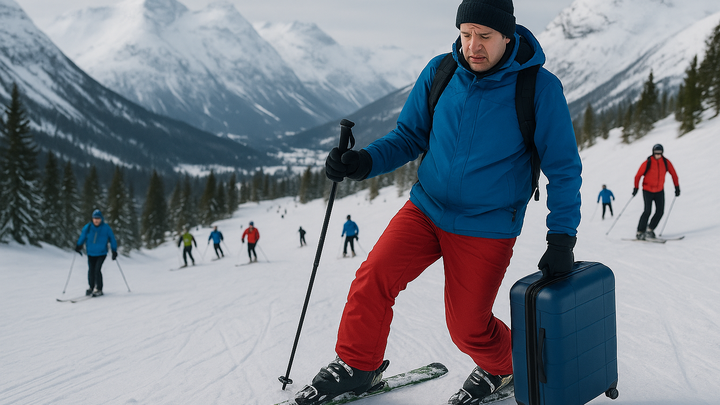
Which mistakes should you avoid on your first ski day in Norway?
Prepare for your first alpine ski day in Norway. Check ten mistakes involving equipment, lessons, pistes, passes, insurance and winter travel before skiing.
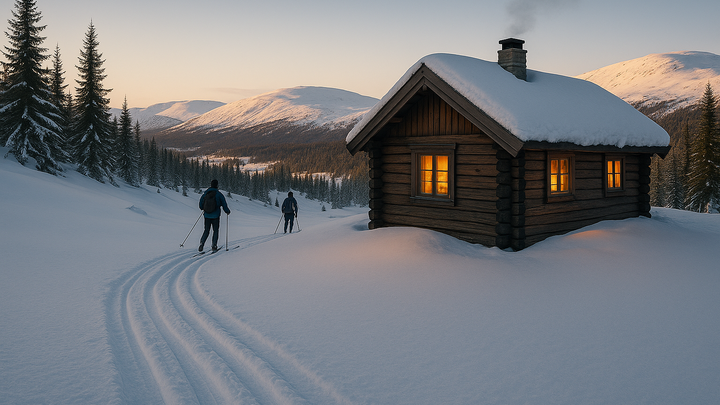
How do you choose a ski-in/ski-out cabin in Norway?
Check a Norway ski-in/ski-out cabin before winter travel: slope access, skill level, arrival, food, total costs and Christmas booking conditions.
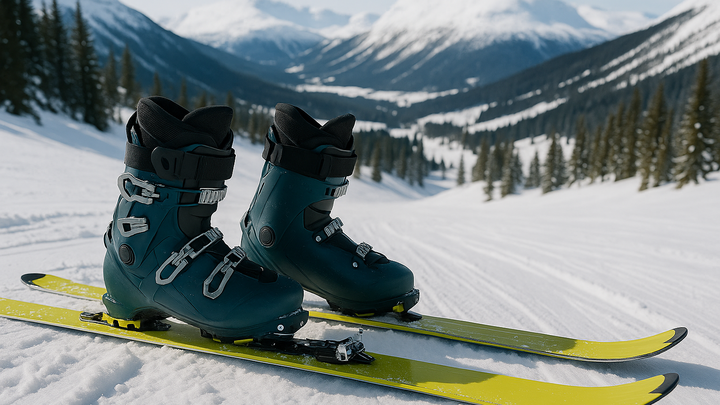
🎿⚙️ Test drive: innovative bindings for ski touring
An overview of new bindings and boots for 2025 on the slopes of Norway — the perfect choice for snow activities in Norway and backcountry enthusiasts.
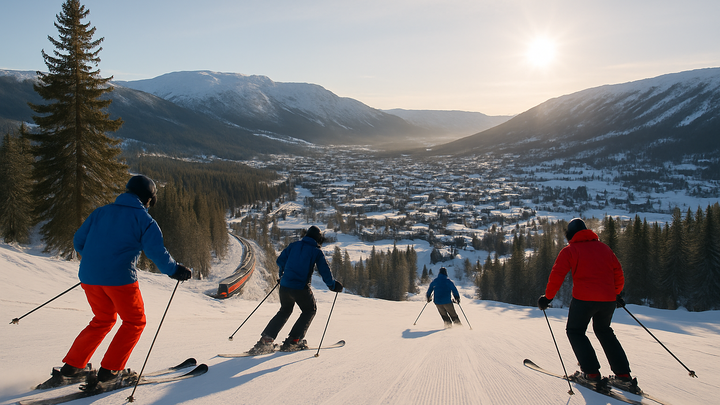
How can you plan a Geilo ski weekend without rushing?
Plan a ski weekend in Geilo: check trains, accommodation, rental and lift passes. Shape two days on snow around local travel and your journey home.
0 comments
Log in to leave a comment