



Cross-country skiing in Norway: trails, rental and your first day
Start with a short, groomed trail that matches your ability and rent equipment for the technique you intend to use. Classic skiing is a natural first choice for many beginners. Check snow conditions, terrain and the return journey before setting out, and learn to slow down and stop before choosing a longer route. A large network offers choices rather than an obligation to cover distance.
Which kind of cross-country skiing?
Classic skiing often follows two parallel tracks. Skate skiing uses a wider movement and needs a suitable groomed surface. Technique and equipment differ. When arranging rental, explain what you want to do instead of simply requesting skis.
Backcountry touring away from groomed trails is a different activity. It can require more knowledge of navigation, weather and terrain than a short circuit near a ski centre. A beginner does not need to start there to experience a Norwegian winter. Choose somewhere you can practise and return without complicated route decisions.
Downhill skiing experience may provide some familiar balance, but cross-country equipment behaves differently. Practise braking, turning and control in an appropriate area. General fitness does not automatically make a steep descent straightforward.
Choosing a trail
Consider both distance and elevation profile. A short route with steep hills can be more demanding than a somewhat longer, flatter circuit. Establish whether it finishes where it begins and whether you can turn back without completing a large loop.
Read the trail description and written conditions report. A map colour indicating recent grooming shows when a machine passed, but not necessarily whether the surface is hard, wet or difficult for a beginner now. Skiforeningen specifically stresses the value of combining map information with the written report.
A floodlit trail is not automatically easy. Lighting describes illumination rather than the hills or current snow. Check when lights operate and whether the route back to transport is lit. For a first session, daylight and straightforward access are often simpler.
| Situation | Useful starting point | Check first |
|---|---|---|
| Complete beginner | Short, open practice area with instruction | Braking, bindings and an easy way to finish |
| Some experience | Groomed circuit with moderate terrain | Elevation and conditions, not distance alone |
| Family with mixed abilities | Short loops around the same base | Meeting place, warm breaks and the least experienced person's pace |
| Afternoon outing | Familiar trail with confirmed lighting | Lighting hours and the entire return to transport |
| Longer mountain tour | Route suited to competence and weather | Navigation, natural hazards, reserve equipment and turning point |
Choose the smallest outing that offers a satisfying experience that day. Adding another short circuit is easy when energy and conditions allow. Removing a long descent already positioned between you and the return journey is much harder.
Nordmarka: cross-country skiing from Oslo
Nordmarka allows a city holiday to include skiing. Frognerseteren and Sognsvann are familiar starting areas normally accessible by metro. Check Ruter for actual services, closures and changes on the date you travel.
Do not select a through-route between two stations merely because the transport looks convenient. A short session near a suitable starting area may be better for the first attempt. Ask an instructor or rental provider to identify terrain matching your actual ability and the conditions.
Experienced skiers can consider more of the connections within the forest network. Elevation, time, opening of refreshment stops and transport at the finish still need checking. A cabin symbol on a map does not guarantee that lunch will be available when you arrive.
The separate Nordmarka by metro guide examines the Oslo arrangement in more detail. Use the Oslo directory to plan accommodation and other activities so that limited snow need not spoil a holiday day.
Hafjell and cross-country skiing in Øyerfjellet
Hafjell is often associated with downhill skiing, but Mosetertoppen is also a starting area for cross-country routes in Øyerfjellet. The official destination information describes shorter outings alongside access to a larger connected network. That network is not a single trail and need not be groomed everywhere simultaneously.
Establish the exact starting point. The top of the gondola, an accommodation property and a booked meeting point can be different places even when all are described as being at Hafjell. If using a lift or gondola, check tickets, equipment carriage and the last return.
Øyer Turskiløyper publishes route descriptions. Read them with current conditions and choose a specific short route before adding links towards other destinations. A connected network is not an invitation to ski between every area on your first day.
If part of the group skis downhill and others go cross-country, agree on a precise meeting place. Rental and instruction may begin at different locations. Lunch together works better when everyone knows the building and entrance being discussed.
Tromsø and other destinations
Tromsø Outdoor offers beginner instruction and describes rental categories for classic, skate and backcountry skis. These are different products. Choose the course or equipment for the intended outing and confirm date, age requirements and inclusions before booking.
A northern city does not automatically have better beginner conditions than a southern destination. Assess snow, wind, light and access to the practice area. A short guided session can complement a holiday otherwise focused on aurora or city activities.
The Tromsø directory can help with the rest of the stay. NorgeGuide rankings provide further local ideas. Confirm that selected places are open and work with transport after skiing.
Destinations such as Geilo, Trysil and the Voss area also have cross-country offerings. Choose by more than a familiar name. Compare access to appropriate terrain, teaching and rental for the actual days available.
What should a rental package include?
Establish whether skis, boots and poles are included together. Provide shoe size, height, weight and experience when requested. Equipment must suit both the skier and technique; a universal length rule cannot replace fitting.
Try boots with the socks you intend to use. You should be able to move your toes without unnecessary sliding of the foot. Ask for help if pressure or rubbing is noticeable indoors. Changing equipment before leaving is easier than dealing with it several kilometres later.
Have staff demonstrate opening and closing the bindings, then try both skis yourself. Ask what to do if snow collects in the mechanism. Clarify maintenance and what happens if the skis lose useful grip or snow starts sticking underneath.
Skin skis or other options that simplify grip can suit beginners. However, wax-free does not mean all equipment suits every condition without checks. Ask the rental provider to prepare the skis for the day and explain anything you may need to manage.
| Question for the rental provider | Why it matters | Confirm before leaving |
|---|---|---|
| Is the package classic or skate? | Technique and equipment need to match | Appropriate skis, boots and poles |
| Are the correct sizes available? | Fit affects control and comfort | Try equipment with your own socks |
| How do I use the bindings? | You need to manage the skis yourself | Open and close both bindings |
| Are the skis ready for today's snow? | Grip and glide vary with conditions | What to do if problems occur |
| When and where do I return them? | Return arrangements shape the outing | Deadline, location and any late-return procedure |
| What happens with insufficient snow? | The plan may need changing | Cancellation and amendment terms |
A lesson can simplify the first day
Request instruction for your actual level and clearly say if you have never skied. A beginner course may still have a particular duration, group structure and expectations. Ask about language and the meeting point, especially if collecting equipment elsewhere.
Useful first goals include controlled movement, getting up after a fall, slowing down and stopping. Practise in appropriate terrain with guidance. This is a better use of the initial session than measuring its value in kilometres.
A group with mixed experience can split for part of the day. The experienced skier need not become the instructor, and the beginner need not follow an uncomfortable pace. Agree where to reunite afterwards.
Before paying, ask what happens if the snow is unsuitable. A course may move location, change format or be cancelled under its terms. Understanding that arrangement gives you a practical alternative rather than an assumption that a fixed booking guarantees a skiable trail.
Clothing for movement and breaks
Skiing can make you warm while moving and cold when you stop. Wear adjustable layers and carry extra insulation for a break. Do not choose clothing solely from the temperature at the hotel door; consider wind and exposure along the route.
Protect a dry spare layer inside the bag. Use gloves or mittens suitable for holding poles and a hat or other ear protection. Bring food and drink with a margin, particularly when refreshment stops are uncertain.
A small backpack should fit without obstructing movement. Keep phone and map accessible, but do not let a screen replace attention to the trail. For a short introductory session, a manageable bag is more useful than a large load of equipment you do not understand.
The winter packing list covers the wider trip. Equipment for a longer mountain tour needs separate assessment from what is appropriate in a managed practice area.
Consideration on the trail
Follow local signs and any stated direction. Look ahead and control speed, particularly where the trail narrows or visibility becomes poor. Give others room without sudden movements.
When passing, calm communication is better than squeezing through. A skier approaching from behind should assess whether space exists. A beginner may not be able to move quickly, and shouting does not automatically resolve a difficult situation.
Stop somewhere visible outside the actual track rather than immediately below a descent or within a narrow junction. Gather the group where everyone can stand without blocking movement. Keep poles close as others pass.
Avoid walking in prepared classic tracks. If you need to remove skis, use a suitable side area or designated walking route without making deep holes in the skiing surface. Follow local rules for dogs and other activities. A trail is shared infrastructure even without a ticket barrier at its entrance.
Before choosing a longer route
Check weather, snow reports and navigation, and assess whether the group can manage the whole journey. DNT's Mountain Code remains relevant on skis. A line on a map does not establish safety under all winter conditions.
Do not treat tracks across a lake as proof of safe ice. Follow local information and choose an alternative when uncertain. Open mountain terrain or avalanche exposure requires more knowledge than experience on a groomed trail beside a town.
Set a clear turning point and a return plan that does not depend on everyone becoming faster later. If fatigue appears early, shorten the outing then. Waiting until you are far from the start makes the decision harder.
For a holiday combining activities, the one-week downhill and cross-country itinerary may provide ideas. Adapt transfers and pace; an inspiration itinerary is not a confirmed connection for every date.
A simple first ski day
Allow time for equipment and instruction before the outing itself. Try a short session in suitable terrain, pause and decide whether another small circuit appeals. The return should be clear and leave ample time before rental closes.
Afterwards, note what worked: boots, clothing, terrain and duration. That makes the following day easier to arrange. It is more useful than comparing distance with someone who has skied since childhood.
Keep one non-ski activity available for the afternoon. A first session may use more energy than expected, and it is easier to enjoy learning when the rest of the day does not require another demanding outing. A warm meal and time to dry equipment can be part of a good ski holiday.
To combine cross-country with downhill skiing, see the comparison of Myrkdalen, Gausta, Rauland and Haukelifjell.
Frequently asked questions
Yes, with appropriate terrain, equipment and instruction. Start short and learn control before selecting longer descents.
Classic is a common first choice. Skate skiing has different technique and equipment. Discuss your goal with the instructor.
Do not assume so. Some rental centres focus on alpine equipment. Confirm cross-country packages, sizes and availability beforehand.
No. Grooming describes preparation of the snow, not the steepness of the hills. Check elevation, description and current conditions.
It can often be arranged using public transport to a starting area. Check Ruter services, access to the snow and the return journey before choosing the route.
Mosetertoppen is an option, but establish the precise starting location and transport. Select a specific trail rather than treating all of Øyerfjellet as one outing.
Many trails do not require a normal downhill lift pass, but parking, transport, rental, lessons or specific facilities may cost money. Check the arrangement you intend to use.
Follow the trail operator's report and discuss alternatives with the rental provider or instructor. Do not attempt a route merely because it appears on the map.
Choose according to control and energy rather than a fixed distance. A short repeatable circuit gives more flexibility than a long route between two places.
An initial session with an instructor or experienced help gives a better foundation. When later skiing independently, choose familiar terrain and a simple return within your ability.
Sources
- Visit Norway: cross-country skiing for beginners
- Skiforeningen: how the conditions report works
- Skiforeningen: trail descriptions
- VisitOSLO: cross-country skiing
- DNT: public transport to ski trails
- Hafjell: cross-country skiing
- Øyer Turskiløyper: route descriptions
- Tromsø Outdoor: cross-country skiing and rental
- DNT: the Mountain Code
- Ruter: journey planning
Read also
Myrkdalen, Gausta, Rauland or Haukelifjell: which Norwegian ski holiday suits you?
Choose Myrkdalen if you want downhill and cross-country skiing with Voss as your transport hub.
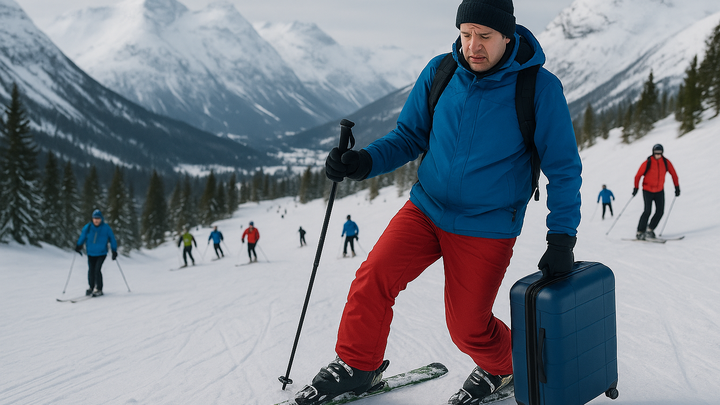
Which mistakes should you avoid on your first ski day in Norway?
Prepare for your first alpine ski day in Norway. Check ten mistakes involving equipment, lessons, pistes, passes, insurance and winter travel before skiing.
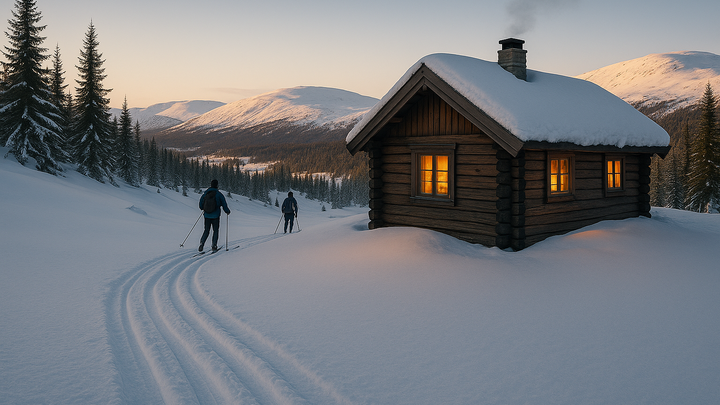
How do you choose a ski-in/ski-out cabin in Norway?
Check a Norway ski-in/ski-out cabin before winter travel: slope access, skill level, arrival, food, total costs and Christmas booking conditions.
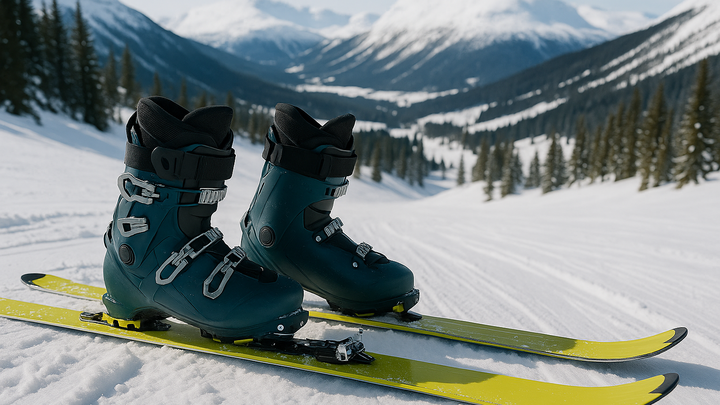
🎿⚙️ Test drive: innovative bindings for ski touring
An overview of new bindings and boots for 2025 on the slopes of Norway — the perfect choice for snow activities in Norway and backcountry enthusiasts.
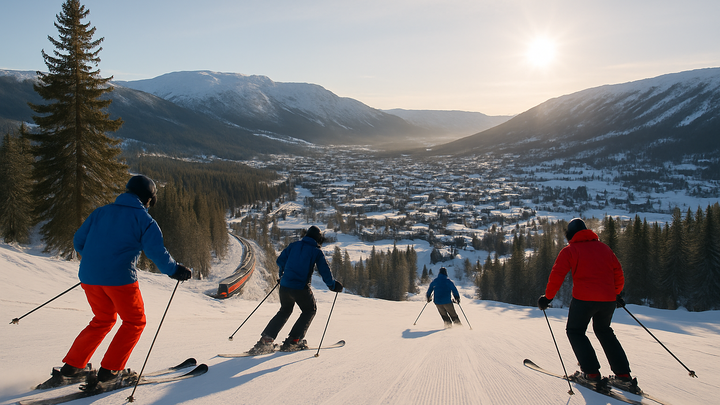
How can you plan a Geilo ski weekend without rushing?
Plan a ski weekend in Geilo: check trains, accommodation, rental and lift passes. Shape two days on snow around local travel and your journey home.
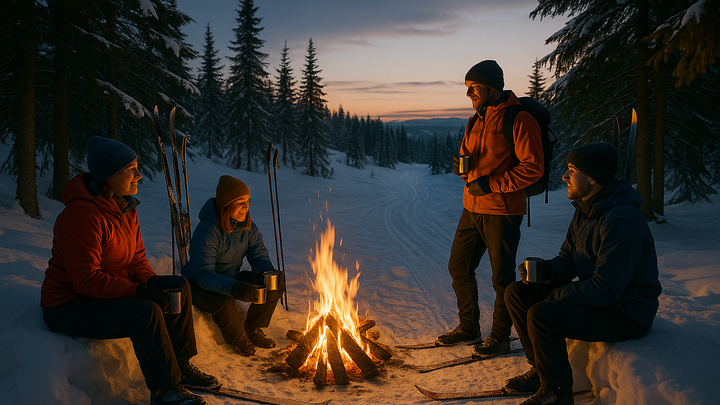
How can you try winter friluftsliv in Norway?
Try winter friluftsliv in Norway with a short walk or a suitable ski trail. Check weather and daylight, pack for the conditions and plan your return.
0 comments
Log in to leave a comment